

News • Diabetes
Biomarker for steatohepatitis
40 percent of people in the EU suffer from non-alcoholic steatohepatitis, a disease which is becoming increasingly more frequent as a result of diabetes and excess weight in an affluent society.
People have highly variable views on how much overdetection is acceptable in cancer screening, finds a UK survey. The authors say invitations for screening "should include clear information on the likelihood and consequences of overdetection to allow people to make an informed choice."

Many therapeutic cancer vaccines that are currently being developed are designed to direct the immune system against altered cancer-cell proteins.

Findings of a recent study say that environmental stress is a major factor for DNA damage and therefore the reason for accelerated tissue aging and probably cancer. Good sleep prevents this DNA damage.
Imec, Medtronic, Ghent University and their project partners today announced the launch of the CARDIS project. Together they will develop and validate an early-stage cardio vascular disease detection platform using integrated silicon photonics.

Women with metastatic breast cancer know they have a slim chance of long-term survival. The question is whether personalised therapy could extend their lives. Report: Cynthia E Keen

Last October the Association of the German Diagnostics Industry (VDGH) warned that the proposed EU regulation on in vitro diagnostic medical devices will increase production costs. Simultaneously with the Brussels proposal publication, the German Federal Ministry of Health presented a draft fees regulation that includes significant increases and several new fees, inter alia the minimum fee for…

Iron deficiency and resulting anaemia cause fatal comorbidities worldwide. Despite this, they are generally underestimated. Professor Lothar Thomas, specialist in laboratory medicine at Central Laboratory of the University Hospital of Frankfurt/Main, is calling for more information about the new laboratory parameters for diagnosis and monitoring of iron deficiency and iron substitution therapy.

We are seeing great priority shifts in China’s funding for R&D and manufacturing expansion. Even the agency responsible for selecting the recipients has changed, Jie Ren reports from the Beijing-based market analysis consultancy Whitney Research Inc. Report: John Brosky

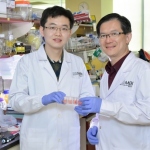
Gideon Ho, CEO and co-founder of Singapore-based HistoIndex is confident: ‘After a biopsy a patient waits in a hospital bed, but now, instead of waiting a couple days until doctors know how to treat this patient, we can deliver results while the patient is still in the hospital.’ Report: John Brosky

Early diagnosis and effective therapy of periprosthetic joint infections (PJI) remain a challenge for many physicians due to the complexity and heterogeneity of clinical symptoms. As individual solutions are needed, opportunities to discuss and exchange ideas are welcome, as clearly shown during the satellite symposium on the diagnosis and treatment of periprosthetic knee infections held at this…

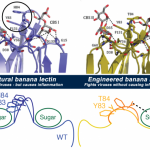
A new extracorporeal nanotech device addresses the root cause of sepsis by removing pathogens and endotoxins simultaneously from blood even before their identification – this genetically engineered mannose-binding lectin protein can also latch on to the Ebola virus... Report: Cynthia E Keen

It sounds amazingly simple: a structured medical Seldinger guidewire is inserted via a peripheral venous catheter to ‘fish’ for circulating tumour cells (CTC) in the blood of cancer patients. Report: Bettina Döbereiner

Founder, CEO and Chief Scientist of CNOGA Medical Ltd., Dr. Segman will be attending the MEDICA 2015 and available at the company‘s booth to explain the company’s revolutionary healthcare ecosystem vision and business strategy.
In the year of its 40th anniversary, Schiller proudly presents an algorithm which immediately and accurately localises coronary occlusions and provides early detection of STEMI. This algorithm is now integrated in the sophisticated touch ECG devices, the Cardovit MS line.

Infection, the tightest space and fast scanning are the three biggest things clinicians must tackle today in a point of care (POC) environment.

Accident and Emergency (A&E) teams play a key role in identifying patients with sepsis, followed by risk stratification for severe sepsis and septic shock, initiating resuscitation and treatment, and ensuring the correct onward management of patients identified with sepsis. Report: Mark Nicholls

Professor Tobias Welte MD, President of the 24th International Congress of the European Respiratory Society, gave EH some personal views on the symposium ‘New perspectives in the management of nosocomial pneumonia’. Interview: Ralf Mateblowski

In September 2015, Utrecht University and University Medical Center (UMC) Utrecht will begin offering a two-year Biofabrication research master’s program in partnership with three foreign universities.

Donor transplant rejection and cancer relapse have two things in common: early recognition is vital and monitoring is hugely challenged.

Doctor Véronique Mondain from Nice explains the ambitious project she and colleagues have put in place to help combat the rise of these resistant pathogens.

Personalised medicine is often equated with the development of drugs tailored to the genetic make-up of patients or cancers.

Founded in Germany 25 years ago, EKF Diagnostics’ PLC HQ is currently in Cardiff, Wales, where the firm is pursuing the development of a molecular assay for specific cancer types.

The University Medical Center in Utrecht (UMCU), The Netherlands, is in the process of creating a multidisciplinary centre of excellence, able to manage resources efficiently while delivering the highest level of patient care and clinical research.

We live in a connected world, a very different world than it was a decade ago, said Eric Topol MD. Mobile devices, wearable devices are driving a creative revolution, reducing costs of healthcare, increasing patient access to health information.