Article • Biobank
Frozen samples are scientists’ gold
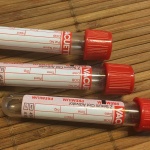
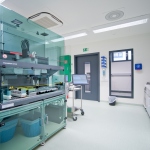
Our knowledge of causes and mechanisms of current and future diseases is on ice – not the perpetual ice of the polar caps but artificial ice. It is stored in biobanks at -80 to -160 °C.

Our knowledge of causes and mechanisms of current and future diseases is on ice – not the perpetual ice of the polar caps but artificial ice. It is stored in biobanks at -80 to -160 °C.

To treat or not to treat? That is the question researchers at the Department of Energy’s Lawrence Berkeley National Laboratory (Berkeley Lab) hope to answer with a new advance that could help doctors and their cancer patients decide if a particular therapy would be worth pursuing.

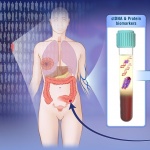
People with high levels of four biomarkers in the blood may be more likely to develop a stroke than people with low levels of the biomarkers, according to a study published in the August 24, 2016, online issue of Neurology®, the medical journal of the American Academy of Neurology.

It’s well known that cardiovascular disease (CVD) is the leading cause of death in the UK and worldwide. In the UK it is responsible for more than 73,000 deaths annually, affecting 1 in 6 men and 1 in 10 women. With the emergence of such startling statistics, this begs the question, why do routine cholesterol tests still rely on the basic biomarkers high density lipoprotein (HDL), low density…

As part of a national, joint research project in cooperation with Chronix Biomedical (San Jose, CA/USA/Göttingen/Germany), Professor Michael Oellerich MD is on new biomarkers in organ transplantation, aiming to develop personalised immunosuppression for patients. This also entails the development of molecular test procedures, among others for the early detection of rejection. The keyword here is…

When a woman is diagnosed with the earliest stage of breast cancer, how aggressive should her treatment be? Will the non-invasive cancer become invasive? Or is it a slow-growing variety that will likely never be harmful? Researchers at the University of Michigan developed a new technology that can identify aggressive forms of ductal carcinoma in situ, or stage 0 breast cancer, from non-aggressive…

Harnessing the potential of digital pathology is taking research into new and more efficient biomarkers to a new level. By combining strategic planning with the latest digital pathology technology, high quality tissue microarrays for biomarker research are being produced.

Accurate diagnosis of Parkinson's disease, and the related disease "dementia with Lewy bodies," can be difficult in the early stages of both conditions. While brain biopsies can be more accurate, the risk of complications has been considered too high.

MedUni Vienna researchers have published the results of a clarifying research study on the potential transmissibility of Alzheimer’s disease. Although the protein associated with Alzheimer’s disease, amyloid-β, might be transmissible under very unusual circumstances, this does not go along with a transmission of the clinical manifestation of Alzheimer’s disease. The affected persons…

Randox Quality Control are pleased to announce, as part of our ongoing growth and development, the launch of our new Acusera Calibration Verification range for Beckman and Roche Cobas instruments.

Personalised medicine relies strongly on biobanking in which medical data are collected on a large scale. Large scale refers both to the amount of data collected per patient as well as to the large number of patients included in the data collection. Although most attention in biobanking has been given to genetic data, proteomics, metabolomics and other –omics technologies, imaging is also being…

‘In imaging there is a trend towards quantification,’ said Professor Siegfried Trattnig, Medical Director of the High-Field MR Centre (HFMRC) at the Medical University Vienna, Austria. Whilst before, radiologists’ findings were subjective, qualitative results, based on signal intensity and grey scale, he pointed out. ‘Today imaging can draw on quantifiable and comparable parameters with…

Royal Philips and Banyan Biomarkers, Inc. today announced that they have entered into a multi-year joint development agreement to develop and commercialize a new handheld blood test to detect and evaluate mild traumatic brain injury (TBI) - also known as concussion - at the point of care. The new handheld test will be based on Philips’ Minicare I-20 system. The financial details of the…

Patients with multiple sclerosis often receive a "hit and miss" treatment when the disease breaks out. A blood analysis is now for the first time able to reveal which of the two most important first-line drugs is better suited for which patients.

More than five million Americans are living with Alzheimer's disease (AD). Of them, 400,000 also have Down syndrome. Both groups have similar looking brains with higher levels of the protein beta amyloid.

A combination of three proteins found at high levels in urine can accurately detect early-stage pancreatic cancer, UK researchers have found. The discovery could lead to a non-invasive, inexpensive test to screen people at high risk of developing the disease.

Genetically engineered fibers of the protein spidroin, which is the construction material for spider webs, has proven to be a perfect substrate for cultivating heart tissue cells, MIPT researchers found. They discuss their findings in an article that has recently come out in the journal PLOS ONE.

Curetis AG, a developer of next-level molecular diagnostic solutions, announced the successful completion of the clinical and analytical CE performance evaluation of its next-generation Unyvero P55 Pneumonia Application. The upgraded cartridge will launch at the 25th European Congress of Clinical Microbiology and Infectious Diseases (ECCMID, April 25 – 28, 2015 in Copenhagen, Denmark) and is…

Professor Hedvig Hricak MD PhD, Chair of the Department of Radiology at the Memorial Sloan-Kettering Cancer Centre, New York, and Professor of Radiology at Cornell University, Ithaca, New York, is a notable expert on crosssectional anatomic and molecular imaging, particularly of gynaecologic and prostate cancers. EH interviewed her about the potential and impact of more precise viewing of inter-…
40 percent of people in the EU suffer from non-alcoholic steatohepatitis, a disease which is becoming increasingly more frequent as a result of diabetes and excess weight in an affluent society.

Integration of imaging biomarkers in Europe is a challenge, and a number of issues must be overcome so that the full potential of quantitative imaging can be realised, renowned researchers will show in a session today at the ECR.

New imaging biomarkers are helping radiology to play a greater role in new drug developments.