MANAGEMENT
Accreditation and standards of Excellence in Europe

Accreditation and standards of Excellence in Europe

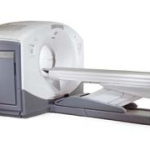
GE Healthcare's first Discovery PET/CT 600-series scanners are being installed in a number of leading clinics around the world. "This first set of installations is a big step forward in the diagnosis and monitoring of disease", said Terri Bresenham, newly appointed vice- president and general manager of GE Healthcare's global Molecular Imaging business.

The number of prostate cancer cases is increasing rapidly.

Big discussions are expected at the upcoming European Association of Urology (EAU) Congress in Stockholm* when urologist Dr Jochen Walz (right), of the Urological Department at the Institute Paoli-Calmettes, Marseilles, France, presents the forum: Imaging in Europe: Who, where, what, how many! and M F Coelho, of the European Society of Urological Imaging (ESUI) describes the Clinical utility of…

We asked some of our EH correspondents to report on measures taken in their countries to ensure that men are made more aware of this disease and whether screening services are provided for early prostate cancer detection.
To date, there is insufficient knowledge as to the cause of this disease, or how to prevent it. We asked some of our EH correspondents to report on measures taken in their countries to ensure that men are made more aware of this disease and whether screening services are provided for early prostate cancer detection.

17-21 March Stockholm Sweden

Current procedures are still imprecise and speculative; without a subsequent biopsy suspicious PSA levels, images and the results of palpation cannot be correctly evaluated. Thus there is an energetic pursuit to discover new imaging technologies. Dr Thilo Eggert at the Urological Clinic of the Ruhr University Bochum at the Marienhopital Herne, is among the investigators.
To date, there is insufficient knowledge as to the cause of this disease, or how to prevent it. We asked some of our EH correspondents to report on measures taken in their countries to ensure that men are made more aware of this disease and whether screening services are provided for early prostate cancer detection.
A potential biomarker for cancer has been identified in urine.

Cancer may well surpass cardiovascular diseases as the primary case of death in Europe by 2012. To prevent this from happening, cancer therapeutics have to shift in focus from the treatment of symptoms to offering a total cure, despite the complex, multifactorial nature of cancer indications.
The University of Pittsburgh Medical Center and GE Healthcare plan to establish over 25 local cancer centres in various countries within the coming decade.
An estimated 6.7 million people in developed countries were diagnosed with cancer in 2007. Delivering their care is no easy matter. Tele-oncology, the remote provision of oncology services, could not only reduce the costs of consultations for cancer departments, but also for patients. Kerry Heacox, of i.t. Communications, reports on the success of remote consultations in Labrador and Newfoundland.…

Early suspicions of cancer, either from clinical evidence or medical imaging, are often followed up on biopsy. However, the removal of tissue for histological analysis can be uncomfortable for patients.
Currently, early detection of Prostate Cancer depends on an abnormal digital rectal examination and an elevated prostate-specific-antigen (PSA) level requiring a prostate biopsy, often associated with anxiety, discomfort, complications, and heavy expenses. The prostate-cancer-gene-3 (PCA3) test is a new PCa gene-based marker carried out with a urine sample.

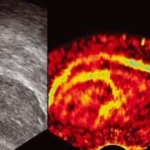
Martini Clinic, in the University Hospital Eppendorf (UKE) campus in Hamburg, is one of the world's major centres for nerve-sparing prostatectomy. The Martini physicians not only specialise in surgical intervention but are also at the cutting edge of diagnostics, being among the few in Germany to use sono-elastography, an innovative tool to detect prostate cancer. We asked Dr Georg Salomon (GS),…

Laparoscopy is playing an increasingly important role in urology and centres of excellence have been established to provide training in urological laparoscopic surgery.

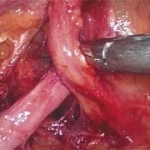
At the Medizin Innovativ 2008 congress (9-10 July, Nuremburg, Germany) Professor Jens-Uwe Stolzenburg MD (right), Director of the Urology Clinic and Polyclinic at the University Hospital Leipzig, talked about his experiences with the da Vinci robot. Used by surgeons at University Hospital Leipzig since last October 2007, they performed 40 operations in the first two months.

More than 4,500 cancer and radiotherapy specialists will gather in Göteborg, Sweden, this September for the 27th annual congress of ESTRO. ESTRO 27 is to be held between the 14th and 18th September 2008 at the Göteborg Convention Centre in Göteborg.

Experts on a US panel expressed their doubts on the beneficial quality of prostate cancer screenings for elderly men. Prostate cancer often grows very slowly and may not kill an older man before he suffers from another death reason, they pointed out.

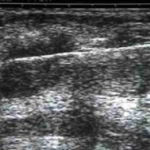
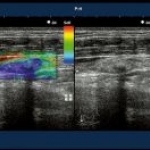
The idea of measuring tissue stiffness using ultrasound is nothing new. But lately the field sets a rapid pace. “Real-time, hand-held elastography is now a commercial reality,” asserts Jonathan Ophir from the University of Texas Medical School.

Proton therapy is very sophisticated way of destroying tumours. Now the Swedish Medical company RaySearch Laboratories has signed a consulting agreement with Uppsala University Hospital in Sweden to develop a treatment-planning system.

When tumours are situated in difficult locations, e.g. near the brain, lungs, prostate or abdomen, patients treated with conventional radiation equipment often suffer severe side effects, which include bleeding, chronic infections or organ function limitations.
Although incremental improvements in cancer care were unveiled at the 44th Annual Meeting of the American Society of Clinical Oncology held in Chicago, USA, — the world's largest gathering of cancer specialists, our correspondent Ian Mason writes that, even as new study results were being reported, their cost implications for stretched healthcare budgets were questioned.

Prostate cancer is the most frequent cancer in men with about 49,000 newly diagnosed cancers in Germany and 6,000 in the Netherlands, annually.