

News • MetaboliQs
Hyperpolarized nuclear MR: more precise diagnoses
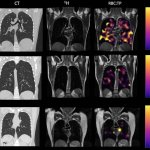
Hyperpolarized nuclear magnetic resonance enables major medical advances in molecular diagnostics, for example for cardiovascular diseases or cancer therapy.

Hyperpolarized nuclear magnetic resonance enables major medical advances in molecular diagnostics, for example for cardiovascular diseases or cancer therapy.

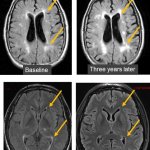
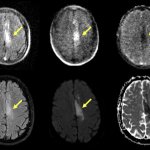
Cerebral white matter hyperintensities (WMH) can have a devastating impact on a patient’s life. Radiologists must learn to recognise these white spots in the brain and conventional imaging may just reveal the tip of the iceberg.

Advances in image post-processing and contrast-enhanced techniques have widened the scope of possibilities for MRI and ultrasound vascular imaging, experts showed in a dedicated course at the ECR Overture.

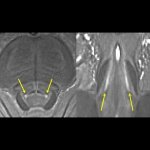
Ultra-powerful 7T MRI scanners could be used to help identify patients with Parkinson’s disease and similar conditions who are most likely to benefit from new treatments, say scientists.

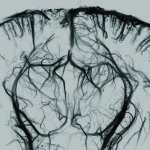
Two successive studies highlight advances in non-invasive 3D ultrasound imaging, making it possible to observe blood flow in real time in the heart and the brain.

Dr Christina Malamateniou spoke to The European Society for Magnetic Resonance in Medicine and Biology about the recent review she led to help make MRI brain scans more accessible to autistic people.

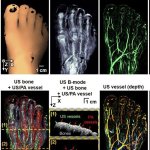
Recently, a Korean research team has developed a 3D foot imaging technique that vividly captures peripheral blood vessels, even thinner than 1 mm. It combines photoacoustic and ultrasound images.

Portable MRI machines detected ischemic strokes, or strokes caused by clotting, in 90% of patients scanned.

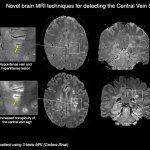
Cedars-Sinai physician-scientists are pioneering imaging techniques and investigating new biomarkers to improve multiple sclerosis (MS) diagnosis and treatment.

Patients with neurological conditions such as dementia or autism can prove especially challenging for radiographers. A session at the ECR Overture in March gave insights to a patient-focused approach.

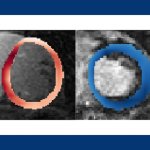
An algorithm built to assess scar patterns in patient heart tissue can predict potentially life-threatening arrhythmias more accurately than doctors can.

In the second year of the pandemic, JVCKenwood also draws a positive conclusion despite all difficulties. 'We were also able to welcome some highlights in 2021, both on the part of new monitors and new customers,' says Marcel Herrmann, Marketing Manager Medical Imaging. 'Nevertheless, the situation remains tense here and there.'

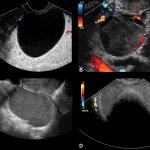
The appearance of ovarian lesions on ultrasound is an effective predictor of cancer risk that can help women avoid unnecessary surgery.

Synthetic correlated diffusion makes cancerous tissue glow in medical images could help doctors more accurately detect and track the progression of cancer over time.

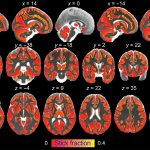
A mathematical analysis of data obtained with a MRI approach can identify brain cell damage in people at early stages of Alzheimer's.

Using a novel probe for functional magnetic resonance imaging, researchers have devised a way to monitor individual populations of neurons and reveal how they interact with each other.

To bridge new equipment installations in radiology, temporary high workloads, or long-term additional capacity, Canon Medical provides mobile solutions according to customers’ needs and wishes.

Canon Medical Systems Corporation has entered into an agreement to acquire Nordisk Røntgen Teknik, with the acquisition being completed following the necessary approval procedures.

A biocompatible ultrasound transducer chip could be a more effective way to harness the technology for biomedical applications.

Scientists have developed a neutron-based method to study brain slices and gain a better understanding of neurological diseases.

Cleveland Clinic has launched a landmark study to better understand why millions of people around the world suffer from brain diseases, with the goal of pinpointing disease biomarkers early, well before clinical symptoms present themselves.

When a patient suffers a stroke, speed in treatment can mean the difference between successful recovery, permanent disability, or death. For Christopher Hess, success in stroke diagnosis is a question of workflow and efficient care delivery.

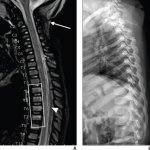
According to new research, whole-spine MRI commonly demonstrates isolated thoracolumbar injuries in children with suspected abusive head trauma.

Researchers have studied the Spaceflight-Associated Neuro-Ocular Syndrome (SANS). For that they compared brain scans before and after spaceflight.

Doctors work on initiatives to cut down the steps that need to happen between the time a stroke patient is wheeled through the ambulance bay until treatment can begin.