


United Kingdom
Brenda Marsh reports on the country's flourishing and expanding breast screening programme

Brenda Marsh reports on the country's flourishing and expanding breast screening programme

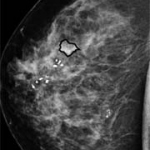
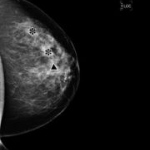
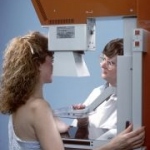
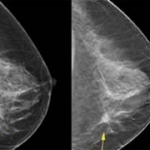
It is hoped that a new technology, digital breast tomosynthesis or 3-D mammography, will overcome three drawbacks of traditional screening mammography: discomfort with breast compression, cancer concealed within overlapping tissue and the limited number of views.

Change is occurring at a rapid rate in cancer care - in many European countries cancer services are now being provided primarily in an ambulatory or outpatient setting with subsequent change of resources. Karen Luker, Professor of Community Nursing at the Universtiy of Manchester, UK, thinks that specialist nurses should not only refresh their knowledge of existing and new therapies. As the face…

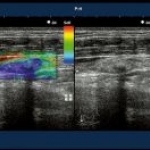
eSie Touch Elasticity Imaging, a new method in ultrasound, demonstrated by Siemens Medical Solutions in March at the European Congress of Radiology, is an adjunct to regular breast ultrasound examinations, and may provide a clinically relevant differentiation of benign and malignant tissue. Several studies have shown promising results, and suggest the method could reduce the number of unnecessary…

About 27,000 healthcare professionals from over 100 countries attended RSNA 2006. These included over 5,000 European clinicians. In addition, over 28,000 people from non-US countries manned about 750 exhibition stands.

For women (or friends and relatives of women with breast cancer),

"Come and experience the great Canadian Prairie Hospitality!" say the organisers of the 5th World Conference on Breast Cancer (WCBC), to be held in June next year in Winnipeg, Manitoba - the "cultural cradle of the nation, gateway to the Canadian west, and a meeting place for over 6,000 years," the WCBC Foundation points out.

Despite efforts in recent years to reduce the number of deaths caused by breast cancer it is still the most common cancer occurring in women. Approx. 47,500 new cases of the disease appear in Germany per year, a situation comparable with other European countries and with the USA. In 2004 alone, 17,592 women died from the sequela of a breast carcinoma (Federal Statistics Office statistics on…

Australia - The Australian Institute of Health and Welfare has reported a 26% decrease in the breast cancer mortality rate among women aged 50-69 years between 1990 and 2004.

Breast cancer is the most frequently occurring malignant tumour worldwide. Of the more than one million newly diagnosed cases each year, the incidence among women in Germany alone is more than 50,000. That means that every tenth woman is stricken by breast cancer at some point in her life. It numbers among the most frequent causes of death by cancer 1,2,3 , with the average age of onset being…

In molecular medicine - and particularly in oncology - Siemens Medical Solutions is concentrating on further development of the FDG (fluorodeoxyglucose) biomarker to improve identification of certain tumours.
USA - A steep drop in breast cancer rates between 2002 and 2003 correlates with the decline in hormone therapy use, according to research froma the American Cancer Society (ACS).

USA - Web-based mail and phone reminder software significantly increased the percentage of patients who received preventive health services, according to a study led by Rajeev Chaudhry MBBS, at the Mayo Clinic, published in May in The Archives of Internal Medicine.

Congress President Professor Juergen Dunst MD praises major advances and multidisciplinary efforts, and outlines future hopes for breast cancer patients

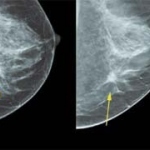
Rapid diagnosis and treatment are the keys to breast cancer survival - and an elastogram mammography continues to play a central role in breast cancer detection according to research presented recently in Chicago, at the 43rd Annual Meeting of the American Society of Clinical Oncology (ASCO), writes Ian Mason.

This year´s congress of the German Society of Senology (June 21.-23. in Lübeck, Germany) will deal with latest developments in the diagnosis and therapy of breast cancer like screening and early detection methods or new diagnostic modalities.

By Henning von Eicke of Roche Diagnostics GmbH

`ELIOT means that single-fraction radiation of 21 Gy is delivered directly to the tumour bed during a surgical intervention, to a depth of about 3 cm,´ Professor Prott explained.

20% of all cancers diagnosed annually among Lithuanian women is cancer of the breast. Screening programms should reduce this number.

Targeted medication and gentle surgical procedures are the pillars of modern breast cancer therapy, according to participants at this years German Congress of Senology.

Carrying a mutated BRIP1 gene doubles the risk of breast cancer — by aged 70 these women's risk rises from 1-in-12 to 1-in-6.

AstraZeneca has been collaborating with researchers who detected a potential Aurora B inhibitor.


An unparalleled legal challenge has been underway in the EU regarding the number of human gene patents held by US-based corporation Myriad Genetics.

Currently, five years of treatment with tamoxifen is considered the 'gold-standard' treatment for postmenopausal women with breast cancer. This drug blocks oestrogen, which can help fuel the growth of tumours in some cases.