


State governments unite to lower mortality
Australia - The Australian Institute of Health and Welfare has reported a 26% decrease in the breast cancer mortality rate among women aged 50-69 years between 1990 and 2004.

Australia - The Australian Institute of Health and Welfare has reported a 26% decrease in the breast cancer mortality rate among women aged 50-69 years between 1990 and 2004.

Breast cancer is the most frequently occurring malignant tumour worldwide. Of the more than one million newly diagnosed cases each year, the incidence among women in Germany alone is more than 50,000. That means that every tenth woman is stricken by breast cancer at some point in her life. It numbers among the most frequent causes of death by cancer 1,2,3 , with the average age of onset being…

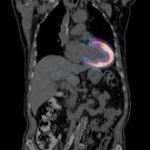
In molecular medicine - and particularly in oncology - Siemens Medical Solutions is concentrating on further development of the FDG (fluorodeoxyglucose) biomarker to improve identification of certain tumours.

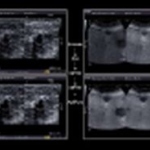
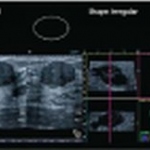
Rapid diagnosis and treatment are the keys to breast cancer survival - and an elastogram mammography continues to play a central role in breast cancer detection according to research presented recently in Chicago, at the 43rd Annual Meeting of the American Society of Clinical Oncology (ASCO), writes Ian Mason.

USA - Web-based mail and phone reminder software significantly increased the percentage of patients who received preventive health services, according to a study led by Rajeev Chaudhry MBBS, at the Mayo Clinic, published in May in The Archives of Internal Medicine.
USA - A steep drop in breast cancer rates between 2002 and 2003 correlates with the decline in hormone therapy use, according to research froma the American Cancer Society (ACS).

Congress President Professor Juergen Dunst MD praises major advances and multidisciplinary efforts, and outlines future hopes for breast cancer patients

This year´s congress of the German Society of Senology (June 21.-23. in Lübeck, Germany) will deal with latest developments in the diagnosis and therapy of breast cancer like screening and early detection methods or new diagnostic modalities.

By Henning von Eicke of Roche Diagnostics GmbH

`ELIOT means that single-fraction radiation of 21 Gy is delivered directly to the tumour bed during a surgical intervention, to a depth of about 3 cm,´ Professor Prott explained.

20% of all cancers diagnosed annually among Lithuanian women is cancer of the breast. Screening programms should reduce this number.

Targeted medication and gentle surgical procedures are the pillars of modern breast cancer therapy, according to participants at this years German Congress of Senology.

Carrying a mutated BRIP1 gene doubles the risk of breast cancer — by aged 70 these women's risk rises from 1-in-12 to 1-in-6.

AstraZeneca has been collaborating with researchers who detected a potential Aurora B inhibitor.


An unparalleled legal challenge has been underway in the EU regarding the number of human gene patents held by US-based corporation Myriad Genetics.

Currently, five years of treatment with tamoxifen is considered the 'gold-standard' treatment for postmenopausal women with breast cancer. This drug blocks oestrogen, which can help fuel the growth of tumours in some cases.

USA - Engineers are developing a tiny wireless device - the size of a rice grain - to be implanted in tumours to indicate the precise radiation dose received and to locate the exact position of tumours during treatment.

The new Emscher-Lippe Breast Care Centre, based in the Marienhospital in Gelsenkirchen, but serving six hospitals* and four private practices, was established following a directive issued by Germany's North Rhine-Westphalia regional government.
Although X-ray mammography can detect small cancers before they have spread. However, because abnormalities can only be identified non-specifically, percutaneous or surgical breast biopsy must follow - but less than 20% of women recalled for biopsies have cancer.

Interviewed by Daniela Zimmermann, Executive Director of EH, Jean Hooks, General Manager, Global Mammography at GE Healthcare, examined reasons behind the slow uptake of digital technology in some European countries, comparing this with its early adoption in the USA

Financed by the Ministry of Health, nine regional screening organisations arrange and implement the Dutch national breast cancer screening programme, in which, every two years, all women from 50-75 years of age are invited for a free mammogram at one of the 62 screening points, of which 56 are mobile vans.
Austria is the only 'old' EU Member State that has not implemented a national breast cancer screening programme.

Germany's Federal Committee of Physicians and Statutory Health Insurance Funds set up three model projects, based in Bremen, Wiesbaden and Weser-Ems, to trial the third edition of the European guidelines on healthcare within the German system and to develop the necessary organisational structures to make these work.
The UK - In the 1990s, the nationally co-ordinated NHS Breast Screening Programme was already saving lives - a 21% fall in breast cancer mortality over the last decade and, with the cervical screening programme, this was viewed as among the best cancer screening programmes in the world. However, in that period, the country's cancer services, as a whole did not match up to those of other European…