

Chronic diseases

Photo

News • Place matters

Obesity and the "ecology of disadvantage"

Nearly 70 percent of the U.S. adult population meets the definition of overweight or obese, but a new study by University of Arkansas researchers shows the problem isn’t randomly distributed across the country. Instead, obesity is concentrated in areas with social and demographic factors that create what researchers term an “ecology of disadvantage.”

Photo

Sponsored • Artificial lungs

Easing ARDS and AECOPD

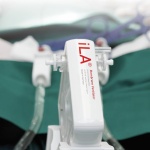
Innovative ‘artificial lungs’, which help the patients to breathe, offer less traumatic treatment for severe diseases such as acute respiratory distress syndrome (ARDS) or chronic obstructive pulmonary disease (COPD/AECOPD). Respiratory failure is one of the most frequent causes of ICU admission. It may occur inter alia in patients with ARDS, a dangerous condition when the respiratory system…

Photo

News • Pressure monitoring

This biodegradable sensor disappears after its job is done

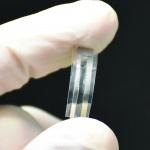
Engineers at the University of Connecticut (UConn) have created a biodegradable pressure sensor that could help doctors monitor chronic lung disease, swelling of the brain, and other medical conditions before dissolving harmlessly in a patient’s body. The UConn research is featured in the current online issue of the Proceedings of the National Academy of Sciences. The small, flexible sensor is…

Photo

News • Survival rates

Grim outlook for chronic ischaemic heart disease patients

Nearly a quarter of patients with chronic ischaemic cardiovascular disease are dead or hospitalised within six months, reports a European Society of Cardiology (ESC) study published in the European Journal of Preventive Cardiology. “Coronary artery disease is the leading cause of death worldwide yet some patients appear to get lost in the system after their initial visit to a hospital or…

Photo

News • Experimental medicine

Loophole in chronic lymphocytic leukemia treatment detected

A team of researchers in Italy and Austria has determined that a drug approved to treat chronic lymphocytic leukemia (CLL) may be less effective in a particular subset of patients. The study, published in the Journal of Experimental Medicine, reveals that ibrutinib has a diminished capacity to delocalize and kill tumor cells expressing an adhesive protein called CD49d, but combining ibrutinib…

Photo

News • Experts' discussion

How to tackle parasitic worms

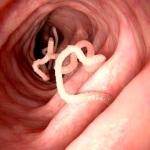
Parasitic worm infections – or helminthiases – affect more than one billion people and have a considerable public health impact in many parts of the world. In December 2017, international experts gather in Basel, Switzerland, to discuss new strategies to control and eliminate parasitic worms. The scientific symposium is hosted by the Swiss Tropical and Public Health Institute. Approximately…

Photo

News • Clinical value

Kidney disease diagnosis made easier through DNA sequencing

DNA sequencing could soon become part of the routine diagnostic workup for patients with chronic kidney disease, suggests a new study from Columbia University Medical Center. The researchers found that DNA sequencing could identify the genetic cause of the disease and influence treatment for many patients with chronic kidney disease.

Photo

News • Sertraline usage

Standard antidepressant may be ineffective with chronic kidney disease patients

A clinical trial involving hundreds of participants has shown that one of the most frequently prescribed antidepressants may not benefit millions of patients who also have chronic kidney disease (CKD). “These results provide evidence that could change clinical practice,” said Dr. Susan Hedayati, Professor of Internal Medicine at UT Southwestern and first author of the study, which was…

Photo

News • Side effects

Do common acid reflux medications promote chronic liver disease?

Approximately 10 percent of the general population take a proton pump inhibitor (PPI) drug to block stomach acid secretions and relieve symptoms of frequent heartburn, acid reflux and gastroesophageal reflux disease. That percentage can be as much as seven times higher for people with chronic liver disease. Researchers at University of California San Diego School of Medicine have discovered…

Photo

News • Smartphone app

Unlocking the mystery of multiple sclerosis with tech

What if a single smartphone app could help solve the enigma of multiple sclerosis (MS) and move new treatments ahead at lightning speed? That was the bold idea that led Daniel Pelletier, MD, professor of neurology at the Keck School of Medicine of USC and division chief of the Neuro-Immunology and USC Multiple Sclerosis Center, to develop myMS, the world’s first smartphone app capable of…

Photo

News • Autism

Big Data techniques find biomarkers for Autism Spectrum Disorder (ASD)

An algorithm based on levels of metabolites found in a blood sample can accurately predict whether a child is on the Autism spectrum of disorder (ASD), based upon a recent study. The algorithm, developed by researchers at Rensselaer Polytechnic Institute, is the first physiological test for autism and opens the door to earlier diagnosis and potential future development of therapeutics.

Photo

News • Stress Research

Chronic stress neurons discovered

A novel population of neurons that are only activated following chronic stress is identified. Today, stress is part of everyday life. However, when stress is chronic it can lead to distressing illnesses such as depression and anxiety disorders. In their latest study, scientists at the Max Planck Institute of Psychiatry in Munich have identified a population of neurons in the hypothalamus that…

Photo

News • Study

First digitally enhanced Randomised Controlled Trial

North West EHealth announced that its unique Linked Database System technology was used to deliver the world’s first digitally enhanced Randomised Controlled Trial (RCT) in the ground-breaking Salford Lung Study* (SLS). The study relied on bespoke software, developed by NorthWest EHealth and securely hosted within the NHS network, that integrated the electronic medical records of consented…

Photo

News • Infectiology

Immune factor allows viral infections to become chronic

Many viral diseases tend to become chronic – including infections with the HI virus. In persons affected, the immune response is not sufficient to eliminate the virus permanently. Scientists at the University of Bonn have now identified an immune factor which is partially responsible for this. Their results give rise to hopes for new therapeutic approaches. The work, which included researchers…

Photo

Article • Procurement

Fundus screening enters shopping centres

Telemedicine is taking strides throughout Europe. While in Germany telemedicine projects appear to be off to a slow start (see the electronic health card), in other countries progress is going full throttle. In September, at the German-Dutch symposium ‘Using optimisation potential: Telemedicine and procurement management’ a number of Dutch approaches were presented. Report: Sylvia Schulz

7 show more articles
Subscribe to Newsletter