
News • Rehabilitation medicine
TBI: study reveals lasting impairments
People who suffer from a traumatic brain injury (TBI) often have lasting difficulties returning to work and may need long-term, multidisciplinary care, a new study shows.



People who suffer from a traumatic brain injury (TBI) often have lasting difficulties returning to work and may need long-term, multidisciplinary care, a new study shows.

As Emergency Departments (EDs) get ever busier, focus has fallen on the role artificial Intelligence (AI) can play in supporting patients and clinicians in delivering urgent care. The topic took centre stage in a session looking at the ethics of AI in the ED at the annual congress of the European Society of Emergency Medicine (EUSEM) in Copenhagen.

Giving separated blood plasma improves outcomes in patients with traumatic brain injury (TBI) or shock, whereas unseparated or “whole” blood may be best for patients with traumatic bleeding.

Traumatic brain injury (TBI) increases dementia risk, but the reasons are poorly understood. Now, a study explores the role of the brain's blood vessels as drivers of Alzheimer's disease.
Traumatic brain injury can lead to post-traumatic epilepsy (PTE). Researchers focus on a specific brain receptor to better understand and prevent PTE in at-risk patients.
A traumatic brain injury (TBI) affects children differently than adults, a new study shows. The researchers found that paediatric patients are more prone to damage of the smallest brain vessels.
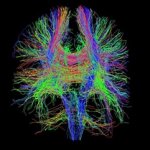
Just a concussion? Head injury can lead to persistent symptoms, yet CT scans often fail to identify these cases. Researchers explore the potential of diffusion tensor imaging for better diagnostics.
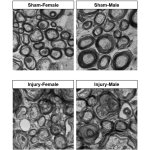
Structural differences in male and female brains might explain why women are more prone to concussions and experience longer recovery from the injury than men, according to a new preclinical study.
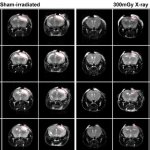
Neuroscientists recently discovered that low-dose ionizing radiation (LDIR) can reduce lesion size and reverse motor deficits in TBI and ischemic stroke mice, demonstrating its therapeutic potential.
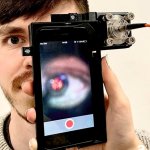
Researchers from the University of Birmingham have designed and developed a novel diagnostic device to detect traumatic brain injury (TBI) by shining a safe laser into the eye.
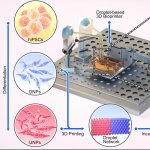
University of Oxford researchers demonstrated that neural cells can be 3D printed to mimic the architecture of the cerebral cortex. This could be used in patients after brain injuries.
Researchers have found a possible explanation for why some patients recover much more poorly from brain injury if they later become infected.

At a cost of $38 billion a year, an estimated 5.3 million people are living with a permanent disability related to traumatic brain injury (TBI) in the United States today, according to the Centers for Disease Control and Prevention. The physical, mental and financial toll of a TBI can be enormous, but new research from the University of Georgia provides promise. In a new study, researchers at…
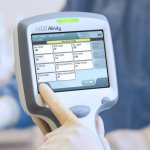
Abbott has received 510(k) clearance for the first rapid handheld traumatic brain injury (TBI) blood test, which will help clinicians assess individuals with suspected mild TBIs, including concussions. The test will run on Abbott's handheld i-STAT Alinity platform. Tests results are available within 15 minutes after plasma is placed in the test cartridge. TBIs, including concussions, are an…
In the past few decades, researchers have identified biological pathways leading to neurodegenerative diseases and developed promising molecular agents to target them. However, the translation of these findings into clinically approved treatments has progressed at a much slower rate, in part because of the challenges scientists face in delivering therapeutics across the blood-brain barrier (BBB)…
Just a few doses of an experimental drug can reverse age-related declines in memory and mental flexibility in mice, according to a new study by UC San Francisco scientists. The drug, called ISRIB, has already been shown in laboratory studies to restore memory function months after traumatic brain injury (TBI), reverse cognitive impairments in Down Syndrome, prevent noise-related hearing loss,…

You don’t need to stand up to stand out. A few decades ago, a little boy believed he could tend to patients in spite of being in a wheelchair – and he did. During the EANS 2020 virtual meeting, Prof. Dr. Thomas Kapapa explained how he breaks barriers and helps promote diversity every day in his clinical practice in Germany and Malawi.
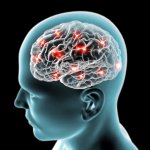
A method for detecting traumatic brain injury at the point of care has been developed by scientists at the University of Birmingham. Using chemical biomarkers released by the brain immediately after a head injury occurs, researchers are able to pinpoint when patients need urgent medical attention. This saves time in delivering vital treatment and avoids patients undergoing unnecessary tests where…

Researchers have identified a new mechanism by which inflammation can spread throughout the brain after injury. This mechanism may explain the widespread and long-lasting inflammation that occurs after traumatic brain injury, and may play a role in other neurodegenerative diseases.
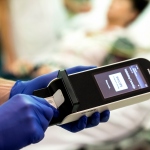
Royal Philips and Banyan Biomarkers, Inc. today announced that they have entered into a multi-year joint development agreement to develop and commercialize a new handheld blood test to detect and evaluate mild traumatic brain injury (TBI) - also known as concussion - at the point of care. The new handheld test will be based on Philips’ Minicare I-20 system. The financial details of the…

Traumatic brain injury (TBI) is the main cause of accidental death in Europe and all highly developed countries, accounting for around 40% of all accidental mortality.

Traumatic brain injury (TBI) is one of the world’s biggest public health problems. In the USA, for example, about 1.7 million people sustain TBI every year, costing healthcare $76.5 billion. Yet, the public knows little of the significance of TBI and also it once received the nickname ‘silent epidemic’ by the American Centres for Disease Control and Prevention (CDC).

