


'More knowledge — less dose'
X-rays are made up of high-energy photons. This type of radiation follows the physical laws of electromagnetic waves as well as of particles.

X-rays are made up of high-energy photons. This type of radiation follows the physical laws of electromagnetic waves as well as of particles.

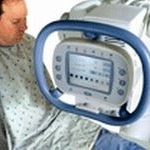
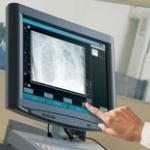
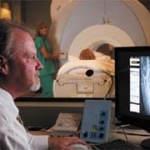
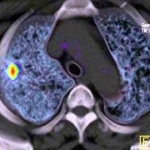
Although there should always be concern about radiation in a facility that uses X-ray to image patients, that concern is perhaps not as vocal as for CT or interventional radiology, according to physicist Jacqueline Gallet, Global Manager of Clinical Studies at Carestream Health.


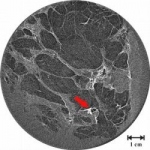
Fighting breast cancer is always a race against time - early detection of breast carcinoma an essential condition for cure. Now Scientists from Finland, Germany and France developed a promising new CT technique with high resolution and contrast that visualises tumours that are even diffusely growing or those in dense breasts.
Catheter ablation is still associated with a substantial amount of complications, and more failure then sometimes reported. Perforation with catheters is especially important in atrial fibrillation. Robotic navigation could reduce these complications.

Carestream Health's engineers created the first wireless DR detector which is not bigger than a standard cassette and can therefore withstand the challenging environment of a modern x-ray department. The rugged detector, case, and internal components are made to produce DR images of high quality under real-life x-ray department conditions.

A new type of super-resolution X-ray microscope invented by researchers from Paul Scherrer Institut (PSI) and Ecole Polytechnique Fédérale de Lausanne (EPFL) gives pin sharped insights into the composition of semiconductor devices and cellular structures.

Drawing together radiologists from all of Russia is a challenge - even more surprising is meeting the president of the European Congress of Radiology (ECR) and other well-known radiologists from the rest of Europe writes Meike Lerner, of European Hospital, who was at the 2nd National Russian Radiology Congress held in Moscow this May, to report on the hot topics in radiology over the eastern…

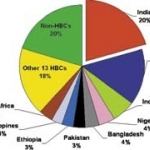
Every three minutes, two people living in India die of tuberculosis. This equates to approximately 370,000 deaths each year, and a staggering economic toll: an estimated US$300 million in direct costs and US$3 billion in indirect costs.

In recent years, intra-operative 3-D C-arm imaging has revolutionised orthopaedics and trauma surgery. In particular using the images created during an operation, C-arms with 3-D capability can produce 3-D views of a quality effectively on a par with those of a CT scan.

Before discussing a possible connection between gadolinium and nephrogenic systemic fibrosis (NSF), Dr Herborn offered a brief background:
From 2000 to 2007, Israeli hospitals have treated the victims of 148 terrorist attacks.

Shanghai, China — Royal Philips Electronics and Ascent Profit, a leading Chinese medical equipment wholesaler, today announced that they have signed a €25 million contract to bring digital radiography systems to hospitals in China.

The implementation of an integrated HIS/RIS into a single IT platform facilitates data sharing among the more than 1,300 physicians and support staff who work at East Tallinn Central Hospital (ETCH) in Estonia. ETCH, a municipally owned healthcare delivery network, was formed in 2001 with the merger of four hospitals.

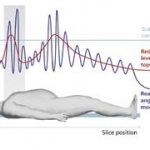
A new volumetric X-ray application, showcased at the European Congress of Radiology in Vienna, Austria, provides physicians with multiple high-resolution slice images of the human anatomy, including the chest, abdomen, extemities and spine.

Agfa HealthCare presents its entire Computed Radiography (CR) solutions range at ECR 2008 in Vienna. From desktop and compact solutions to groundbreaking Computed Radiography systems that fill the gap between CR and DR (Direct Radiography), the company is able to offer its customers the right solution for every facility of any size.

The 2008 ECR promises to be international, controversial, inspiring, as well as a meeting in which new insights for inter-professional relationships and working practices are sought. The programme is impressive indeed.

Andrea Martini and Joerg Larsen, of the Institute for Roentgendiagnostics, Braunschweig Teaching Hospitals, Germany, discuss nanotechnology, hybrid imaging and the quest for a personalised medicine.

A multi-institutional study recently compared whether positron emission tomography (PET) or computed tomography (CT) performs more efficient in the characterization of solitary lung nodules (SPNs). Previously performed studies were either limited by small sample sizes or carried out more than a decade ago with outdated technology and methods.

By Professor Robert D Speller, Head of the Radiation Physics Group, University College London, and Dr Alessandro Olivo, of the Medical Physics & Bioengineering Dept. University College London

Apart from spending a year at Johns Hopkins University Hospital, Baltimore, USA, the professor has never worked anywhere other than at the Radiology Department at the University Hospital of Cattinara Hospital, Trieste, of which she is Chairman. Daniela Zimmermann asked her about what women can achieve in this field, as well as the professor's own multifarious roles and research activities.

A study recently published in the online version of the American Journal of Roentgenology evaluated the clinical value of Computer-Aided Detection (CAD) software in the interpretation of mammograms. In the course of the study, the recall rate, sensitivity, positive predictive value, and cancer detection rate for single reading with CAD, versus double reading without CAD, were investigated.

In the course of the `Interreg III´ Italian-Albanian collaborative project, which is financed by the European Union and the Italian Apulia region, an Albanian screening programme for breast and cervical tumours will be established. The initiative aims at improving the public health system of Albania, regarding the training and the technical equipment needed for such screening projects.

An innovative method to produce dark-field X-ray images was recently presented by researchers from the Paul Scherrer Institute (PSI) and the EPFL in Switzerland. Dark-field images offer more details than ordinary X-ray radiographs, allowing to diagnose early stage breast cancer, osteoporosis or Alzheimer's disease.
Stereoscopic digital mammography, a new diagnostic technique capable of producing three-dimensional (3-D) in-depth views of breast tissue, could significantly reduce the number of women who are recalled for additional tests following routine screening mammography.

Siemens Medical Solutions, which launched Ysio wi-D - its first digital X-ray unit equipped with a wireless detector - at Medica, said it combines all the advantages of digital X-ray imaging with the flexibility of an X-ray film cassette.