News • JIB/ANCBH 2016
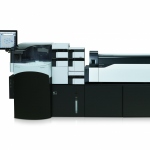
Agfa HealthCare showcases its laboratory information system HEXALIS
Bioserveur/Mesanalyses.fr connects 1,400 laboratories, 130 healthcare facilities and 15,000 doctors for sharing information.

Bioserveur/Mesanalyses.fr connects 1,400 laboratories, 130 healthcare facilities and 15,000 doctors for sharing information.

Hepatitis B virus (HBV) causes hepatitis B, an infectious disease that afflicts 230 million people worldwide, thereof 440 000 in Germany. Persistence of the virus in liver cells leads to progressive organ damage in the patient and contributes to a high risk of cirrhosis and liver cancer development. Providing a new paradigm to hepatitis B understanding, researchers at the German Cancer Research…
The U.S. Food and Drug Administration approved the cobas EGFR Mutation Test v2, a blood-based companion diagnostic for the cancer drug Tarceva (erlotinib). This is the first FDA-approved, blood-based genetic test that can detect epidermal growth factor receptor (EGFR) gene mutations in non-small cell lung cancer patients. Such mutations are present in approximately 10-20 percent of non-small cell…

In addition the technique to grow the blood vessels in a 3D scaffold cuts down on the risk of transplant rejection because it uses cells from the patient. It was developed by researchers from the University of Bath's Department of Pharmacy and Pharmacology, working with colleagues at Bristol Heart Institute.

The group of Russian and French researchers, with the participation of scientists from the Lomonosov Moscow State University, has succeeded to synthesize nanoparticles of ultrapure silicon, which exhibited the property of efficient photoluminescence, i.e., secondary light emission after photoexcitation. These particles were able to easily penetrate into cancer cells and it allowed to use them as…

With more than 30 years’ experience developing pioneering high quality, cost effective Quality Control solutions for the IVD market Randox has designed their Acusera range of third party controls to simplify QC practice for labs of all sizes. The following outlines frequent complaints that arise in the lab & solutions we can offer to ensure you no longer quietly complain about your QC.

The Zika epidemic has long assumed global proportions, experts told the Congress of the European Academy of Neurology in Copenhagen. Europe needs to get prepared to deal with the relentless spread of the health threat, in particular with a view to “imported” infection. Awareness for prevention and personal protection is important, in particular with thousands of athletes and fans soon…

Professor Klaus Kayser, former Head of the Institute of Pathology at Heidelberg University Hospital’s Thorax Clinic, may be retired but he continues to be a leading figure in his discipline, a visionary, famous for this critical and ‘out of the box’ thinking. During the run-up to the European Congress on Digital Pathology (ECDP), we asked the expert about telemedicine and standards and,…

Though it is the underlying science that drives diagnosis and treatment decisions, pathology is an often overlooked field. As part of the health continuum, as the turning point for treatment, as a new source for research and discovery – in all these ways, the power of pathology has gone unnoticed. However, the industry is slowly coming to realize its potential in transforming care, knows Hans…

In a study of 436 breast cancer cases with 28 years of survival data histo-pathologists from Karolinska Institute, Stockholm, Sweden shows that protein tissue-based biomarker data are at least as good as gene expression assays.

Mobile technology could prove an important catalyst in helping take digital pathology onto a new level in delivering clinical diagnostics.

Scientists from the universities in Münster and Munich have discovered what precisely goes wrong in the body in the case of multiple sclerosis (MS). At the same time the neuroscientists were able to demonstrate that for MS, which occurs in bouts, there is a therapy which is tailor-made to eliminate the deficit.

A UK-based neuropathologist has highlighted how the digitisation of pathology will play a pivotal role in taking patient care on to a new and more efficient level. Speaking in a recent Webinar under the heading The Adoption and Benefits of Digital Pathology for Primary Diagnosis, Dr Daniel du Plessis also noted how the digital era would raise the profile of pathology and ‘bring it out of the…

As laboratories in Europe shift to systems for digital pathology, they must ensure the technology not only works, but works for them, says Dr Liron Pantanowitz, director of pathology informatics at University of Pittsburgh Medical Center (UPMC).

Pathologists in Utrecht step away from the microscope as the first fully digital workflow goes live for primary diagnostics. ‘The whole world wants to stop by and see the show,’ said Paul van Diest MD, who leads the Department of Pathology at the Utrecht University Medical Centre.

Strictly speaking, digital pathology has not yet resulted in any groundbreaking changes for clinical diagnostics. The conventional light microscope introduced to pathology around 100 years ago continues to be the most important tool for pathologists.

Histopathologists play key roles in diagnosing disease entities and determining biomarkers related to the prognosis and response to specific therapy of malignant tumours. Report: Bela Molnar

Whilst digital pathology has the potential to deliver more precise diagnostics, there remain a number of barriers to its widespread implementation.

Healthcare is going digital. No doubt about it, Prof. Hufnagl predicts. Information and communication technologies have gone beyond moving data from one place to the other; they are triggering stellar improvements in healthcare: diagnoses are becoming ever more precise, therapies ever more personalised. The extent to which the individual clinical disciplines have progressed in their technological…

Compressing and storing digital images in pathology remains technically challenging but there are many options that can both help reduce costs and improve efficiency, a Spanish expert will explain in a dedicated talk during ECDP in Berlin.

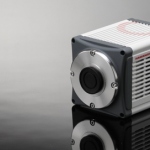
‘4K technology is the future - a fact which hasn’t gone unnoticed by Panasonic. The company presented its new 4K Ultra HD Micro camera GP-UH532 in Dusseldorf in November 2015. We are very pleased to introduce this innovative system,’ says Margarita Zoussevitch, European Marketing Manager at Panasonic.

The equivalent of HD or Ultra-HD for home television and video is now entering the world of medicine. Although 4K technology with its high-resolution display quality is already used in radiology, there are areas that do not yet benefit from this advanced technology.

In recent years, we have witnessed multiple epidemics of viral diseases such as Ebola or Zika. Rapid targeted intervention is key to containment. Real-time data integration and analysis can help public health authorities to maximize efficacy of intervention strategies. Dr. Richard Neher from the Max Planck Institute for Developmental Biology, Germany and Dr. Trevor Bedford from the Fred…

As one of medicine’s largest challenges, viral infections often escape vaccines due to their natural ability to mutate rapidly and develop drug resistance easily. Many viruses, such as Zika, Ebola and dengue fever, have grown into major global health epidemics with great human and economic toll. IBM Research and Singapore’s Institute of Bioengineering, Nanotechnology (IBN) announced they have…

New EU-funded project CoSTREAM targets the common mechanisms and pathways of stroke, Alzheimer’s disease to improve disease prevention and treatment, by combining clinical, genetic, epidemiologic, metabolic and radiologic research to develop an organ-on-a-chip in vitro model for the blood-brain connection that will revolutionise drug-development.