

News • Oncology
Scientists root out the ‘bad seeds’ of liver cancer
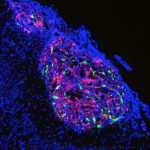
Researchers have found the “bad seeds” of liver cancer and believe they could one day reprogram them to remain responsive to cancer treatment, a new study has found.

Researchers have found the “bad seeds” of liver cancer and believe they could one day reprogram them to remain responsive to cancer treatment, a new study has found.

There’s apparently safety in numbers, even for cancer cells. New research in mice suggests that cancer cells rarely form metastatic tumors on their own, preferring to travel in groups since collaboration seems to increase their collective chances of survival, according to researchers at Johns Hopkins.

Surgeons removing a malignant brain tumor don't want to leave cancerous material behind. But they're also trying to protect healthy brain matter and minimize neurological harm.

Researchers have identified a mechanism that allows cancer cells to respond and grow rapidly when levels of sugar in the blood rise. This may help to explain why people who develop conditions in which they have chronically high sugar levels in their blood, such as obesity, also have an increased risk of developing certain types of cancer.

When cells die, they don't vanish without a trace. Instead, they leave behind their fingerprints in the form of cell-free DNA. In people, these tiny fragments of DNA can be found in the bloodstream.

Healthcare, the world’s largest industry, is more than three times the size and value of the financial services sector, and is transforming faster than ever before, driving humanity to rethink the way we approach our health.

Following a heart attack or other heart trauma, the heart is unable to replace its dead cells. Patients are often left with little option other than heart transplants, which are rarely available, or more recently cell therapies that transplant heart cells into the patient's heart.

You’ve probably never heard of “sphingolipids” before. But these curiously named organic compounds play a vital role in one of humanity’s most well-known diseases: cancer.

Australian scientists have for the first time revealed how malaria parasites cause an inflammatory reaction that sabotages our body's ability to protect itself against the disease. The discovery opens up the possibility of improving new or existing malaria vaccines by boosting key immune cells needed for long-lasting immunity. This could even include vaccines that have previously been ineffective…

A new injectable “biogel” is effective in delivering anti-cancer agents directly into cancerous tumours and killing them. This technology, developed by researchers at the University of Montreal Hospital Research Centre (CRCHUM), has already been successfully tested in the laboratory. If it works in patients, the therapy could one day revolutionize treatment for many forms of cancer.

Patients with multiple sclerosis often receive a "hit and miss" treatment when the disease breaks out. A blood analysis is now for the first time able to reveal which of the two most important first-line drugs is better suited for which patients.

Iron nanoparticles injected before magnetic resonance imaging can make tissues more visible and the same nanoparticles may allow doctors to precisely target tumors with new medicines. However, among the challenges to the practical use of nanoparticles in the human body is what scientists refer to as lack of “hemocompatibility” – nanoparticles tend to be attacked and cleared by the immune…

A discovery about how the body deals with the cholesterol contained within its dying cells has suggested an exciting new approach to control people’s cholesterol levels – and thus their risk of developing heart disease.

Everyone who has played in a band or orchestra knows that playing in time creates music, while playing out of time creates cacophony. In an orchestra, each player may be out of tune when warming up, but eventually, all players must reach the same pitch, rhythm, and timing to produce a viable piece of music.

When it comes to fending off disease and helping prevent people from falling ill, the body’s immune system – armed with T-cells that help eliminate cancer cells, virus-infected cells and more – is second to none. But exactly how the immune system works remains, in many ways, a mystery, as there are numerous cell types whose functions and interactions with our immune systems have not been…

Complex life is only possible because proteins bind to each other, forming higher-order structures and signal pathways. Scientists at the Max Planck Institute (MPI) of Biochemistry in Martinsried near Munich and at the MPI of Molecular Cell Biology and Genetics in Dresden have now drawn a detailed map of human protein interactions. Using a novel mass spectrometric quantification method, the…

A unique molecule developed at Duke Medicine, the University of North Carolina at Chapel Hill and MacroGenics, Inc., is able to bind HIV-infected cells to the immune system’s killer T cells. It could become a key part of a shock-and-kill strategy being developed in the hope of one day clearing HIV infection.

An international team of researchers, led by scientists at the National University of Singapore (NUS), has identified a protein that regulates the growth of neurons by transporting key metabolic enzymes to the tips of neural cells. Their findings open up new avenues for design of drugs for ataxia, a motor coordination disorder.

Researchers funded by the National Institute of Biomedical Imaging and Bioengineering at Tufts University and their collaborators have successfully developed a 3-dimensional (3D) tissue-engineered model of bone marrow that can produce functional human platelets outside the body (ex vivo).

When a pathogen invades the body, specific cells in the human immune system are ready to take immediate action in order to destroy it. The molecular characteristics of these killer cells were unknown until recently. Now, for the first time, a team from the Technical University of Munich (TUM) has managed to create a molecular profile of the protective cells. By studying these immune cells from…

By implanting electrodes in the brain tissue one can stimulate or capture signals from different areas of the brain. These types of brain implants, or neuro-prostheses as they are sometimes called, are used to treat Parkinson's disease and other neurological diseases.

People often talk about how important it is to stay in shape, something humans usually can accomplish with exercise and a healthy diet, and other habits. But chances are, few of us ever think about the shape of our individual cells.

In a small pilot study, researchers from North Carolina State University have demonstrated a rapid, simple way to generate large numbers of lung stem cells for use in disease treatment. This method of harvesting and growing a patient’s own lung stem cells shows promise in mice for treating idiopathic pulmonary fibrosis (IPF), and could one day provide human IPF sufferers with an effective, less…

Every organism—from a seedling to a president—must protect its DNA at all costs, but precisely how a cell distinguishes between damage to its own DNA and the foreign DNA of an invading virus has remained a mystery. Now, scientists at the Salk Institute have discovered critical details of how a cell’s response system tells the difference between these two perpetual threats. The discovery…

Vascular surgeon Pat Kelly of Sanford Health in Sioux Falls, South Dakota, knew his patients were doing better with the stent graft he designed, but he wanted a better understanding of the mechanics before testing the device more widely in a clinical trial. For that, he reached out to South Dakota State University. Associate professor Stephen Gent in mechanical engineering had done computational…