

The global Research and Development Centre for Life Science
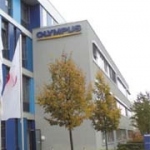
Olympus, which recently opened the global Research and Development Centre for Life Science in Munich, will invest around euro 15m in this project.

Olympus, which recently opened the global Research and Development Centre for Life Science in Munich, will invest around euro 15m in this project.
The French Health Authorities announced in February that the smoking ban — which began in February 2007 for communal buildings and work places, and was implemented in January 2008 with effect on bars, restaurants and hotels — has produced striking results.
Austria - An unusually high number of measles cases is currently causing concern amongst the public as well as health officials. Presumed to have originated in a private school in Salzburg, increasing numbers of cases were being reported at the end of March and beginning of April.
As the opening of the Beijing 2008 Olympic Games nears, the US Olympic Committee (USOC) and the General Electric Company (a Worldwide Partner of the Olympic Games) are running two research programmes aimed at demonstrating that health monitoring and early intervention leads to injury prevention and enhanced health and sports performances for athletes.

One of the most painful problems of modern Russia is the high death rate, especially among able-bodied people. In 2005, the average life expectancy for men was 58.8 years.

'How do you treat the HIV-positive, diabetic, schizophrenic patient presenting with chest pain? By making the necessary information available for personalised medicine'

Molecular imaging aims at the in vivo quantitative visualisation of molecules and molecular events that occur at cellular level. The potential towards clinical translation is huge, because the same modalities used in medical imaging are used in molecular imaging investigations.

The Uliazpi Foundation in Spain, which studies and cares for severely mentally retarded patients, carried out an interesting study to identify bone mineral density values in a group of its patients, compare these with the general population and investigate the possible influence on these values on certain clinical variables and therapeutic regimens.

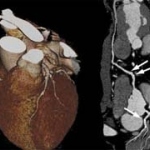
Competitive or complementary? By Florian Schwarz BS, Balazs Ruzsics MD PhD and U. Joseph Schoepf MD, of the Radiology and Medicine Departments, at the Medical University of South Carolina, Charleston, USA.

When the International Agency for Research in Cancer (IARC) 2007 statistics report, showed that 429,000 new cases were reported in Europe in 2006, Director Peter Boyle recommended that colorectal cancer screening programmes be implemented throughout Europe.

The upper gastrointestinal (UGI) team at Milton Keynes Hospital NHS Foundation Trust has developed a rapid access service for upper gastrointestinal cancers. The new system means that patients are referred directly from their GP to the hospital for an endoscopy.

A new test, developed at the University of Leeds, searches for a heart-type fatty acid-binding protein (H-FABP) which is released into the circulation following heart injury. The test seems to be more accurate in identifying patients with heart damage at an earlier course of their illness.
EH correspondent H-C Pruszinsky reports

Dr Eduardo de la Sota reports

Brenda Marsh reports on the country's flourishing and expanding breast screening programme
Stereoscopic digital mammography, a new diagnostic technique capable of producing three-dimensional (3-D) in-depth views of breast tissue, could significantly reduce the number of women who are recalled for additional tests following routine screening mammography.

The project “Clean Hands” is Germany's contribution to the WHO initiative “Clean care is safe care”. “Clean Hands” aims at improving hand hygiene in German hospitals in order to significantly reduce nosocomial infections.

Early Health, i.e. the early detection of diseases, will have to move into the centre of attention - this is the result of a survey by Total Healthcare Solutions (THS). Dr Susanne Michel, Associate Director at THS, underlines that in the future prevention will have to be considered an investment in healthcare rather than a mere cost factor. Decision makers from politics and the healthcare system…

A research carried out at six hospitals in the West Midlands, UK, is evaluating the use of pulse oximetry as a screening tool for congenital heart disease in newborn babies. Approximately three percent of infant deaths are caused by these significant heart defects and at the moment only less than half of the affected babies are identified by clinical examination, the current screening technique.
Poster data presented at Scientific Sessions 2007 have demonstrated that the application of clinical practice modifications, combined with advanced electronic technologies, can improve the care of patients at risk for sudden cardiac arrest (SCA).

The St. Lucas Andreas Hospital in Amsterdam-West, the first in the Netherlands to begin the daily remote monitoring of cardiac patients at home, is using the Philips Motiva system. About 100 patients will be involved.

"Be active and live healthy!" You would love to do that but you are too busy just trying to juggle your daily life? Help might be underway: the Stress Pilot. Developed by Biocomfort and presented at this year's MEDICA, the Stress Pilot is a software solution to monitor and reduce personal stress levels. Thus, the product offers an important contribution to the prevention of…
USA - A team of researchers at the Rochester Institute of Technology, is working to advance the integration of radio frequency identification technology (RFID) into existing cardiac sensor networks, a new wireless technology for telemedicine delivery, and will also work to enhance the security of the systems used.
Researchers in the United Kingdom, Canada and Sweden are taking part in a study to ascertain whether the use of BlackBerries to transmit real-time health information can boost the treatment of patients with chronic conditions.