


Navigating the Evolving Regulation and Commercialization of Stem Cell Research
Interested parties that can successfully navigate the evolving regulation of stem cell research stand to gain significant scientific and commercial advantage.

Interested parties that can successfully navigate the evolving regulation of stem cell research stand to gain significant scientific and commercial advantage.

Johns Hopkins surgeons have established a facial transplantation team and are in the process of obtaining approval from the University’s Institutional Review Board (IRB) of their protocol to perform the complicated procedure.

Stroke survivors who like art have a significantly higher quality of life than those who do not, according to new research. Patients who appreciated music, painting and theatre recovered better from their stroke than patients who did not.

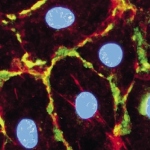
Johns Hopkins scientists have published laboratory data refuting studies that suggest blood vessels that form within brain cancers are largely made up of cancer cells. The theory of cancer-based blood vessels calls into question the use and value of anticancer drugs that target these blood vessels, including bevacizumab (Avastin).

The list of post-operative complications is long. Most common are fever, chest infection, pneumonia, wound infection, bleeding or deep vein thrombosis. As these post-surgical complications can range from minor, self-limiting problems to major life-threatening events, their definition and severity staging can be challenging.

Traumatic brain injury (TBI) is one of the world’s biggest public health problems. In the USA, for example, about 1.7 million people sustain TBI every year, costing healthcare $76.5 billion. Yet, the public knows little of the significance of TBI and also it once received the nickname ‘silent epidemic’ by the American Centres for Disease Control and Prevention (CDC).

Currently there is a truly enormous hole in the ground in the city of Wiener Neustadt, Austria, but by summer 2012 MedAustron, one of the most modern centres for ion therapy and research in Europe, is to be built here.
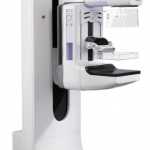
In breast imaging, advances are constant. Dr Peter Brader, at the Department of Radiology, Division for Molecular and Gender Imaging, Medical University Vienna, believes a paradigm shift will take place in this and by 2025.

Using a mathematical formula that carefully measures the degree to which HIV infection of immune system cells is stalled by antiretroviral therapy, AIDS experts at Johns Hopkins have calculated precisely how well dozens of such anti-HIV drugs work, alone or in any of 857 likely combinations, in suppressing the virus.
Radiologists in the United Kingdom have taken steps to help ensure unexpected findings iscovered during the course of imaging research are being recorded and effectively disseminated, Mark Nicholls reports.

Using precise information about an individual’s genetic makeup is becoming increasingly routine for developing tailored treatments for breast, lung, colon and other cancers. But techniques used to identify meaningful gene mutations depend on analyzing sequences of both normal and mutant DNA in tumor samples, a process that can yield ambiguous results.

In Europe, 350,000 women are diagnosed with breast cancer annually. About 90% of them can be cured if the cancer is detected at a very early stage. To improve early detection almost all European countries have gradually initiated regional screening programmes, even though the benefits are discussed controversially from time to time.

Millions of people suffer from mental health problems. Yet very few people can afford treatment. The cost of mental health care is prohibitive to men and women in today's economy, so while many people acknowledge that they can use mental health care treatments, few actually take advantage of it and even fewer have the means to do so.

Johns Hopkins neurologists report success with a new means of getting rid of potentially lethal blood clots in the brain safely without cutting through easily damaged brain tissue or removing large pieces of skull. The minimally invasive treatment, they report, increased the number of patients with intracerebral hemorrhage (ICH) who could function independently by 10 to 15 percent six months…

The innovation leader in CT and a pioneer in low dose: Siemens introduced a new class of CT which is built for business and designed for efficiency.

Tarilian Laser Technologies (TLT) have confirmed, from early studies, the ability of its Sapphire sensor technology to detect white coat hypertension (WCH) during measurement of blood pressure in a clinical setting and to create a novel platform from which WCH can be distinguished from background stress and anomalous baseline variability.

People who donate a portion of their livers for transplant to a relative or friend whose liver is failing can generally expect to live long, healthy lives and recover safely from the donation surgery, Johns Hopkins researchers have found.

Silicone breast implants are the most popular type of implant. The postulated relation between silicone breast implants and the risk of connective tissue and autoimmune diseases has generated intense medical and legal interest during the past decade. Considerable controversy has surrounded the long-term safety of silicone breast implants.

A registry -which includes every patient in Sweden having percutaneous coronary intervention (PCI) for the treatment of acute and stable coronary artery disease- has found that PCI implantations using a new generation of drug-eluting stents is associated with lower rates of relapse (restenosis), stent thrombosis and subsequent mortality than older generation drug-eluting stents and bare-metal…

New research by Johns Hopkins scientists suggests that vitamin D, long known to be important for bone health and in recent years also for heart protection, may stop conferring cardiovascular benefits and could actually cause harm as levels in the blood rise above the low end of what is considered normal.

The German Paediatric Heart Centre (DKHZ) is one of the largest of its kind in Europe. Over 25 years the centre has treated big and small patients with congenital heart defects, very now and then being faced with rare, individual cases that present very particular challenges. In any one year, consultant paediatric cardiologist Professor Martin Schneider MD encounters perhaps five such non-…

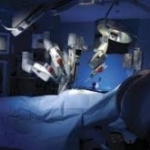
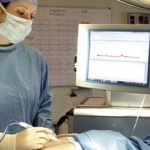
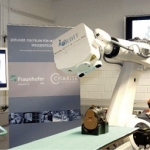
Medical imaging is no longer limited to diagnosis and evaluation. New, high resolution imaging systems enable very precise positioning of lasers, endoscopes and micro-instruments for surgery near the nerves, spinal cord or blood vessels and for selective tumour destruction, with minimum levels of pain and low complication rates.

With transcatheder aortic valve implants (TAVI) forming some 20% of all heart valve replacement procedures today, and the technology constantly developing, the 'real art' to the intervention's success lies in precise patient selection and procedure performance carried out by a multi-disciplinary and effective team, according to Simon Redwood, Professor of the interventional cardiology at King's…
Italy is a front runner in diabetic foot revascularisation. Among the country’s pioneers is Professor Roberto Gandini, at the Diagnostic Imaging and Interventional Radiology Department, University of Tor Vergata in Rome, who has developed and improved new technical options in peripheral vascular disease intervention, a technique that now saves about 92% of patients from major amputations due…

Dysglycaemia is a new term in critical care that recognises the vital importance for glucose monitoring of patients in the intensive care unit (ICU). Beyond the clinical consensus over this word for grouping critically ill patients with hyperglycaemia, hypoglycaemia or high blood sugar, there is no broad agreement on how best to manage these patients. Report: John Brosky.