Mobile devices in diagnostic imaging
Physicians are increasingly adopting smartphones and tablets because screen quality has improved for mobile viewing of patient images, with the promise of ‘any image, anywhere at any time’.



Physicians are increasingly adopting smartphones and tablets because screen quality has improved for mobile viewing of patient images, with the promise of ‘any image, anywhere at any time’.
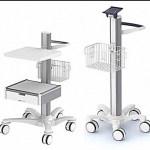
Physicians and nurses need flexible solutions to monitor and administer patient data, and the devices they seek must be ergonomically designed, easy to clean and made of high-quality materials, CIM med, specialist in carrier arms, points out.
Radiology lies at the very centre of the healthcare chain. Most patients pass through an imaging department at one point or another in their treatment.
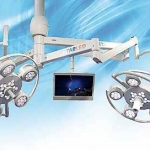
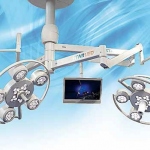
ACEM Medical Company, specialising in the manufacture of medical equipment, scialytic and surgical lamps, is demonstrating the following products at Medica 2012:

How healthy are Medica attendees? In Hall 9, Welch Allyn is capturing and documenting vital signs using its Connex vital signs system to find out.
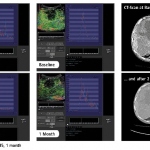
Step-by-step, ultrasound is advancing as an alternative for determining whether a cancer patient’s treatment is working or should be changed. Not everyone welcomes this disruptive new approach, John Brosky reports.
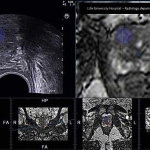
Prostate cancer is the second leading cause of death among men yet remains one of the most frustrating for physicians to find and treat. Merging the strengths of imaging modalities helps, but does not solve all the problems, says John Brosky
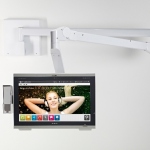
Healthcare imaging specialist Barco announces the launch of the JAO ST-185B, the first of a new generation of JAO Smart Terminals for installation at the patient’s bedside.
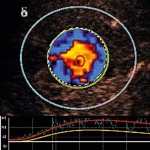
Adding micro-bubbles to the blood lights up the body for ultrasound scanners. Non-invasive, non-toxic and low-cost, these examinations present a disruptive, readily accessible technology for diagnosing disease. John Brosky reports
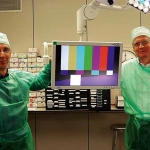
To modernise the surgical display equipment at Belgium’s foremost university hospitals, NDS Surgical Imaging (NDSsi) has installed Radiance HD surgical displays in the operating theatres and the gastroenterology department. Easy to implement and offering reliable and consistent colour quality, the multi-modality imaging systems addresses the needs of UZ Leuven’s surgeons, clinicians, imaging…

Statistics show significant increase in scans and left heart catheterisations, Susanne Werner reports
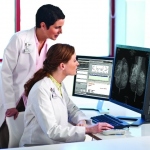
Carestream will demonstrate top of the edge technologie and launches digital breast tomosynthesis module for its Vue Mammo Workstation on booth 2636 in Chicago.

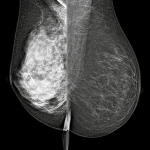
Study suggests a new method to measure breast density can help determine cancer risk

Dr Peter Choyke, Chief of the Molecular Imaging Programme at the National Cancer Institute in Bethesda, USA, believes that new tracers will have an evolving role to play and represent an exciting development in the imaging of cancers.
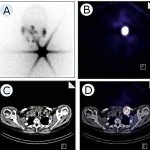
Although most nuclear medical examinations using SPECT (single photon emission computed tomography) take place beyond hospitals, two to three times more SPECT exams than PET-CT exams are carried out within hospitals.
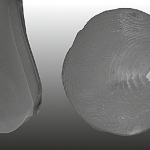
Much, if not even everything, may have been said already about the multimodal approach in breast diagnostics. However, Professor Rüdiger Schulz-Wendtland at the Institute of Radiology, University Hospital Erlangen, says there is still surprising news from this field – innovations in multimodal breast diagnostics, for example.
UK researchers are working on a new MRI technique called hyperpolarised MRI – or Dynamic Nuclear Polarisation (DNP) – that can utilise more of the available nuclei than traditional MRI, helping to overcome some of its limitations by increasing sensitivity 10,000-fold or more. DNP is part of a longer-term aim to improve cancer mortality with the help of novel cancer imaging tools.
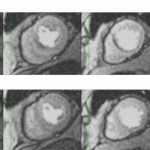
Today, magnetic resonance imaging receives top billing in cardiology next to the co-star computed tomography while much hailed single-photon emission computed tomography (SPECT) plays but a minor role.


To treat heart problems, common sense says we should look to the heart. New European research based on an advanced ultrasound system suggests that stiffening of the arteries plays a key role