

Researchers build brain-machine interface to control prosthetic hand
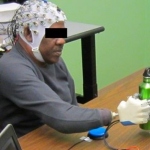
A research team from the University of Houston has created an algorithm that allowed a man to grasp a bottle and other objects with a prosthetic hand, powered only by his thoughts.

A research team from the University of Houston has created an algorithm that allowed a man to grasp a bottle and other objects with a prosthetic hand, powered only by his thoughts.

Researchers at NYU Langone Medical Center project a national influx of patients who will need immediate treatment.

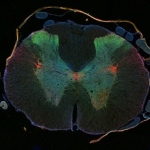
Damage to the spinal cord rarely heals because the injured nerve cells fail to regenerate. The regrowth of their long nerve fibers is hindered by scar tissue and molecular processes inside the nerves. An international team of researchers led by DZNE scientists in Bonn now reports in Science that help might be on the way from an unexpected quarter: in animal studies, the cancer drug epothilone…

New insights into the ways the human brain functions – that is the promise of mapping the entire web of connections in the brain, the so-called connectome. New developments in connectome imaging are one of the major topics at this year’s European Congress of Radiology (ECR).

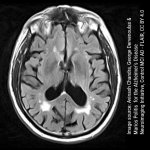
Alzheimer's disease is probably the best-known form of neurodegenerative disease, which is usually characterised by a progressive loss of cognitive, emotional and social abilities. But what actually happens in the brain? Read more about current research and therapeutic approaches to this form of dementia.

More than 80 billion neurons, trillions of synapses and almost 6 kilometres of neural pathways: The brain is an anatomical masterpiece – and still puzzles science. Keep reading to find out about latest research and therapies of brain diseases.

Many different forms, unclear origins: Multiple sclerosis (MS) is one of the most common neurological diseases that often leads to disability in those affected. Read more about current research and therapeutic approaches to MS.

Neural networks are emblematic of complex systems, so it's no surprise that the field of neurology is eclectic and intricate, too. Main challenges for neurologists are therapies of and research on stroke, seizures, movement disorders such as Parkinson's disease, autoimmune disorders such as multiple sclerosis and dementias such as Alzheimer's disease.