


News • Experimental biology
Global warming: how hot is too hot for human health?
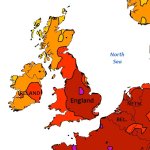
Ongoing research at the University of Roehampton, UK has identified the upper critical temperature (UCT) for humans - and why our bodies cannot handle more heat.

Ongoing research at the University of Roehampton, UK has identified the upper critical temperature (UCT) for humans - and why our bodies cannot handle more heat.

The 2022 summer heatwave resulted in a fifth of UK hospitals being forced to cancel operations during the three days when temperatures soared, a new study reveals.

Exposure to a mixture of chemicals called PFAS - also known as 'forever chemicals' - leads to alterations in biological processes associated with a broad range of diseases, a new study finds.

A new interdisciplinary article suggests ways in which the virtual-reality-based metaverse can help design healthy living environments and combat non-communicable diseases.

A new mathematical model developed by Hokkaido University engineers uses wastewater samples to effectively forecast the number of clinical Covid-19 cases in a community five days in advance.

High levels of microplastics were detected in surgical environments in a new study. Microplastic was found in both the operating theatre and anaesthetic room, in cardiothoracic surgeries.

Both hot and cold environments trigger a stress response and can lead to cardiovascular problems. Results of a new study are especially interesting in light of the current multiple global crises.

The diminished power of the immune system in older adults is usually blamed on the aging process. But a new study shows that decades of particulate air pollution also take a toll.

Are climate change and air pollution making neurologic diseases like headaches, dementia and multiple sclerosis (MS) worse? A scoping review of research explores the connection.

A comprehensive assessment of scientific literature has uncovered empirical evidence that more than 58% of human diseases caused by pathogens, such as dengue, hepatitis, pneumonia, malaria, Zika, have been aggravated by climatic hazards.

Avian flu, MERS, Covid-19, monkeypox: outbreaks of infectious diseases are getting more common in Europe. As a result, the EU must adapt its surveillance strategies and introduce more data-driven, interdisciplinary countermeasues.

Global warming could be especially dangerous for diabetes patients, a new study shows: Exposure to extreme heat was linked with more hospitalizations for diabetes-associated pathologies.

John Kotcher from George Mason University says that emphasizing the health implications of climate change is one of best ways to engage the public to fight for better policies.

Climate change and antimicrobial resistance (AMR) are forming an alarming alliance: Global warming creates new breeding grounds for resistant bacteria. A serious and very real threat to public health – but not quite the doomsday scenario some might make it out to be, says Prof Sabiha Essack from the University of KwaZulu-Natal in Durban, South Africa.

Contrast agents in the wastewater and power-hungry imaging systems: The eco-footprint of healthcare is huge, and radiology departments are among the main culprits. An expert panel at the ECR Overture explored ways to make the field “greener”.

Rising temperatures due to climate change will lead to an increase in cases of kidney stones over the next seven decades, even if measures are put in place to reduce greenhouse gas emissions.

'Unite behind the science' is an essential appeal from climate activist figurehead Greta Thunberg – and so they did: Over 200 health journals across the world have come together to simultaneously publish an editorial calling on world leaders to take emergency action to limit global temperature increases, halt the destruction of nature, and protect health. While recent targets to reduce…

Global greenhouse gas emissions over the last century have made southern China a hotspot for bat-borne coronaviruses, by driving growth of forest habitat favoured by bats. A new study published in the journal Science of the Total Environment provides the first evidence of a mechanism by which climate change could have played a direct role in the emergence of SARS-CoV-2, the virus that caused the…

As sea levels and temperatures rise, so does the number of heat-related heart attacks: A study published in the European Heart Journal by scientists at Helmholtz Zentrum München and colleagues from a range of other Bavarian institutions shows that the risk of suffering a heat-induced heart attack has increased significantly in recent years.

Global warming may have played a pivotal role in the emergence of Candida auris. According to a new study published in mBio, an open-access journal of the American Society for Microbiology, C. auris, which is often multi-drug resistant and is a serious public health threat, may be the first example of a new fungal disease emerging from climate change.

Sunburn and happy memories are not the only things we can bring home from a holiday. Sometimes parasites, fungi, viruses or bacteria from distant countries accompany our return, later to become noticeable in unpleasant ways, often to pose a real health threat. At the German Radiology Congress in Leipzig, Dr André Lollert and colleagues ventured into the world of tropical and travel medicine.

Air pollution could be causing double the number of excess deaths a year in Europe than has been estimated previously, according to a study published in the European Heart Journal [1] today.

Rising temperatures due to global warming are creating a permanent habitat in Europe for mosquitos from Asia. The Asian tiger mosquito (Aedes albopictus), or Aedes japonicas, are important vectors for the transmission of pathogens previously only found in tropical regions, like dengue fever, West Nile fever and the Chikungunya virus.

New research presented at APHA’s 2017 Annual Meeting and Expo examined the burden of air pollution and its association with mortality in Chinese cities. The study by researchers at Drexel University Dornsife School of Public Health showed a significant correlation between higher air quality index concentrations and higher mortality rates. The study is the first to provide strong evidence of the…

Harmful substances in the soil, water and air also endanger people's health. In recent years, environmental medicine has been increasingly concerned with the consequences of climate change.