
Personalised medicine?
'How do you treat the HIV-positive, diabetic, schizophrenic patient presenting with chest pain? By making the necessary information available for personalised medicine'



'How do you treat the HIV-positive, diabetic, schizophrenic patient presenting with chest pain? By making the necessary information available for personalised medicine'
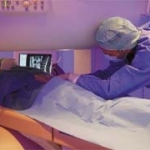
As part of a research and development project, doctors at the University Hospital Magdeburg, Germany, are treating oncology patients with local minimally invasive surgery (MIS) which, for the first time, can be carried out under radiological image control using high-field magnetic resonance imaging (MRI). The system offers excellent image quality under extremely favourable, radiation-free…

For women (or friends and relatives of women with breast cancer),
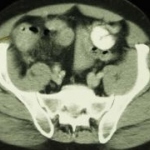
Professor Loennidis, University of Ioannina School of Medicine, Greece, and a team of researchers examined 242 randomized trials, performed during the last fourty years and covering the efficiacy of chemotherapy treatment for advanced stages of colorectal cancer. The scientist compared the benefits and outcome of different systemic treatment regimes.

Besides sophisticated imaging technologies, biomarkers are the key to molecular medicine. Therefore, the development of new and more specific biomarkers is the primary aim of researchers around the world and - since this June - it is also the aim of the new founded European Institute of Molecular Imaging, a cooperation project of the University Münster, Germany and Siemens Medical Solutions.…

The new Olympus E-330 micro-imaging system for microscopy includes the world's first digital SLR camera to show real-time frame images on the LCD, the company reports. `The system is based around a 7.5 Megapixel sensor, which together with an array of unique features delivers incredibly sharp and vibrant images directly onto a 2.5 inch high-resolution colour LCD. Other features of the micro…

Prostate cancer, the most common neoplasm in men, often progresses from an androgen-dependant state (and is commonly treated by androgen ablation therapies) to a hormone-refractory stage, therefore making hormone therapy ineffective. The response duration to androgen ablation therapy is finite and ultimately most prostate cancer will become hormone-insensitive.

Chemotherapy is used against various cancers and is often consideres as a last resort – especially if the cancer has metastasised. Since chemotherapy agents can cause severe side effects, research aims to make treatment more tolerable. Keep up-to-date with the latest research news, medical applications, and background information.

