


Heart attack

Photo

The Heinz Nixdorf Recall Study

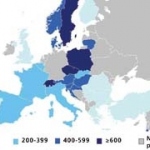
Initiated in 1999, the Heinz Nixdorf Recall Study involved 4,814 European participants. The results proved, for the first time, the connection between coronary calcifications and the risk of heart attack, according to scientists at the University Hospital in Essen. The finding by no means exhausted the potential inherent in the surveys. Subsidised until 2013, researchers are examining coronary…
Photo

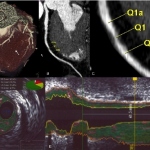
New perspectives in coronary plaque imaging using dual source CT

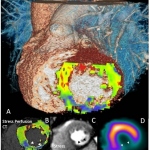
Ongoing technical developments in computed tomography (CT) such as dual source CT have established coronary CT angiography (cCTA) as a robust non-invasive imaging test for the assessment of coronary artery disease. The most important advantage of cCTA over conventional catheter-based coronary angiography is that not only the coronary lumen but also the entire coronary artery wall is visualized…

Photo

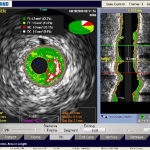
Multi-modality imaging in coronary artery disease

The focus on Coronary artery disease – from genes to outcomes at ESC 2010 underlines the importance of CAD diagnosis on the scientific agenda. During the session ‘Multi modality imaging to detect coronary artery disease’, chaired by Professor JJ Bax, of the Cardiology Department at Leiden University Medical Centre, the Netherlands, experts will discuss, for example, the advantages of the…

Photo

Cardiac Biomarkers

When in 1992 Dr Luigi Marzio Biasucci, head of the Sub-intensive Care Unit at the Catholic University of the Sacred Heart in Rome, Italy, published with his team the first paper on C-reactive protein (CRP) in unstable angina, few people believed in the diagnostic power of biochemical features to measure the effects or progress of disease, illness, or a condition. Today, biomarker tests are part…

Photo

Diabetes doubles CVD risk

A team led by UK-based researchers has found that having diabetes doubles the risk of developing a wide range of blood vessel diseases, including heart attacks and different types of stroke. The consortium, headed by Dr Nadeem Sarwar and Professor John Danesh of the University of Cambridge, analysed data from the individual records on 700,000 people, each of whom was monitored for about a decade…

Photo

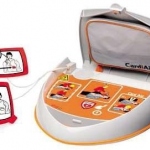
Schiller AG - Pace maker of trends in emergency medicine

In Switzerland, they say, the clocks tick a little slower than elsewhere in the world. Not at Schiller AG in Baar, however: The company remains forever ahead of the times. Since 1971, physicist Alfred E Schiller, the company’s founder and managing director, has successfully shown competitors in the tough intensive and emergency care market what innovative progress really means.

Photo

The role of exercise training in cardiovascular health

Western societies are struggling to pay for their ever increasing medical budgets. In the US up to 393 billion US-$ were spent in 2005 for cardiovascular diseases alone. Based on epidemiologic studies in primary prevention it is reasonable to estimate that 30% of coronary heart disease and stroke could be prevented by 2.5 hours of brisk walking per week.

Photo

Cardiovascular MRI

The role of magnetic resonance imaging (MRI) to assess the effect of therapy in patients with acute myocardial infarction was demonstrated in a series of papers during the 12th Annual Scientific Sessions of the Society for Cardiovascular Magnetic Resonance (SCMR), held in Orlando, Fla. USA (29 Jan - 1 Feb).

Photo

Cardiohelp

Maquet has launched Cardiohelp, the world's smallest, lightest heart-lung machine, that can not only provide a total therapy solution for heart surgery, cardiology, intensive and emergency care, but also, due to its suitcase size and 10 kg weigh, the device can be carried by just one person onto a helicopter or ambulance for mobile use.

38 show more articles
Subscribe to Newsletter