


Measuring hospital performance
Measuring hospital performance is a complex and essential activity.

Measuring hospital performance is a complex and essential activity.

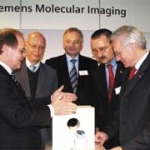
The Imaging Science Institute (ISI) — officially opened in December by Professor Werner Bautz, Director of the Institute of Radiology at the University Hospital Erlangen and Professor Erich R Reinhardt, member of the board at Siemens AG and chairman of the divisional board at Siemens Medical Solutions (Erlangen) — is the third institute (after Berlin and Tubingen) in which Siemens is…

Paul E Pepe MD MPH FACEP FCCM, Professor of Medicine, Surgery, Public Health and Chair, Emergency Medicine, The University of Texas Southwestern Medical Centre and the Parkland Health and Hospital System (TSMC&PHHS), Dallas.
Joint Commission International (JCI) accredited hospitals have long expressed an interest in performance measurement to support quality improvement efforts and to provide a valid base for local, national, and international comparisons.

The development of diagnostic products and systems has paralleled the development of new technologies in fields such as biology, electronics and computer science.

Modern methods and technology make it possible to combine out- and inpatient treatment through comprehensive, overlapping systems and to standardise and optimise early diagnosis, therapy and aftercare for malignant diseases of the female breast regionally.

Germany - Rehabilitation clinics are taking on an increasingly important role, because the country's Social Security Code indicates that, where possible, rehabilitation is preferable to providing pensions and long-term care.

Italy - The WardInHand project, which set out to provide a tool for medical teams to access a hospital information system (HIS) from wards, does not replace or compete with existing hospital systems but adds mobility and 'ubiquitous computing' to the HIS, by exchanging information with existing tools and updating clinical data in real time.

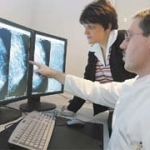
Mammography plays a critical part in diagnosing breast cancer. Although this does not prevent the disease, diagnosing breast cancer as early as possible can save lives.

The Swedish firm Sectra reports that its digital MicroDose Mammography system reduces radiation by 80%, compared with traditional film-based systems, and that its completely new detection technology allows this without compromising image quality.
Disturbingly high rates of medical errors, lack of care co-ordination, poor communication between doctors/patients, and barriers when accessing care, are experienced by patients in the United States (US), Australia, Canada, NZ (NZ) and the United Kingdom (UK).

Innovative Technologies are the driving force behind the development of medical procedures aimed at minimum invasiveness with the highest precision and best clinical results.
The National Health Service launches one of the world's biggest IT projects this month (April) aiming to connect British healthcare providers in 28 strategic health trusts via NHSnet. In the future, the plan “Delivering 21st Century IT Support for the NHS”:
In a three part study in clinical and cost effectiveness of nurse practitioners (published by the BMA in the Emergency Medicine Journal 2003; 20:158-163) a team* from Sheffield University and the Northern General Hospital have concluded that “... a nurse practitioner minor injury service can provide a safe and effective service for the treatment of minor injury. However, the costs of such a…

Since November last year, the Pen Tablet PC 3500, with MagicWeb/ Acom.web image distribution software, was field tested there by Dr Martin Herbst,