

News • Trial investigates combined benefits
Liquid biopsy and mammography: a perfect match for breast cancer detection?
A new clinical trial will investigate whether a simple blood test could help detect breast cancer as early as Stage I
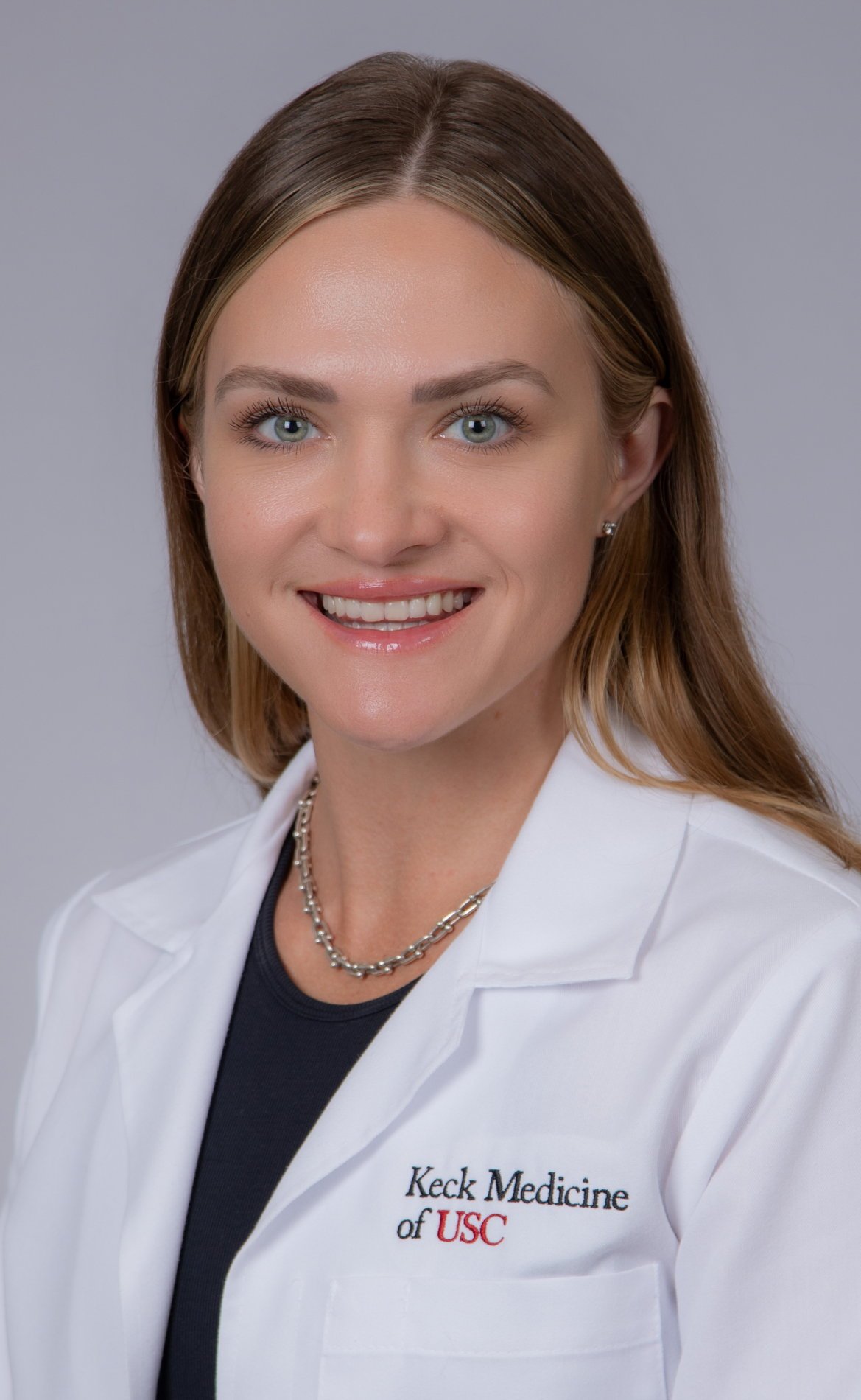
Image source: USC Norris; photo: Ricardo Carrasco III
Researchers at USC Norris Comprehensive Cancer Center, part of Keck Medicine of USC, have launched a clinical trial to evaluate whether a blood test can help detect breast cancer earlier than mammograms alone. The trial will assess whether a liquid biopsy can be used alongside mammograms to identify cellular and molecular signs of early-stage breast cancer. Developed at the USC Michelson Center Convergent Science Institute in Cancer, the test is designed to detect rare cancer-associated cells as well as tumor-associated large extracellular vesicles (L-EVs) — tiny particles released by cancer cells that can enter the bloodstream early in disease onset.
More than two million women worldwide are diagnosed with breast cancer each year. Mammograms are the primary tool for breast cancer screening. However, abnormal findings often require additional testing before doctors can determine whether cancer is present. Patients may need additional imaging or biopsy, and in some cases, doctors recommend repeat imaging six months later. The wait can create significant anxiety and, if cancer is ultimately diagnosed, delay treatment. “Our hope is to determine whether this test can provide more information about breast cancer screening and detection, particularly during the stages of the disease when it may be easier to treat,” said Anastasia Martynova, MD, a breast cancer specialist and medical oncologist with USC Norris and principal investigator of the trial.

Image source: USC Norris; photo: Ricardo Carrasco III
Researchers are also evaluating whether the test may support expanded access to breast cancer screenings for certain populations. “If the test is shown to be effective, it could offer an additional screening option for women who face barriers to mammography, such as those who live in remote areas where access to screening services is limited,” said Amanda M. Woodworth, MD, director of breast health at Keck Medicine and Henry Mayo Newhall Hospital in Santa Clarita, and co-investigator of the trial. “It could also have potential applications for women who have undergone a mastectomy, for whom mammograms are no longer an option.”
Liquid biopsies are already used in cancer care, typically after a patient has been diagnosed, to help doctors monitor treatment or determine whether cancer has returned. Most existing liquid biopsy tests look for small pieces of DNA released by cancer cells. These markers can be difficult to detect when the cancer is still small or at an early stage.
This new liquid biopsy test takes a different approach. In addition to looking for rare cancer-associated cells, it looks for L-EVs. Early data show these cells are detectable at the earliest stages of breast cancer and research suggests that they may also reflect how cancer cells and their surrounding environment communicate and change during disease. “These particles could potentially give doctors an additional sign of cancer, especially at early stages when other tests might not be able to detect it,” said Martynova.
Researchers will collect two blood samples, one year apart, and compare the results with patients’ diagnoses to evaluate the test’s accuracy. This test is still being studied and does not replace mammograms or breast biopsies.
The liquid biopsy was developed at USC by Peter Kuhn, PhD, University Professor and Dean’s Professor of Biological Sciences at the USC Dornsife College of Letters, Arts and Sciences. Kuhn created a method that can identify several common breast cancer-associated rare-cell and extracellular-vesicle signals in the blood. The same technology could potentially be used in the future to screen for other solid tumor cancers, such as lung or colon cancer.
If results from the phase 1 trial are positive, researchers plan to conduct a larger phase 2 trial involving a larger group of patients.
Source: University of Southern California - Health Sciences
18.10.2026