

Asylum seekers and healthcare
UK - Over 100,000 asylum seekers have been relocated throughout London and England's southeast, to spread the cost of their medical care.
TB causes three million deaths annually, ranking it higher than any other infectious disease. And TB has resurged in Europe. In August, the British Thoracic Society, British Lung Foundation and TB Alert highlighted its increase in over the last 15 years in the UK alone.
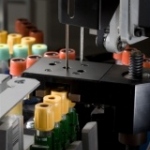
Due to economic pressure, laboratories increasingly consolidate and automate procedures. Further cost reductions could come about through miniaturisation and multi-parameter tests.

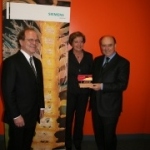
The CyFlow and CyLab technique (e.g. for economical CD4/CD8 counting in HIV monitoring in developing countries) has received 1st prize in the Innovations Award 2003, given by the State Ministry of Economy, Dresden, Germany.

Monitoring and rapidly introducing new developments into everyday practice is an increasingly difficult task for many doctors. Additionally, patients are more informed due to media medical reports, which raise their expectations that doctors can offer a quick, reliable interpretation of the latest medical data.
France - Researchers have found new cervical smear tests to be unreliable and conclude that these should not replace conventional tests (PAP smears). Their study also emphasises the need to improve the 'hard evidence' in studies of new technologies. It also has implications for the regulation of medical devices and clinical practice, as well as hospital laboratory economics.

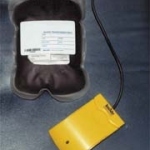
Todays test formats (gel technology, micro test plates), plus laboratory electronic data processing and automation, have changed the classic format of blood group serological examinations significantly - and reduced the danger of life-threatening errors.

Clinical chemistry has evolved far beyond its beginnings of blood and urine analysis. Advanced techniques such as enzyme measurement, electrophoresis, and immunoassays have made their impact on the field, expanding its diagnostic capabilities. Keep reading for advances in automation and clinical chemistry applications for toxicology, urinalysis and much more.

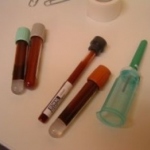
The medical laboratory is a supporting pillar of modern healthcare. Laboratory findings with analyses of blood, urine and other body fluids provide valuable insights from infection diagnostics and innovative screening procedures to therapy monitoring. Here you will find information on sample management, pre- and postanalytics, clinical chemistry, haematology and much more.

Antimicrobial resistance (AMR) is becoming more prevalent around the world, constituting a serious threat to public health. When bacteria acquire resistance against antibiotics, common medical procedures – for example, in surgery – become impossible due to the high infection risk. Keep reading to find out about AMR research, development of new antibiotics and antibiotic alternatives.