
Ireland's Institute of Molecular Medicine
Since the completion of the 13-year human genome project in 2003, molecular scientists have been delving deeper into the world of cells.



Since the completion of the 13-year human genome project in 2003, molecular scientists have been delving deeper into the world of cells.

The SlideCollector 48 enables the seamless integration of non-contact Laser Capture Microdissection (LCM) and single-cell AmpliGrid assay technology into one continuous, automated workflow. This ensures the highest levels of sample purity for applications in immunobiology, genetics, cancer research, stem cell research and forensics.
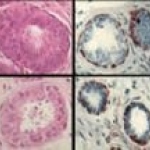
The HER2 gene causes a very aggressive kind of breast cancer. It influences the number of cancer stem cells and therefore as well the spreading of metastases. The University of Michigan Comprehensive Cancer Center now made the discovery that the drug Herceptin can drastically reduce the amount of the stem cell population in HER2 positive-breast cancer.
Scientists have identified about two dozen genes that control embryonic stem cell fate. The genes may either prod or restrain stem cells from drifting into a kind of limbo, they suspect. The limbo lies between the embryonic stage and fully differentiated, or specialized, cells, such as bone, muscle or fat.

The Weizmann Institute of Science in Rehovot, Israel, is one of the world's top-ranking multidisciplinary research institutions. Now a molecular genetics research team around Prof Naama Barkai found out that an inhibitor molecule channels the morphogenic substances within the injured embryo so that new growing tissues and organs are developing in the right proportions.

Hair follicles, long disregarded by researchers, except in the cosmetic industry, may turn out to be `the fountain of youth´, according to Andreas Emmendörffer, CEO of German biotech firm Euroderm.
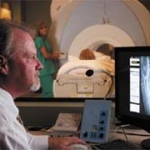
Andrea Martini and Joerg Larsen, of the Institute for Roentgendiagnostics, Braunschweig Teaching Hospitals, Germany, discuss nanotechnology, hybrid imaging and the quest for a personalised medicine.

At the Annual Congress of the European Respiratory Society (ERS), which took place in Stockholm, September 15-19, 2007, researchers from the Imperial College London, UK, presented their study about the successful implantation of lung cells grown from embryonic stem cells into the lungs of mice. In future, this method could be used for the treatment of human lung diseases.

By Stefan P. Janssens, MD, PhD Russian summary and complete article in English.
Chromosomal abnormalities are major causes of perinatal death and childhood handicap. Consequently, the detection of chromosomal disorders constitutes the most frequent indication for invasive prenatal diagnosis. However, invasive testing, by amniocentesis, chorionicvillus sampling (CVS) or cordocentesis, is associated with a risk of miscarriage of about 1% and therefore these tests are carried…

TREAT-NMD (Transnational Research in Europe - Assessment and Treatment of Neuromuscular Diseases) is a European Union funded Network of Excellence launched on January 1st 2007 with the aim of improving treatment and finding cures for patients with neuromuscular diseases.

Human genetic testing centre gains international quality accreditation.
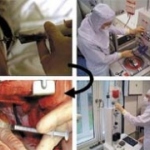
By Professor Gustav Steinhoff MD, director of the Department for Cardiac Surgery, and Christof Stamm MD, co-ordinator of clinical studies, at Rostock University, Germany

While today prenatal diagnostics provides a wide range of possibilities, prenatal therapy is still rather limited.