

News • CAR-T and BITEs
At-home monitoring safely cuts hospital time after T-cell redirecting therapy
Outpatient observation cut hospital stays dramatically, with no adverse safety events reported
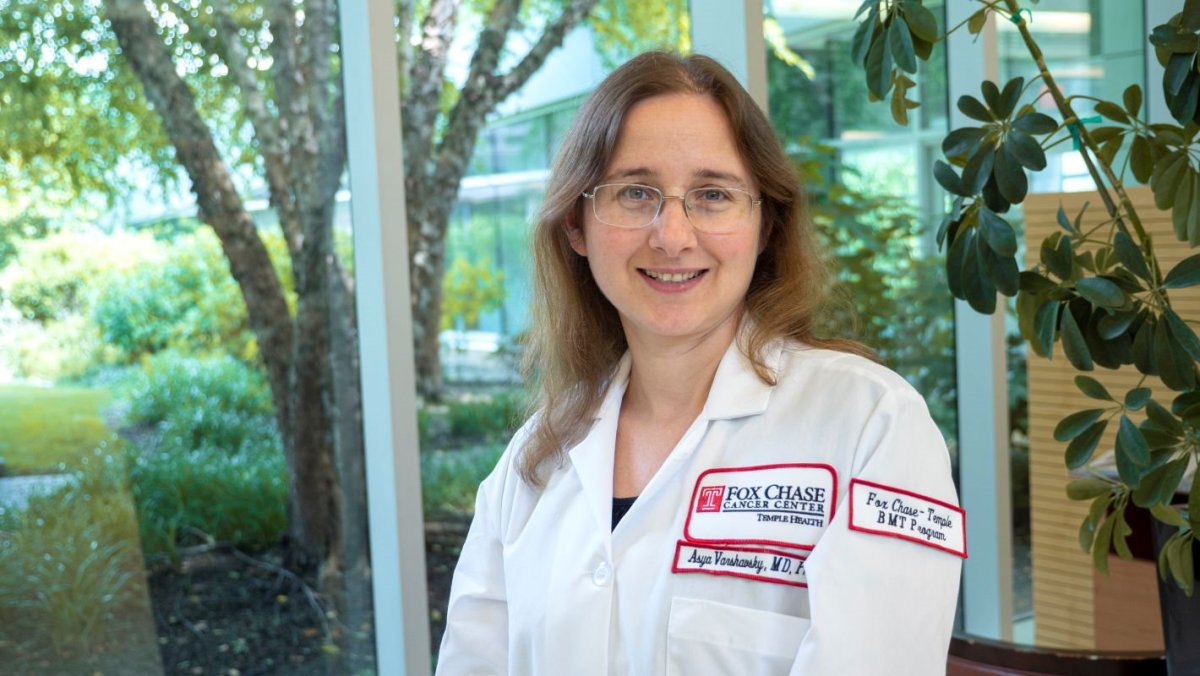
Image source: Fox Chase Cancer Center
The study, presented at the 67th American Society of Hematology (ASH) Annual Meeting and Exposition, showed that a structured outpatient model significantly reduced the number of days patients spent in the hospital, with no negative outcomes.
“There are multiple benefits to our approach,” said first author Asya Varshavsky-Yanovsky, MD, PhD, an Associate Professor in the Blood Cancer and Cellular Therapy Institute at Fox Chase. “These include decreased disruption to the patient’s normal life, reduced exposure to the risks of hospitalization, optimizing the utilization of inpatient beds, and of course healthcare costs.”
With a growing number of patients benefiting from T-cell redirecting therapies, it’s important to find strategies to treat more patients with existing resources, she added.
T-cell redirecting therapies, including CAR-T and bispecific T cell engagers (BiTEs), are a type of immunotherapy that supercharges the patient’s immune system to fight cancer. While these therapies have been a game-changing treatment option for patients with blood cancers like lymphoma and multiple myeloma, they can also cause potentially severe side effects triggered by an overactive immune response. While these therapies were just emerging, inpatient monitoring was appropriate, Varshavsky-Yanovsky said. Researchers wanted to know if outpatient observation could be done safely now that the therapies’ toxicities are better understood.
Key Findings From the Fox Chase Outpatient Model:
- Fox Chase implemented outpatient T-cell redirecting therapy as a pilot program for the majority of patients with relapsed lymphoma and multiple myeloma.
- The program significantly reduced hospital admissions for both CAR-T and BiTE patients.
- Patients in the outpatient CAR-T program saw a reduction in total hospital stay and some of them were able to avoid hospitalization altogether. More than half of those in the BiTE program avoided hospitalization entirely.
- There were no adverse safety events or clinically significant delays in care as a result of the outpatient model.
To receive outpatient CAR-T or BiTE therapy, patients are required to have a caregiver who can monitor their condition during the observation period. They also have to remain within 60 minutes of the cancer center. Fox Chase helped arrange housing for patients who lived farther away. Patients undergo a daily toxicity assessment in the clinic during the monitoring window.
Close communication with patients and caregivers, as well as detailed education about warning signs and symptoms of toxicity, were critical to the program’s success, Varshavsky-Yanovsky said. Also critical were availability of an on-call trained cell therapy provider and close multidisciplinary collaboration within the treatment team.
The program’s simplicity means it could be easily reproduced by other hospitals, she added. “We designed this program to work, and we put a lot of thought into making it safe for patients. I’m not surprised it was a success.”
Source: Fox Chase Cancer Center
09.12.2025