

Basic cardiopulmonary resuscitation
Professor Paul Pepe and Dr Jane Wigginton discuss current research and concepts that will affect the future of basic CPR.

Professor Paul Pepe and Dr Jane Wigginton discuss current research and concepts that will affect the future of basic CPR.

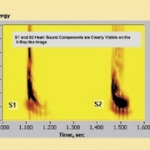
A processing system said to pick up cardiac sounds and correlate these with any related abnormalities, e.g. valve defects, stenosis, fibrillation, septal defect, etc, has been developed by the US firm Biosignetics Corporation.
Blood pressure (BP) screening, either alone or in combination with other cardiovascular risk factors such as cholesterol levels, does not determine a person's chance of having a heart attack or stroke, reports Professor Malcolm Law and colleagues at the Wolfson Institute of Preventive Medicine in the Journal of Medical Screening.

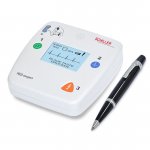
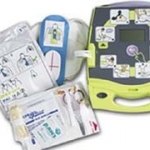
For those without practised skills in using automatic external defibrillation (AED) and basic life support procedures, the prospect of coping with a case of sudden cardiac arrest is awesome.

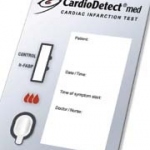
The earlier a cardiac infarction is detected the better the patient's chances of survival. However, because tests for cardiac infarction check for protein molecules that are released from heart muscle during cell necrosis, and these enter the blood very slowly, it can take three hours to gain a reliable result.

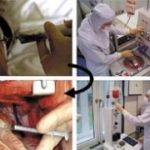
Cardiac assist devices (CAD) are blood pumps that support the circulatory functions of severely ill cardiac patients.