

Image courtesy of SNMMI
News • Impact beyond weight loss
Whole-body PET/CT reveals metabolic changes after bariatric surgery
Molecular imaging offers insights into organs' response after surgery, beyond what can be measured by weight loss or blood tests
A novel PET imaging framework reveals that bariatric surgery impacts not only body weight, but also the metabolic function of multiple organs. These PET‑derived insights into organ-level responses to surgery could support more precise treatment monitoring and personalized metabolic care. This research was presented at the Society of Nuclear Medicine and Molecular Imaging 2026 Annual Meeting.
For more than 70 years, bariatric surgery has been used to induce durable weight loss and improve obesity-related comorbidities. While the increase in GLP-1 medications has reduced the number of individuals who seek this surgery, tens of thousands of Americans each year still opt to undergo bariatric surgery to avoid lifelong medication dependency. For these patients, the recovery period is critical to ensure proper healing and prevent complications.
Having a comprehensive understanding about the changes that are happening across multiple organs would provide valuable data to clinicians as they provide follow-up care
Zeyang Wang
"Currently, clinicians do not have a clear way to see how the body's metabolism changes after bariatric surgery," said Zeyang Wang, MSc, PhD candidate in the Division of Nuclear Medicine, Department of Biomedical Imaging and Image-Guided Therapy at Medical University of Vienna in Austria. "Having a comprehensive understanding about the changes that are happening across multiple organs would provide valuable data to clinicians as they provide follow-up care."
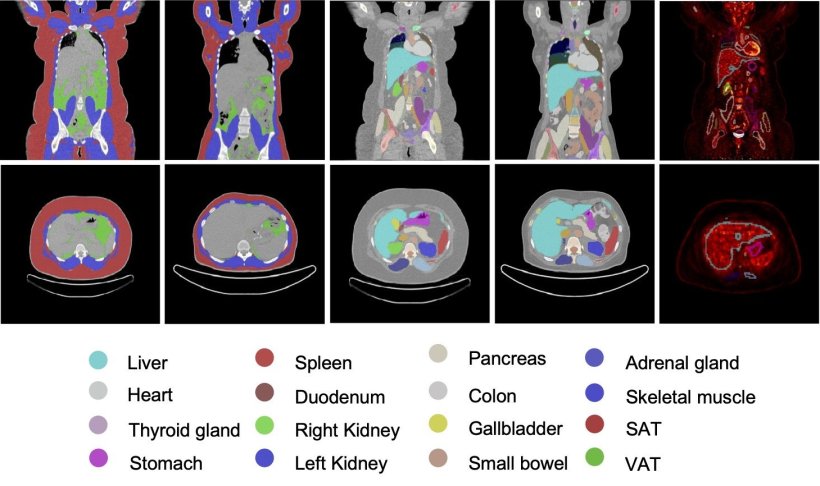
The retrospective study included 32 patients with obesity undergoing laparoscopic sleeve gastrectomy or one-anastomosis gastric bypass who underwent whole-body 18F-FDG PET/CT and comprehensive laboratory assessments both before surgery and one year after surgery. 18F-FDG uptake was measured in subcutaneous and visceral adipose tissue, liver, pancreas, spleen, adrenal glands, and skeletal muscle to determine metabolic changes. Results were compared between the pre- and post-surgery scans and with those of healthy controls, and associations among organ-level metabolic changes were evaluated.
Surgery was found to induce coordinated metabolic changes across multiple organs, including fat, liver, pancreas, muscle, cardiovascular structures, bone-related tissues, and immune-endocrine organs. Changes in organ metabolism and volume correlated with improvements in glycemic, lipid, endocrine, and inflammatory markers. Network analysis showed stronger connections between organs, indicating that metabolic processes across the body became more synchronized after surgery.
"For patients, these findings suggest that metabolic recovery after bariatric surgery is a whole-body process," said Wang. "Molecular imaging may help show how different organs respond after surgery, beyond what can be measured by weight loss or blood tests alone. This work supports the use of whole-body PET/CT as a tool to map organ-level metabolic health."
Source: Society of Nuclear Medicine and Molecular Imaging
08.06.2026