News • Assessing infection risk
Predicting neonatal sepsis with vaginal microbial swabs
A new study shows that analyzing bacteria from vaginal swab samples taken at delivery could help predict the risk of neonatal sepsis.

A new study shows that analyzing bacteria from vaginal swab samples taken at delivery could help predict the risk of neonatal sepsis.

Development of effective live bacterial therapeutics may depend more on using and re-introducing native microbes that can stick around than how the microbes are modified.

The human species maintains symbiotic relationships with a multitude of microbial organisms that colonise the inside as well as the surface of the body. Scientists, for a long time, underestimated the significance of these organisms for humans.

Compounds in a fermented fish paste used as a condiment in Indonesia efficiently inhibit an enzyme involved in cholesterol synthesis, reports a study published in the Pertanika journal Tropical Agricultural Science.

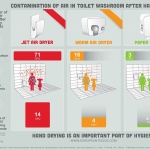
A new study concludes that jet air and warm air hand driers have a greater potential to contaminate washrooms by spreading bacteria into the air and onto users and bystanders. The findings have significant implications for infection control health professionals and purchasing managers responsible for equipping hospital washrooms.

Poor gut flora is believed to trigger obesity. In the same way, healthy gut flora could reduce the risk. This has shown to be the case in tests on rats. Daily intake of a lactic acid bacteria, which has been given the name Lactobacillus plantarum HEAL19, appears to be able to prevent obesity and reduce the body’s low-level inflammation.