

News • Maternal health
Stroke symptoms often go unrecognized in pregnant women
Study highlights critical opportunity to improve maternal health outcomes through better clinician education and decision-support tools
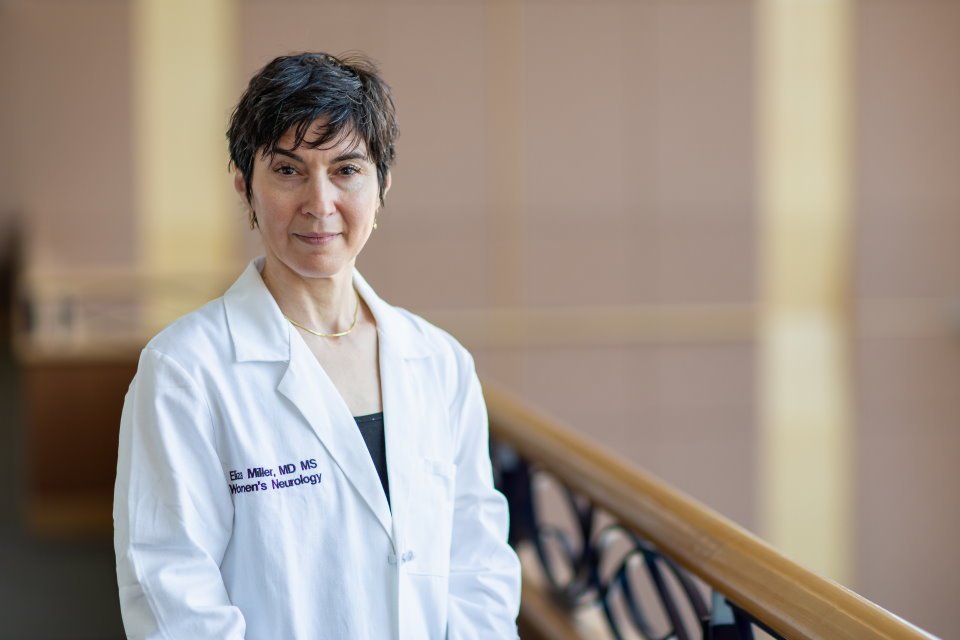
Image credit: UPMC
More than 25% of pregnant or postpartum women who suffered an acute stroke had encounters with health care providers for stroke-related symptoms within the prior month but did not receive a timely diagnosis, finds University of Pittsburgh School of Medicine analysis published in the journal Stroke.
The study highlights a critical opportunity to improve maternal health outcomes through better clinician education and decision-support tools. “Stroke prevention is vital. We must close diagnostic gaps to protect maternal health,” said senior author of the study Eliza Miller, M.D., associate professor of neurology at Pitt and chief of women’s neurology at UPMC, home to a nationally recognized research-driven maternal stroke program. “Our findings show that early warning signs are often missed, especially by clinicians without neurology training, and that education across specialties is essential,” added Miller, who is now leading initiatives to help clinicians who care for pregnant and postpartum patients recognize and respond to potential stroke signs.
Stroke is a leading cause of maternal death and disability worldwide, responsible for at least 1 in 12 maternal deaths. While rare overall, stroke risk rises sharply in patients with preeclampsia, hypertension or other stroke risk factors.
Recommended article
News • Research, diagnostics, therapies
Focus on stroke
Strokes are among the most common cause of death worldwide and one of the most common causes of disability. Mortality rates are decreasing due to improving care. Nevertheless, experts expect the absolute number of cases to rise in view of the ageing population. Read more about current research and treatment options here.
Maternal strokes can take the form of unusual and non-specific symptoms, such as severe headache, neck pain or confusion, contributing to why the warning signs are often missed. To evaluate the prevalence of such missed diagnostic opportunities and develop a roadmap for improvement, Miller and team evaluated the treatment of 135 women with pregnancy-related stroke at five comprehensive stroke centers.
Compared with individuals whose strokes were diagnosed without delay, 30% more patients with missed diagnostic opportunities had seen a healthcare provider in the month before stroke onset. “Our analysis found that nearly half of patients who had seen a healthcare provider prior to stroke diagnosis were evaluated by obstetricians and approximately one third by emergency medicine clinicians,” said Miller. “This, to us, represents a knowledge gap across specialties and reveals an opportunity to expand clinician education to recognize early signs of maternal stroke.”
The study investigators, who included experts in maternal fetal medicine, emergency medicine and stroke neurology, note that the creation of a multicenter patient registry for maternal stroke would make it easier to track risk factors and outcomes. This could ultimately lead to better decision support tools, enhancing physicians’ ability to recognize stroke in this unique population and improving maternal health care outcomes.
“At UPMC and the University of Pittsburgh, we are building one of the nation’s strongest maternal stroke programs, uniting research, clinical care and education to set new standards for women’s brain health,” said Miller. “Our commitment to innovation and cross-disciplinary collaboration means that every mother receives the vigilance and expertise she deserves, and our initiatives are shaping a safer future for families everywhere.”
This project was supported in part by funding from the Helen Gurley Brown Foundation and the Gerstner Family Foundation.
Source: University of Pittsburgh
02.02.2026