Medical-imaging contrast media market booms
Increased incidence of vascular diseases and improved medical-imaging technologies expand the application base for contrast media. According to a new study from US market-research group Frost & Sullivan, sales of medical-imaging contrast media will see an impressive 58 per cent rise until 2013.
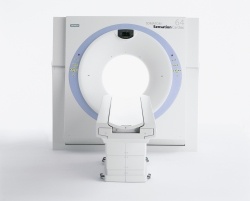
Modern medical-imaging technologies, like MR angiography and CT angiography, improve the diagnosis of cardiovascular disease, which occurs more frequently in an ageing population.
The market is on the move. “Vendors focus on innovative medical-imaging technologies, which require the use of contrast media to reinvigorate their bottom lines,” says A. J. Ajibade, Frost & Sullivan research analyst. “Group purchasing organizations (GPO’s) use their collective buying power to define the market and obtain hefty discounts.”
Sales improve only for some market participants, while vendors not involved in sometimes exclusive GPO healthcare contracts could face financial difficulties.
“But it is imperative, that contrast-media products are compatible with new applications and potential products are not going to be locked out of availability to healthcare providers”, argues Frost & Sullivan. Lobbying efforts should focus on methods, that provide healthcare organizations equal accessibility.
06.08.2007