© Love Employee – stock.adobe.com
Article • Personalised medicine
Gene-editing technologies: from lab to patient
Gene-editing technologies show great promise for medical treatments and research, with the potential to cure thousands of genetic diseases. At the 2025 World Medical Innovation Forum (WMIF) in Boston, leading experts explored the possibilities and challenges of these rapidly advancing tools. The case of Baby KJ Muldoon – an infant treated with a personalised CRISPR therapy developed in just seven months – illustrates both the transformative power of gene editing and the collaborative effort required to bring it to patients.
Article: Cynthia E. Keen
Gene-editing technologies represent a sea change to gene therapy and biomedical research. The potential of their clinical applications is huge, spanning cancer, hematologic, metabolic, lung, cardiovascular, ocular, neuromuscular, and immunological diseases.
2025 has been an impressive year, with tremendous successes both in academia and industry in terms of developing gene editing drugs for patients. Gene-editing researchers and clinicians are treating rare metabolic disorders, advancing therapies for advanced gastrointestinal cancer, improving CAR-T manufacturing and targeting, developing cardiovascular disease treatments to reduce LDL cholesterol levels and to lower serum lipid levels, and eliminating viral DNA causing infections. Additionally, major improvements have been made in CRISPR technology and a variety of gene-editing tools. Specific noteworthy achievements include the first human base-edited medicine and prime-edited medicine therapies.
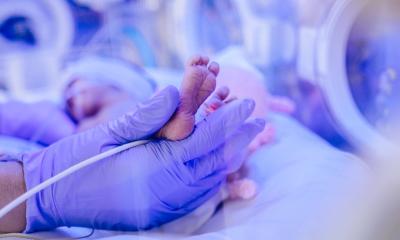
But the most impressive achievement spanning 2024–2025 may be a seven-month-long, high-speed marathon to develop, manufacture, test, obtain FDA approval, and administer a personalised CRISPR gene-editing therapy delivered by lipid nanoparticles to an infant born with neonatal-onset CPS1 (carbamoyl-phosphate synthetase 1) deficiency, a rare, devastating, and potentially deadly genetic mutation affecting one in 1.3 million infants.1 An exemplary panel of pioneering leaders speaking at a session on gene editing at the 2025 World Medical Innovation Forum held in Boston attracted most of its 2,000+ attendees. The session primarily focused on the collaboration of many entities to save the life of Baby KJ Muldoon, and on the hopes and challenges of implementing this amazing technology for numerous genetic diseases.
Base editing, prime editing, and CRISPR
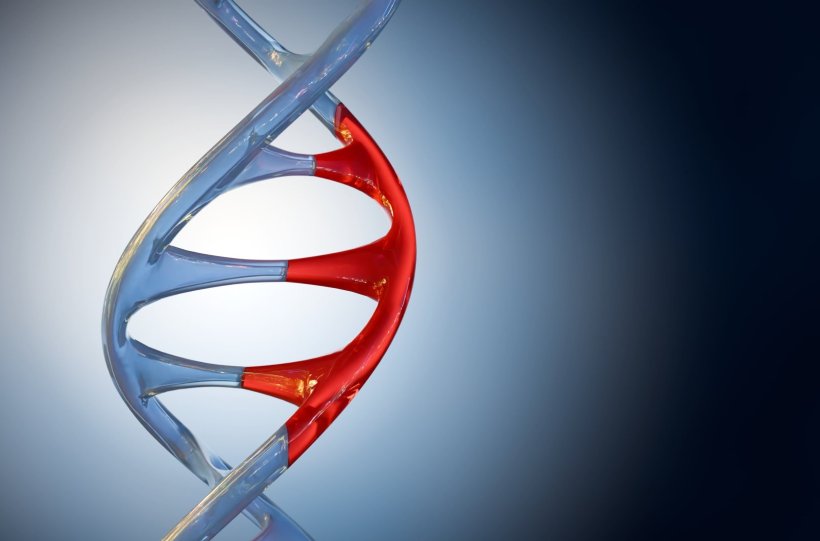
Base editing is a gene-editing technique that directly converts an individual DNA base pair into a different base pair. It makes targeted, one-at-a-time changes to the sequence of a piece of DNA, acting like a pencil at the site of the mutation to “erase” a specific DNA letter and replace it with a different one. Prime editing can make insertions, deletions, and substitutions up to hundreds of base pairs long in the genome. Both techniques were developed in the lab of panellist David Liu, PhD, Professor at the Broad Institute and director of the Merkin Institute for Transformative Technologies in Healthcare in Cambridge, Massachusetts. CRISPR/Cas9 is a gene-editing technology that cuts DNA and harnesses natural DNA repair processes to precisely modify and correct the gene or introduce an entirely new one.
CRISPR/Cas9 consists of an enzyme that acts as “molecular scissors” to cut DNA at a location specified by a guide RNA, a type of ribonucleic acid that is an essential molecule in cells. Base editing and prime editing can potentially address more than 90% of pathogenic variants in genetic diseases that collectively affect hundreds of millions of people worldwide.2 The goal is to develop therapies that can be safely and cost-effectively manufactured so that gene therapy use in future years will be as common as taking prescription statin medication to lower cholesterol.

© Children's Hospital of Philadelphia
Baby KJ Muldoon: the first human personalised gene-editing treatment recipient
Panel moderator Ben P. Kleinstever, PhD, Associate Professor of Pathology at Harvard Medical School and an associate investigator at the Center for Genomic Medicine (CGM) in Boston, and participants lauded the historic medical breakthrough that Baby KJ’s treatment represents: the first successful personalized gene-editing treatment in a human.2
This is a remarkable testament to how robust some aspects of the gene editing enterprise for human therapeutics are
David Liu
Baby KJ was born with CPS1 deficiency. CPS1 is an enzyme that catalyses the first step of the urea cycle, a process in the liver that converts ammonia from the breakdown of proteins into urea. The urea is excreted by the kidneys to prevent a buildup of toxic ammonia. The CPS1 deficiency is caused by a genetic mutation and has an estimated mortality of 50%.
‘The most impressive fact from the Baby KJ story is that no new science had to be developed,’ said Dr. Liu. ‘The scope of work from inception would ordinarily take seven years. However, what is impressive is that academic researchers, manufacturers, and regulatory agencies worked closely together. This is a remarkable testament to how robust some aspects of the gene editing enterprise for human therapeutics are.’
Omar Abudayyeh, PhD, Director of Gene Editing at the Mass General Brigham Gene and Cell Therapy Institute, said that going from concept to deployed drug in a person within six months is ‘incredible’, and shows that the systems are in place to do so. ‘To take this technology and get it to work as a therapy is very difficult,’ he said. ‘There is much complexity to make an actual drug product. A gene editing modality is not just a single thing you can inject into something, and it will work. You have to figure out how to express protein components and the piece of guide RNA that targets the protein to get to the right place. Then you have to figure out how to package this together in a way that it will get to the right cell type, such as by using lipid nanoparticles.’
Steve Favaloro, chairman and CEO of Genezen, which develops methods to formulate, manufacture drugs, perform quality control, and maintain the integrity and safety of drugs’ chemical substances, agrees. ‘The underlying science is impressive, but then we as CMC manufacturers (Chemistry, Manufacturing, and Control) are challenged with process development that will guarantee safety and repeatability.’
He added, ‘We are getting to a place where gene editing has standard manufacturing processes that is enabling regulatory agencies to be more comfortable with their approvals. The speed of approval by the U.S. Food and Drug Administration (FDA) would not have been possible for Baby KJ’s treatment if it had not worked with these types of gene editing drugs from pioneers like Verve and Intellia Therapeutics.’
Laura Sepp-Lorenzino, PhD, Scientific Advisor and Executive Vice President at Intellia Therapeutics, a company developing curative genome editing treatments, was Chief Science Officer during the time that the clinical-stage genome editing company was pioneering the development of novel, potentially curative medicines using CRISPR-based technologies. In June 2021, the company made global headlines that its CRISPR-based treatment was successfully implemented with the first six patients in the world who had a genetic nerve disorder.
Platformization: A key to scalability
Dr Sepp-Lorenzino emphasized that because robust precedents were in place, and because preclinical data existed to show the safety of gene editing therapy, the Baby KJ collaborators could utilise that. She advocates platformization – a concept where a standardized reproducible technology handles common elements and researchers can rapidly swap in different therapeutic genes to target various diseases. Platform-based manufacturing solutions are emerging as a key strategy to reduce R&D risk and cost and enable commercial scalability.
This may make the development of gene editing treatments for smaller disease populations financially feasible and commercially scalable
Trevor Martin
‘There are almost 7,500 known genetic diseases, of which over 4,500 are believed to be caused by a mutation in a single gene,’ commented Trevor Martin, PhD, co-founder and CEO of Mammoth Biosciences of Brisbane, California, a biotech company developing curative therapies based on its ultracompact CRISPR systems. ‘What’s gone largely under the radar is that the FDA has been moving forward with platform designations that have the potential to really accelerate patient access to life-changing medicines.3 There is a lot of promise with gene editing because many of the same building blocks may be used for many of these monogenic mutations. This may make the development of gene editing treatments for smaller disease populations financially feasible and commercially scalable.’
The field of gene editing therapy is moving at a very fast pace, with more than 20 clinical trials currently ongoing. The panellists believe that with a combination of breakthroughs in both research and manufacturing, and the adoption of platformization, the costs will be reduced and the feasibility of delivering gene editing therapy will increase. Gene editing technologies are expected to work for most mutation types.
Dr Liu hopes that this will motivate a change in investment to develop cures for mutational diseases. He pointed out: ‘About 50 million people are living with cancer. The global investment being made to cure cancer is about $10,000 per person per year. It’s about $500 per patient who has HIV/AIDS. Yet only $3 per year is being spent on diseases that affect 400 million people living with rare genetic mutations. We believe that gene editing in the next 5 to 10 years has the potential to be transformational.’
Profiles:
Omar Abudayyeh, PhD, is Director of Gene Editing at the Mass General Brigham Gene and Cell Therapy Institute, an Assistant Professor of Harvard Medical School, and a faculty member of the Department of Stem Cell and Regenerative Biology at Harvard University. He is co-director of the Abudayyeh-Gootenberg Lab, which investigates programmable systems in biology for the development of molecular tools, diagnostics, and therapeutics.
Steve Favaloro is chairman and CEO of Genezen, a gene and cell therapy Contract Development Manufacturing Organization (CDMO) focused on advancing gene and cell therapies through development and manufacturing. The Indianapolis, Indiana-headquartered company partners from concept to commercial availability and scaling to produce life-saving gene and cell therapies.
David R. Liu, PhD, is the Thomas Dudley Cabot Professor of the Natural Sciences at Harvard University, Richard Merkin Professor and director of the Merkin Institute of Transformative Technologies in Healthcare, vice chair of the faculty at the Broad Institute of MIT and Harvard, and a Howard Hughes Medical Institute (HHMI) investigator. His major research interests include the engineering, evolution, and in vivo delivery of genome editing proteins such as base editors and prime editors to study and treat genetic diseases; the evolution of proteins with novel therapeutic potential using phage-assisted continuous evolution (PACE); and the discovery of bioactive synthetic small molecules and synthetic polymers using DNA-templated organic synthesis and DNA-encoded libraries.
Laura Sepp-Lorenzino, PhD, is Scientific Advisor, Executive Vice President and former Chief Scientific Officer at Intellia Therapeutics. She is an At-Large Director of the American Society of Cell + Gene Therapy (ASGCT). A leader in drug discovery and development of small molecule and oligonucleotide therapeutics, Dr Sepp-Lorenzino's career has spanned over 30 years in academic and industrial settings.
Trevor Martin, PhD, CEO and cofounder of Mammoth Biosciences, started the company with the mission to enable the next generation of ultracompact CRISPR systems to develop potential long-term curative therapies for patients with life-threatening and debilitating diseases. These include a novel class of ultracompact systems designed to be more specific and enable in vivo gene editing in difficult to reach tissues, utilising both nuclease applications and new editing modalities beyond double-stranded breaks.
References:
- ClinGen Clinical Genome Resource. Pediatric Summary Report. https://actionability.clinicalgenome.org/ac/Pediatric/ui/stg2SummaryRpt?doc=AC1046; Accessed October 26, 2025.
- Musunuru K, Granidette SA, Wang X, et al. Patient-Specific In Vivo Gene Editing to Treat a Rare Genetic Disease. N Engl J Med. 2025;392(22):2235-2243. https://doi.org/10.1056/nejmoa2504747
- Brooks PJ, Ottinger EA, Portero D, et al. The Platform Vector Gene Therapies Project: Increasing the Efficiency of Adeno-Associated Virus Gene Therapy Clinical Trial Startup. Hum Gene Ther. 2020;31(19-20):1034–1042. https://doi.org/10.1089/hum.2020.259
11.01.2026