


© Anna Shvets – pexels.com
News • Communication toolkit
Antibiotic resistance: SMART metaphors to drive awareness, behaviour change
Experts at the University of Leicester have designed a special communication toolkit aimed at raising awareness of antimicrobial resistance.
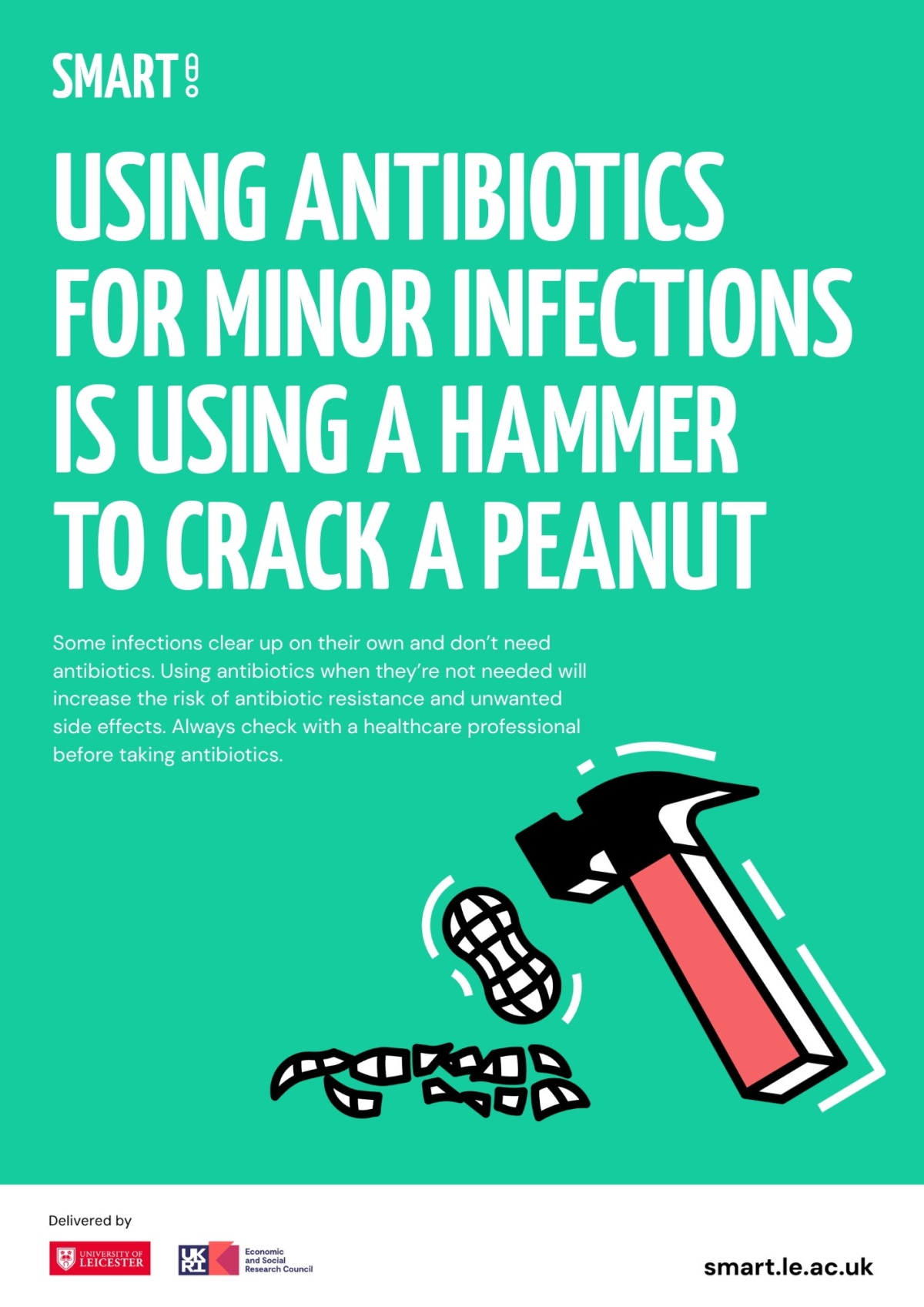
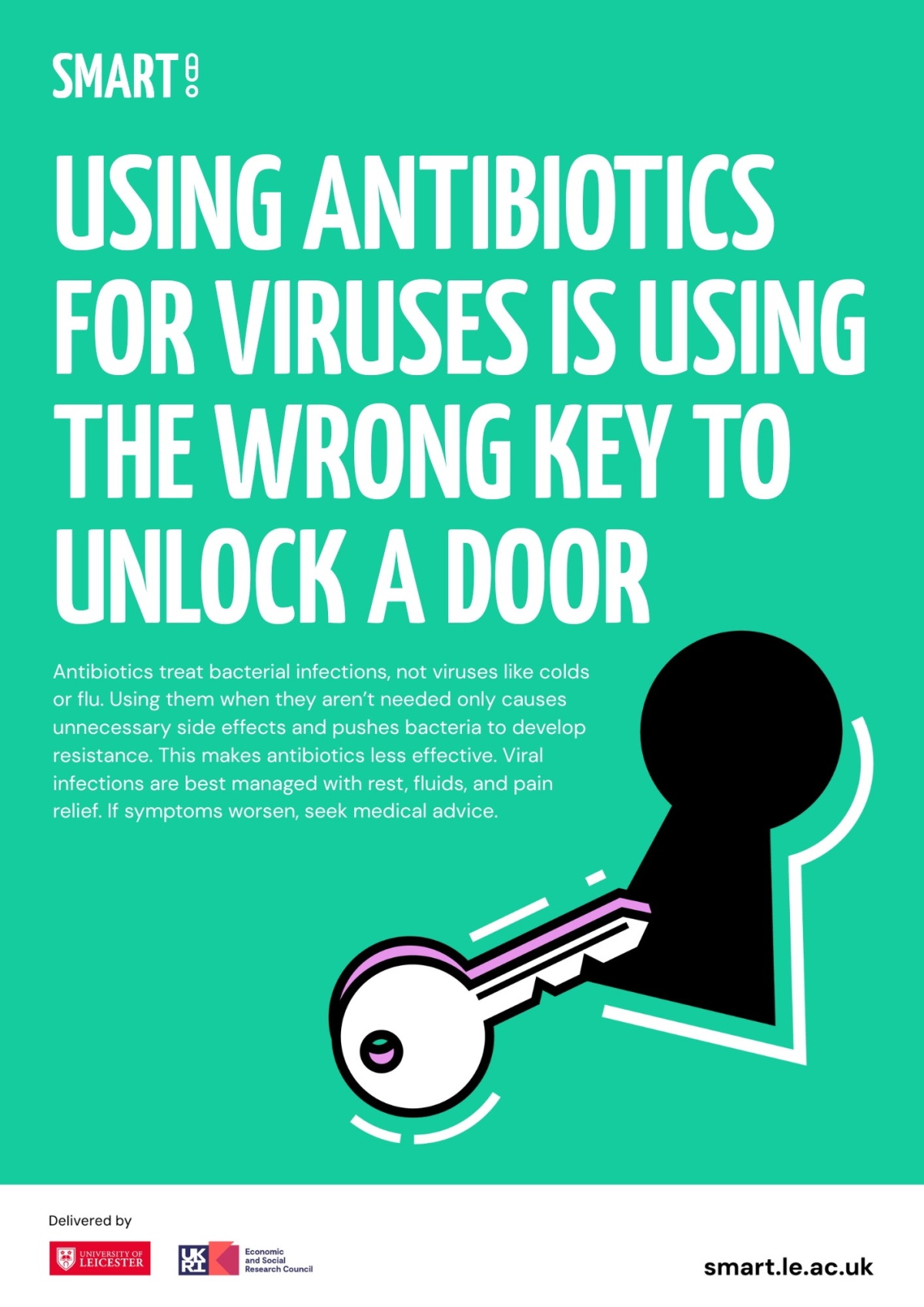
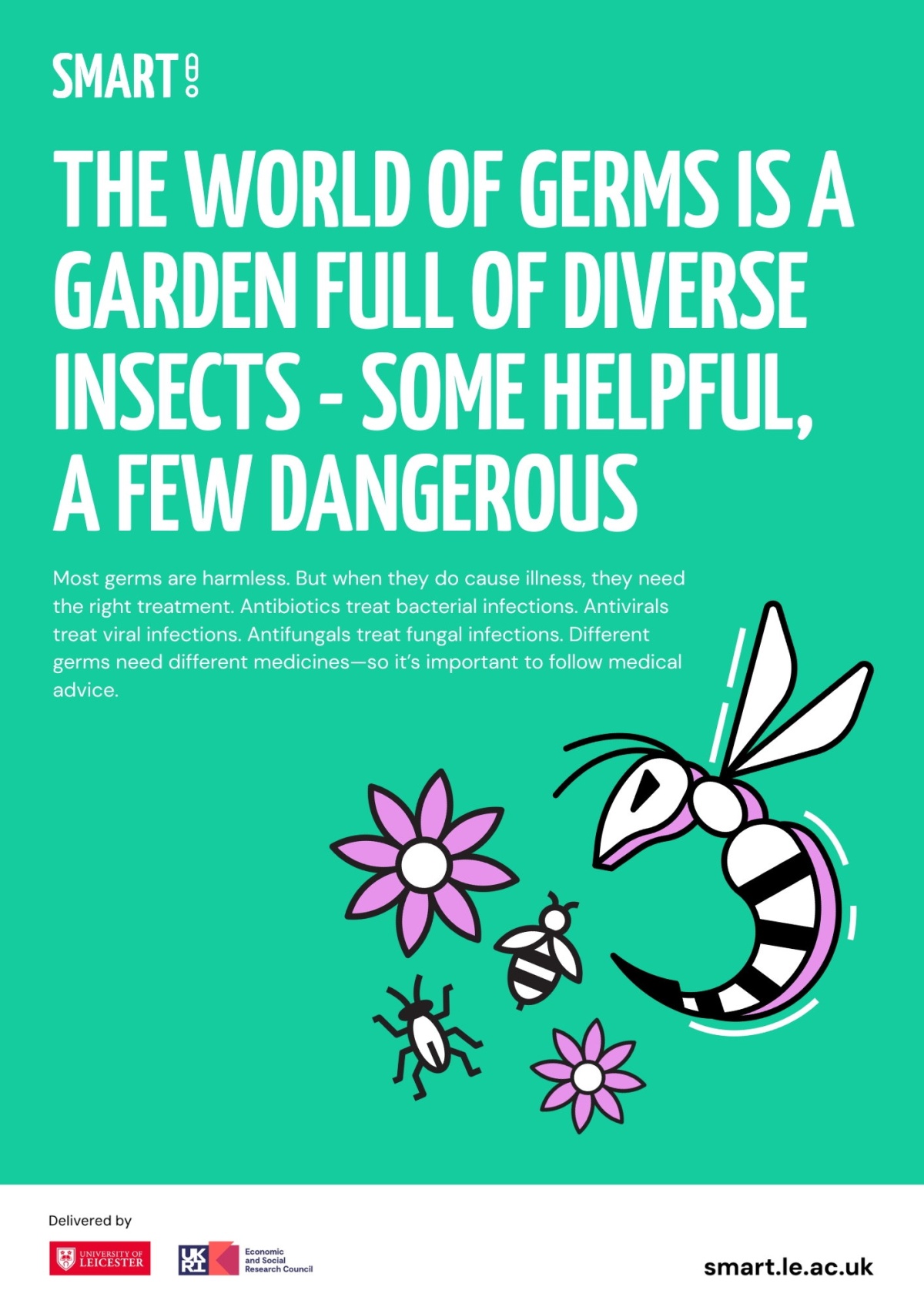
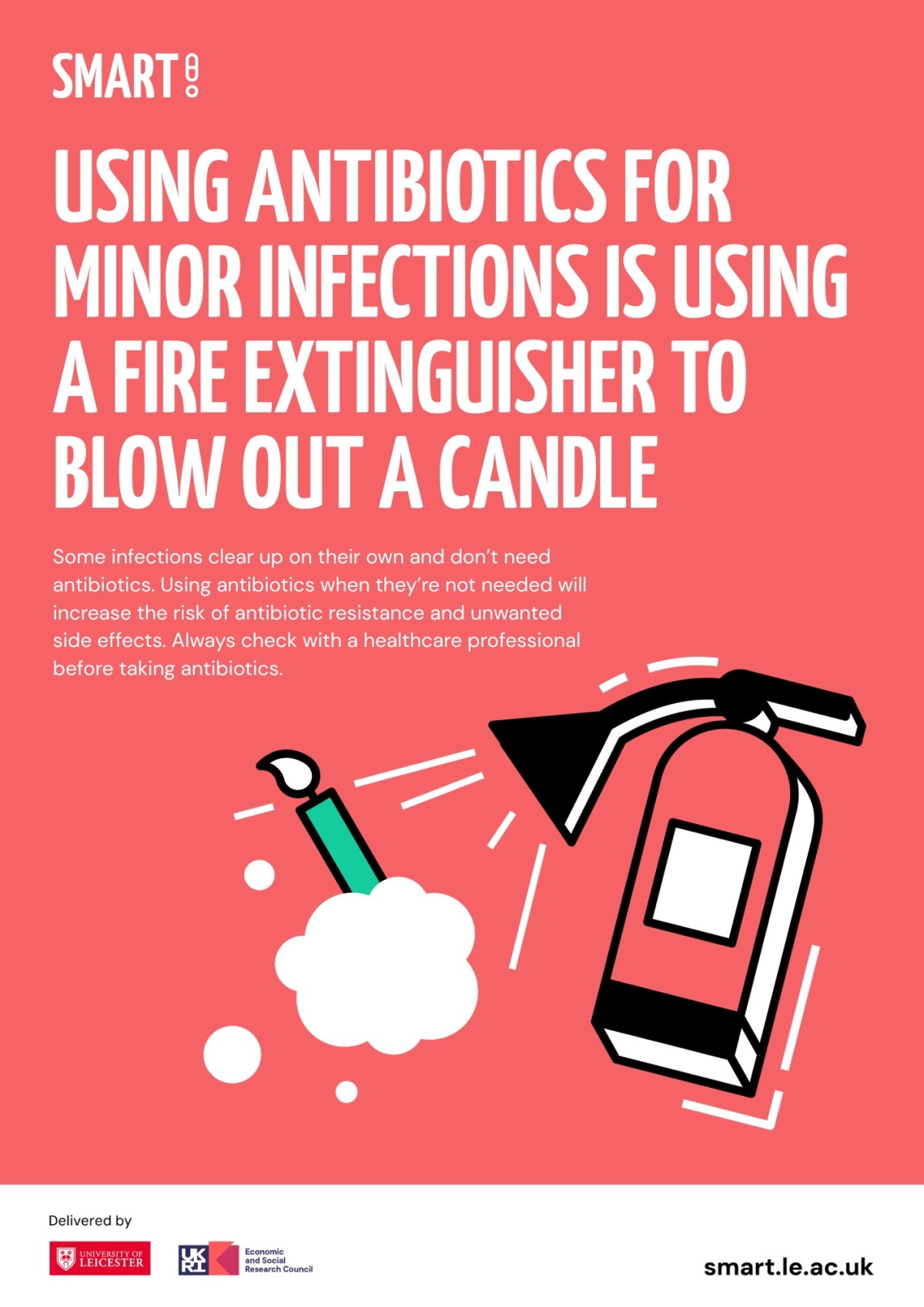
The online toolkit contains simple but powerful metaphorical messaging with downloadable posters using wording and graphics such as “Using antibiotics for minor infections is using a fire extinguisher to put out a candle.”
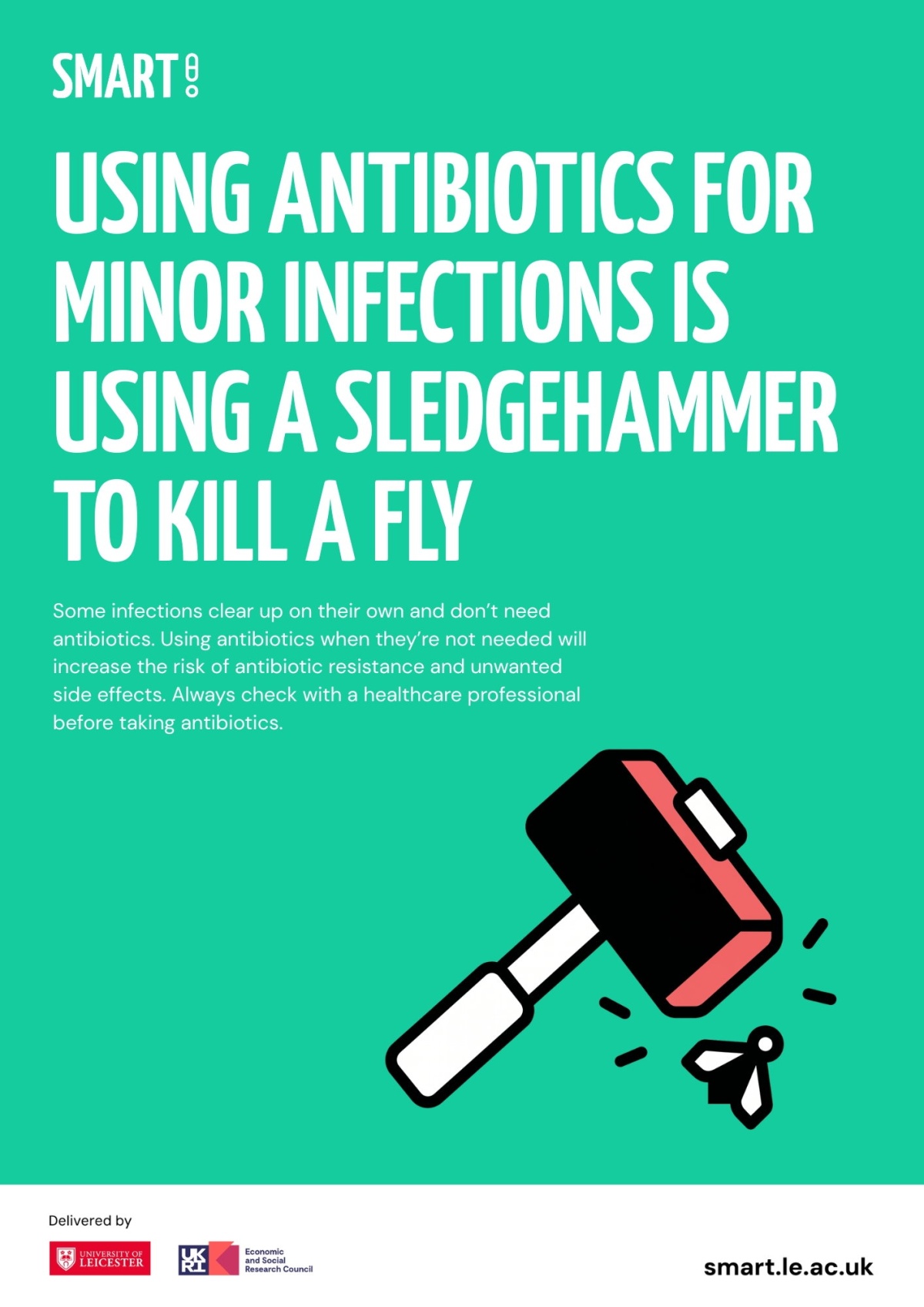
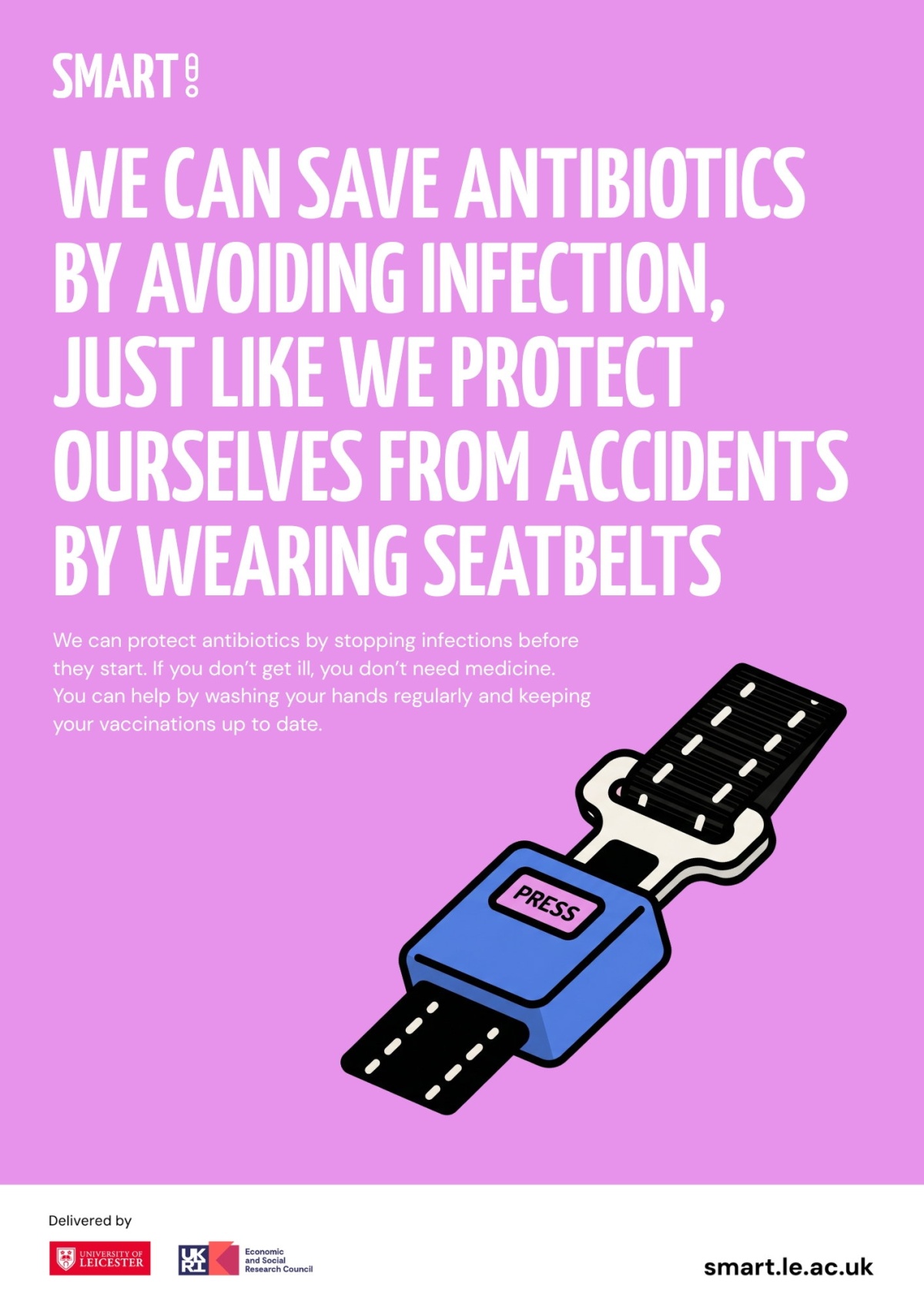
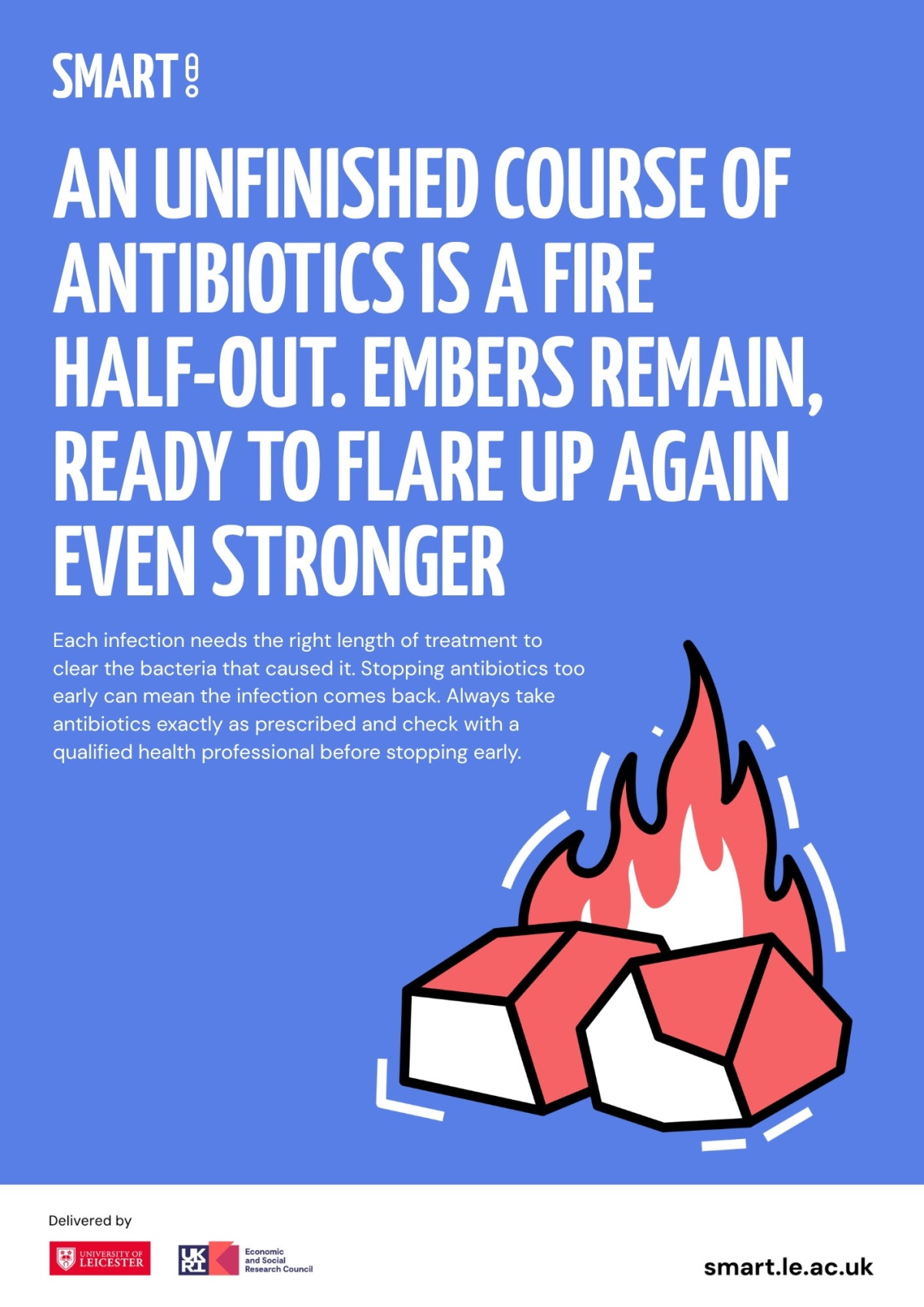
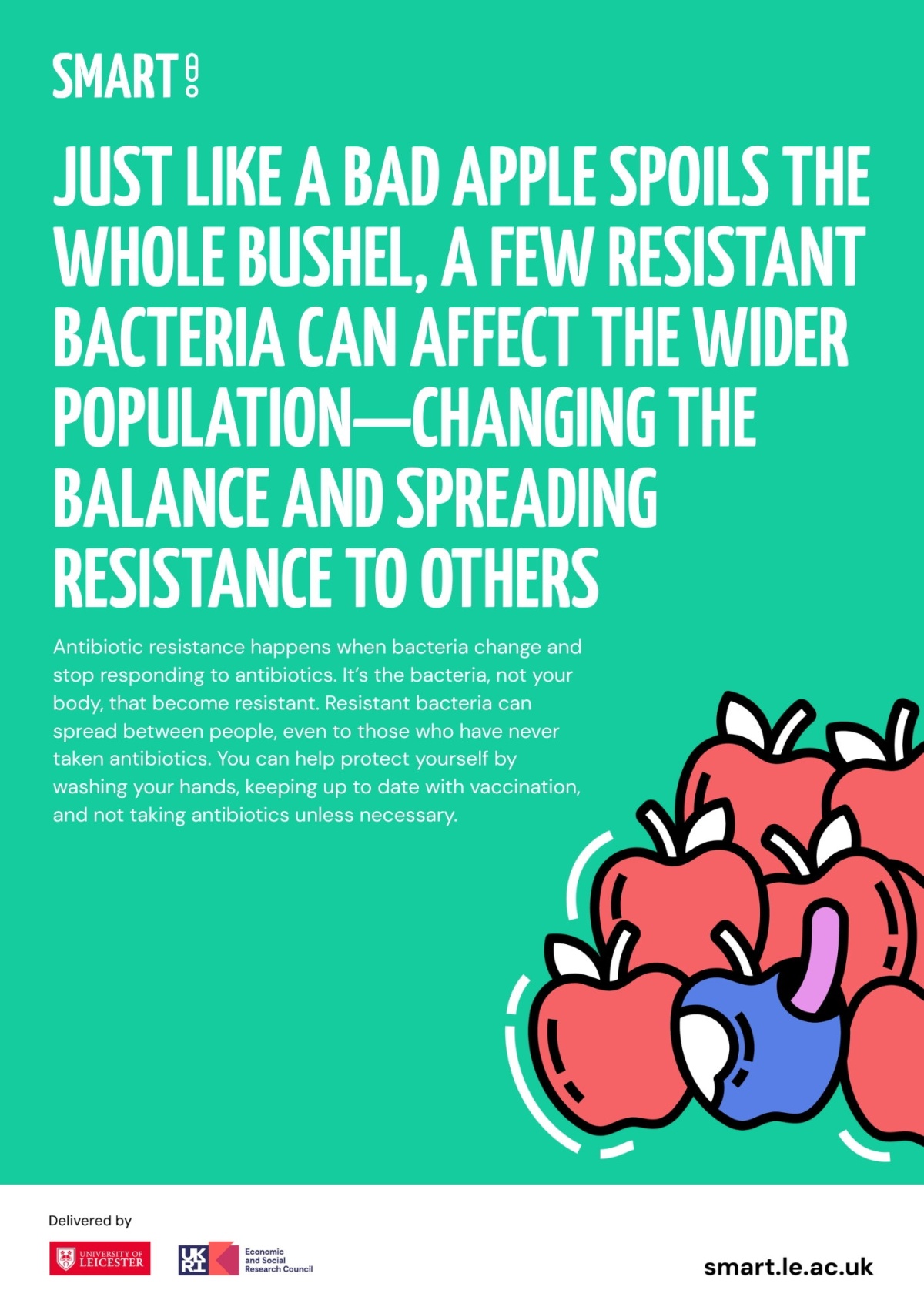
Studies show that the public is failing to take antimicrobial resistance seriously, despite an estimated 4.95 million deaths associated with it in 2019.
Antimicrobial resistance describes the process of microorganisms like bacteria, viruses, fungi, and parasites - evolving to survive the medicines (antibiotics, antivirals) designed to kill them. This ‘resistance’ makes standard infections harder to treat, increasing the risk of severe illness, further spread of the disease, and death. This global health care threat is predicted to increase, eventually making it impossible to treat even common infections and is now a high priority for the World Health Organization (WHO) to address.

Image source: University of Leicester
Dr Eva Krockow, Associate Professor of Psychology in the School of Psychology of Vision Sciences at the University of Leicester, is also a member of the Antimicrobials: Behaviour and Cognition (ABC) Network, a network of researchers interested in the role human behaviours play in spreading antimicrobial resistance.
She has led the work behind the new toolkit known as SMART: Strategic Metaphors for Antibiotic Resistance Toolkit and says: “We hope that public health professionals or healthcare organisations with limited budgets or expertise in behavioural sciences can download the free resources and disseminate them among different lay audiences including patients - either through printable posters or electronically via social media channels.
“Healthcare campaigns urgently need to increase public awareness around this important issue and we hope these resources will make that easier and more likely to happen by encouraging behaviour change among the general public and among healthcare professionals themselves who may feel pressured to prescribe medicines to patients that are really not necessary and only add to the problem. Recent studies involving patient, doctor and international expert communicators, suggest that rather than startling the public with alarmist words and imagery to create behaviour change, the use of intuitive metaphor offers a more relatable and culturally relevant alternative.”
Recommended article

News • Health communication on AMR
How to improve public understanding of “antimicrobial resistance”? Rename it
A new study on public health communication shows that the term commonly used to describe bacteria resistant to current medicines or antibiotics fails to stick in people’s memories.
The toolkit forms part of a package of work funded by a grant from the Economic and Social Research Council (ESRC) which aims to promote public health literacy about antimicrobial resistance.
Source: University of Leicester
24.05.2026