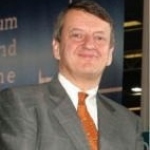
The 31st ISICEM
Jean-Louis Vincent, Chairman of the Dept of Intensive Care, Erasme Hospital, Université Libre de Bruxelles, welcomes visitors to this year’s International Symposium on Intensive Care and Emergency Medicine.



Jean-Louis Vincent, Chairman of the Dept of Intensive Care, Erasme Hospital, Université Libre de Bruxelles, welcomes visitors to this year’s International Symposium on Intensive Care and Emergency Medicine.
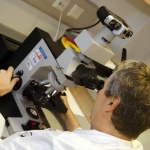
Different tests bring different results, and results of the same types of test vary from laboratory to laboratory. "In the case of test procedures for autoimmune diseases there are incredible discrepancies," confirmed Professor Manfred Herold, head of the Laboratory for Rheumatism at the University Clinic for Internal Medicine One, Innsbruck. The reason: "There are no standards for…
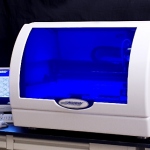
Improvements in microfluidics and detection technologies are beginning to expand the range of point-of-care diagnostics beyond simple blood chemistry tests to sophisticated immuno-assays and molecular diagnostics. Though yet to see much adoption in European hospitals, these point-of-care (POC) diagnostics are coming into use in the USA, initially in emergency rooms and ICUs where fast results are…
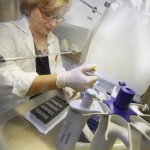
Prior to October’s 3rd Annual Congress of the Austrian Society for Laboratory Medicine and Clinical Chemistry in Salzburg, Austria, laboratory experts conveyed their opinions in an interview with Michael Krassnitzer from European Hospital.
Does diabetes further increase the risk of death in patients diagnosed with cancer? A team at the Johns Hopkins School of Medicine in Baltimore, Maryland, has discovered something very sobering: Cancer patients are 51% to 85% more likely to die after surgical resection if they had pre-existing diabetes.
The MRSA problem has been ignored almost stoically in many European countries for the past 20 years. Thus the number of resistant Staphylococci cases exploded from 1% in 1990 around 25% in 2010. However, the recognition that an infection can result in additional hospital costs of up to €10,000 has led to a change in thinking. The Netherlands, for example, declared war on MRSA with ‘search and…
Professor Norbert Suttorp and his team at the Clinic for Infectology and Pneumonology, Charité University Hospital Berlin, have been working on the understanding of the basic mechanisms of inflammation and infection -- and utilising them. Professor Suttorp has been working for many years on questions relating to the subject Therapy in addition to antibiotics.
The UK, Denmark, Ireland, Sweden and the Netherlands already have it - an official obligation to report MRSA cases to their health authorities. Since 1 July 2009 German law has also required notification. Professor Herbert Hof, Director of the Institute for Microbiology and Hygiene at the University Hospital Mannheim, Germany, explained why such notification became essential.
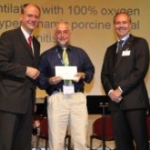
At this year's Euroanaesthesia 2009, in Milan, the European Society of Anaesthesiology (ESA) presented for the third time the “Dräger Award for Intensive Care Medicine”. The 10,000 Euro prize went to the working group studying “Effects of ventilation with 100% oxygen during early hyperdynamic porcine fecal peritonitis” in the Department of Anesthesiology, University Hospital Ulm, Germany.
For the first time in 33 years, wound healing was the focus of a dedicated session at the 33rd annual VEITHsymposium for vascular surgeons in New York (11/06). This underscores the fact that wound healing is heading increasingly towards a speciality that warrants the special attention of dedicated people willing to embrace an interdisciplinary approach to non-healing or complex wounds.

There is a need for a national institue to co-ordinate education and certification in minimally surgery.
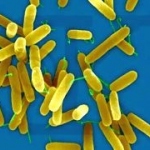
Is a sharp weapon being blunted? Article by Heidi Heinhold.
It is the largest meeting of its kind with 5,000 participants.

The 25th International Symposium of Intensive Care and Emergency Medicine, to be held at the Congress Centre in Brussels, will see us celebrate our Silver Anniversary, when we will reflect on 25 years of meetings that have encouraged the presentation, discussion, and debate of intensive care medicine, and when we also look forward to what the next 25 years may bring.
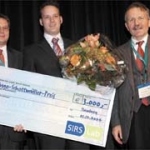
Germany - The third Hugo Schottmüller Prize, awarded by the German Sepsis Society (DSG), has been presented to Dr Marc W Merx, of the Rheinisch-Westfälische Technical University (RWTH) Hospital, Aachen, for his paper 'HMG-CoA Reductase Inhibitor Simvastatin Profoundly Improves Survival in a Murine Model of Sepsis', published in the journal Circulation.