

© Peakstock – stock.adobe.com
Article • Implementation of clinical artificial intelligence
One AI, one radiologist: How a Swedish hospital beat breast screening backlogs
When radiologists at Stockholm's Capio Sankt Görans Hospital began working evenings and weekends to clear mounting backlogs, it became clear that something had to change. The solution? Replacing one of the two radiologists traditionally assigned to read breast cancer screenings with artificial intelligence (AI). The results: fewer false positives, more cancers detected, and radiologists finally freed from after-hours work. At the European Society of Breast Imaging (EUSOBI) meeting in Aberdeen this September, Dr Karin Dembrower detailed the transition in her department.
By Mark Nicholls
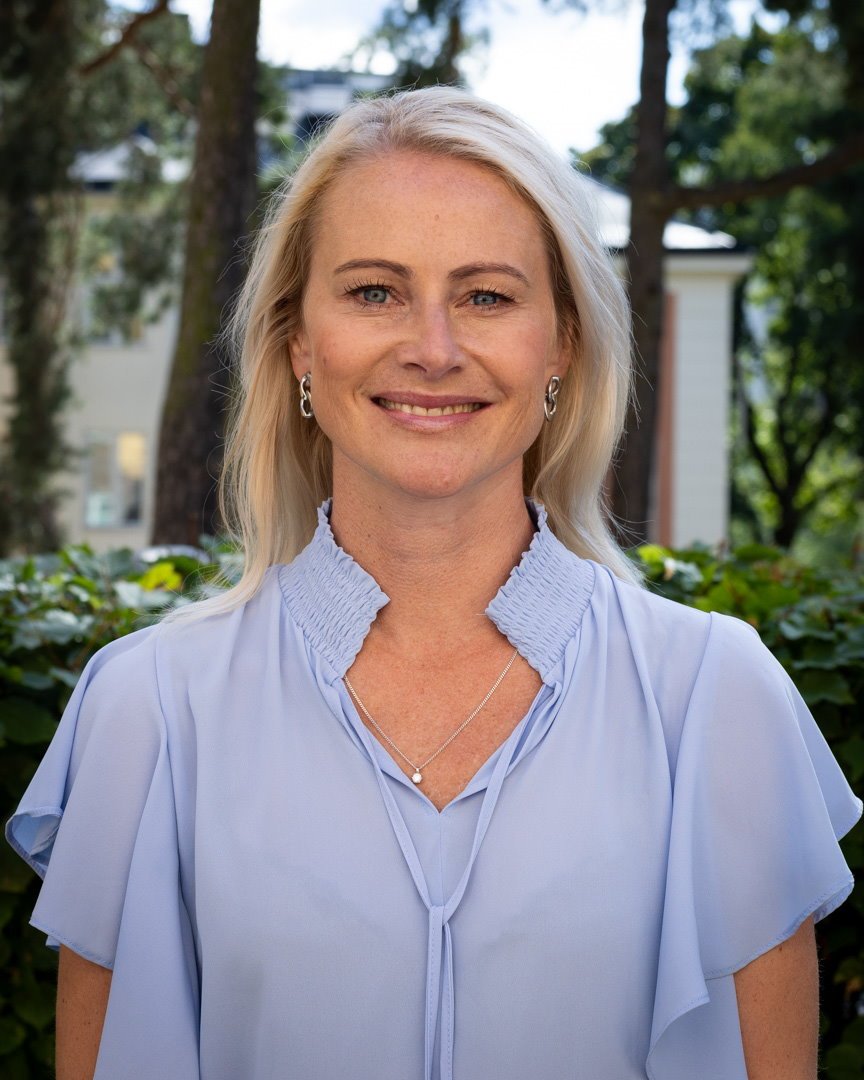
Image source: Karolinska Institutet
Head physician at the Department of Breast Radiology, she explained how the implementation had followed rigorous clinical trials and testing before deployment. She said the deployment had improved workflow and eased workload on radiologists who were previously working evenings and weekends to tackle waiting list queues. Her presentation was part of a session with a series of expert speakers examining how AI technology can support breast radiology departments across Europe.
The ScreenTrustCAD trial
Dembrower explained that in Sweden, all women aged 40-74 are invited for screening every second year. That sees 80,000 women invited a year to her site with 75-80% attendance. The standard of care for assessing screening mammograms traditionally saw two radiologists reading all mammograms, with 70% of all cancer cases detected within the screening programme. But with a shortage of breast radiologists, the hospital wanted to explore if AI could address the key challenges.
The ScreenTrustCAD trial was launched in April 2021 to assess whether AI in mammography screening can replace one of two radiologists in a double-reading setting. It ran to June 2022 with 55,581 women participating. Three strands saw: two radiologists reading scans, one radiologist with AI, and an AI-only track. The two radiologists recalled 1629 women; AI plus one reader recalled 1556; and AI-only recalled 50% of those (861).
Dembrower said: ‘Two radiologists found 250 cancer cases, AI plus one reader found 261, and AI-only found 246. The advanced cancer cases of more than 2 cm that were node positive were 77 for two readers, 81 for AI plus one reader, and 78 for AI-only. ‘These results were good and with a method better than the existing one, we started the process of implementing AI at our site.’ That saw one reader replaced with AI in the mammography screening process. Having worked with relevant authorities and vendors to ensure robust and secure IT systems, and an ethical and legal framework, the system went live in June 2023.
From trial to clinical practice
Performance so far has seen the recall rate fall by 26%, false positives decrease by 13%, an increase in the cancer detection rate among recalled women of 55.5%, and the overall cancer detection showing a 12.2% rise. The change also saw task shifting with a greater focus on diagnosed women and no more waiting queues or out-of-hours working for radiologists. Dembrower also cited examples of women who had cancers picked up with a radiologist working alongside AI that may have been difficult to see with the human eye.
The expert conceded there was initial scepticism among colleagues but with AI, her department now has ‘another tool to help us make the best decisions.’
For a successful implementation she said a hospital environment that has a culture of promoting curiosity and innovation is key. ‘We were lucky that we could take AI from research to clinical practice early and I think it is good to have researchers that are clinically active because it is easier to implement different projects,’ she said.
The key question remains: who is responsible, who decides? ‘In this case,’ she said, ‘the radiologist is the lead and the decision maker.’ With the success of the ScreenTrustCAD study with the AI plus one reader track, the focus is now shifting to the potential of the AI-only track.
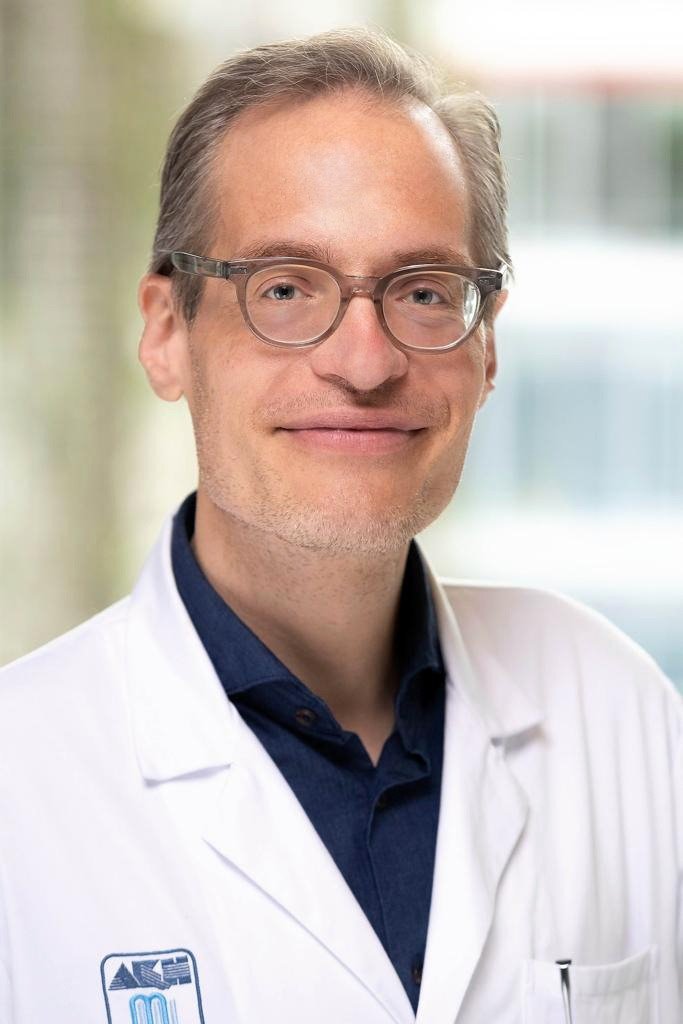
Image source: MedUni Wien
The session also heard from Professor Pascal Baltzer from the Department of Biomedical Imaging and Image-guided Therapy at Vienna General Hospital who looked at AI in screening from the perspective of the latest trials. He said a key factor in AI in screening was the shortage of radiologists and a rising workload, though he also noted that digitalisation has allowed radiologists to be faster in reporting. He also pointed to a UK workforce census that indicated a 29% shortfall in radiology consultants at a time that imaging demand was growing by 8%.
However, while AI has potential for improved cancer detection and workflow efficiency, he warned of a risk of “over-enthusiasm” and that robust evidence is needed.
He discussed a number of trials including a meta-analysis comparing AI screening with radiologists, the MASAI and ScreenTrustCAD trials from Sweden, alongside studies from Denmark, Germany, Hungary and South Korea, comparing AI systems to radiologists’ performance. In a summary of the evidence for AI in screening, he said it is regularly superior for cancer detection; that recall and false positives were stable or reduced; there is a significant workload reduction; but evidence is still short-term on interval cancers and overdiagnosis.
Giving his final verdict, Baltzer told delegates: ‘AI is ready to assist, not yet intended to replace radiologists but the evidence supports use of AI in screening very clearly. The next step is the interval cancer data and legal clarity is also needed but these are all processes where radiologists should be integrated as much as possible.’
Profiles:
Dr Karin Dembrower is the head physician at the Department of Breast Radiology, Capio Sankt Görans Hospital in Stockholm and has been working as a dedicated breast radiologist since 2016. Her scientific work is focused on assessing how AI can be implemented to improve cancer detection and breast cancer risk estimation.
Pascal Baltzer is Professor for magnetic resonance radiology at the Medical University of Vienna and has been a radiologist at the Department of Biomedical Imaging and Image-guided Therapy at MedUni Vienna since 2012. His scientific focus is on magnetic resonance imaging (MRI) and he is internationally-recognised for his work on breast, bladder and prostate imaging.
13.01.2026