News • Promising results for low-risk women
Radiotherapy advances may let breast cancer patients skip surgery
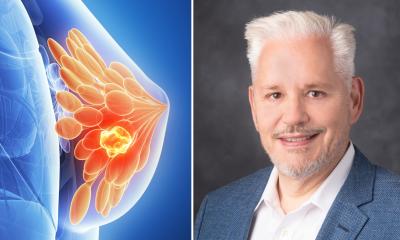
A select group of patients with early-stage breast cancer were able to omit surgery with no tumor progression after three years, according to results of a Phase 2 trial of ablative radiation therapy and endocrine therapy led by researchers at The University of Texas MD Anderson Cancer Center.

Image source: The University of Texas MD Anderson Cancer Center
The findings, published in the journal Radiotherapy and Oncology, were presented by Simona Shaitelman, M.D., professor of Breast Radiation Oncology, during a proffered paper session at the Congress of the European Society for Radiotherapy and Oncology (ESTRO 2026).
“Historically, treatment de‑escalation in breast cancer has focused on reducing hormone therapy duration or the amount of radiation,” Shaitelman said. “What’s exciting now is that advances in radiation delivery are opening the door to entirely new, non‑operative approaches that many patients have been asking about.”
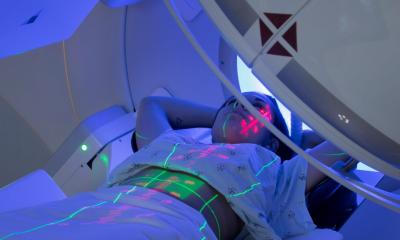
The potential for some patients to avoid surgery is possible because of significant advances on multiple fronts. Improvements in how radiation is delivered have allowed radiation oncologists to deliver higher, and more accurate, doses, which not only makes the treatment more effective but also decreases the number of visits required for patients. At the same time, knowledge of breast cancer biology has evolved to the point where clinicians have a much better understanding of which patients are likely to respond to which types of treatment, and which combination treatments can be effective together. In this subset of patients, initial treatment with endocrine therapy can shrink tumors and make them even more sensitive to radiation, improving the effectiveness of the radiation therapy to the point that some tumors can be eliminated without a need for surgery.
Recommended article
Article • Research, diagnostics, treatments
Focus on breast cancer
Breast cancer (breast carcinoma; often abbreviated as BRCA) is the most common cancer in women in many countries and the cancer with the highest mortality rate. The diagnostic and therapeutic options for breast cancer are correspondingly diverse. Keep reading for latest developments in early detection, staging, treatment and research.
In this trial, 20 patients with a median age of 71 underwent three months of endocrine therapy followed by radiation therapy delivered in five high-dose fractions. All patients had stage 1 unicentric hormone receptor positive (HR+), HER2-negative breast cancers with favorable tumor biology. Of those, 19 patients underwent biopsies, with 10 (53%) demonstrating a pathologic complete response. In the patients who had a complete response and did not have surgery, no breast-cancer related deaths were reported, and the tumor control rate was 100% at a median follow-up of over three years.
Radiation therapy is widely accessible around the world, yet its full potential as a definitive treatment for breast cancer hasn’t been fully explored
Simona Shaitelman
Three significant biomarkers were observed that predicted responses. Patients with smaller tumor size after initial hormone therapy, those with greater volume reduction before radiation, and those with tumors that more strongly expressed estrogen were more likely to have complete responses.
According to Shaitelman, the data in this study warrant a larger multi-institutional study to further evaluate this approach. Additional research would better identify the most appropriate breast cancer patients who are both interested in and best served by a non-operative approach.
“Radiation therapy is widely accessible around the world, yet its full potential as a definitive treatment for breast cancer hasn’t been fully explored,” Shaitelman said. “With more than two million women diagnosed each year, patients have varied goals and preferences, and it’s critical that we rigorously study non-surgical options to see whether they can deliver outcomes comparable to standard breast surgery.”
Source: University of Texas M. D. Anderson Cancer Center
20.05.2026