

Image cortesy of ASTRO
Article • Beyond drugs and surgery
Radiation for joint pain? Study validates low-dose approach for knee osteoarthritis
The concept of using radiotherapy for osteoarthritis may seem counterintuitive for many clinicians. Yet a well-designed randomised controlled trial presented at the 2025 ASTRO Annual Meeting in San Francisco suggests that low-dose radiotherapy deserves a closer look. The findings add robust evidence to a therapeutic approach that has long been underutilised outside of German-speaking countries.
Special report: Cynthia E. Keen
Low-dose radiotherapy (LDRT) is not a treatment that is commonly associated with osteoarthritis (OA), the degenerative joint disease affecting nearly 600 million people worldwide.1 Yet radiation has been used to treat osteoarthritic chronic inflammation and pain since the early 1900s, predominantly in Germany and several nearby European countries.2
For many patients for whom conventional therapies have been ineffective, LDRT offers the potential advantages of providing long-lasting, non-invasive symptomatic relief and avoidance of drug-related side effects. LDRT reduces the effects of chronic inflammatory processes and has a positive impact on the bone metabolism, supporting bone growth and diminishing bone degradation.
The primary reason LDRT is underutilized is due to the lack of rigorous clinical and safety data, and standards relating to dose and dose regimens. Biological evidence from randomised clinical trials incorporating placebo control groups is inadequate. Reported treatment effectiveness varies.
Seoul study: 3 Gy outperforms sham and low-dose arms
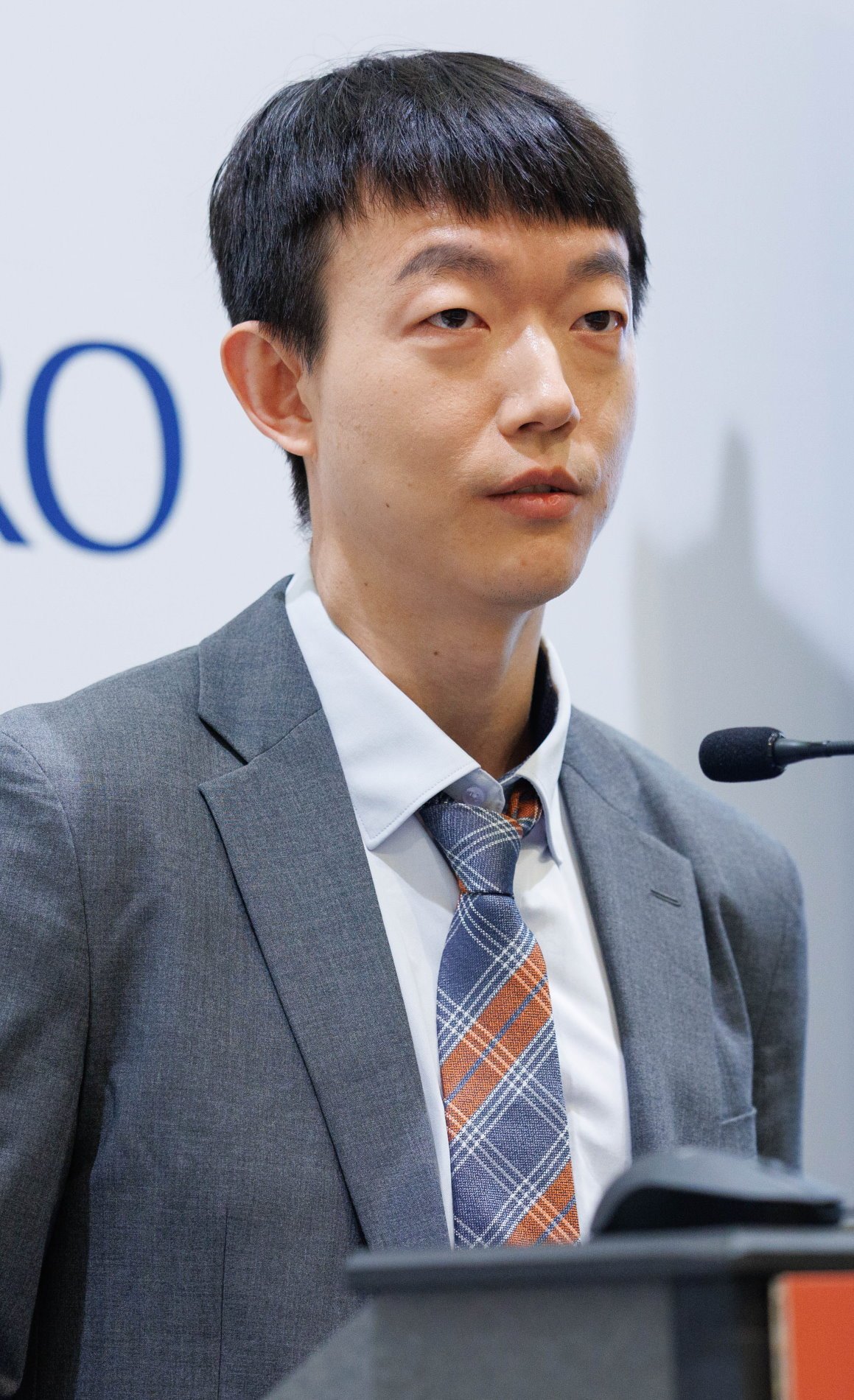
Photo courtesy of ASTRO
Results of a well-designed randomised clinical trial (NCT05562271) comparing two dose regimens and a sham control group presented at the 2025 American Society for Radiation Oncology’s annual meeting in San Francisco this fall add credence to the effectiveness of LDRT filling an unmet need for the treatment of knee osteoarthritis. Byoung Hyuck Kim, MD, PhD, Assistant Professor of Radiation Oncology at Seoul University College of Medicine in the Republic of Korea, reported that a single 3 Gy, six fraction course of LDRT led to significant clinical benefit without the supplemental use of drugs in patients with mild to moderate knee osteoarthritis compared to patients in a sham control group or those who received only 0.3 Gy in six fractions.
The trial’s goal was to provide essential evidence of supporting integration of LDRT into knee osteoarthritis care, to evaluate the effectiveness of different doses, and to test the optimal single course regimen under analgesic restriction. ‘High-quality randomised evidence remains limited and inconsistent, and optimal dose selection remains uncertain,’ said Dr. Kim, the trial’s principal investigator. ‘Additionally, no prospective studies in Asia have ever been conducted. We felt it was important to do so.’
The researchers enrolled 114 patients, aged 50 to 85, receiving treatment for osteoarthritis of the knee at the three academic hospitals in Seoul. They were assigned to receive a dose of 3 Gy, 0.3 Gy, or zero Gy LDRT treatment twice weekly over 21 days. Patients in the sham irradiation group underwent the same simulation, positioning, RT schedule, in-room setup procedures, and gantry positions as the other two groups.
The patients had internationally standardised and validated pain/function tests and lab tests performed at baseline, at one month following treatment, and at four months following treatment. During this time, patients were not taking concomitant analgesics or permitted re-irradiation. Four patients dropped out of the trial.
Results for all the groups were similar at one month. At four months, 70.3% of the patients in the 3 Gy group reported an improvement in pain, compared to 58.3% of patients in the 0.3 Gy group. Interestingly, 41.7% of the group receiving sham treatments reported a placebo effect improvement.
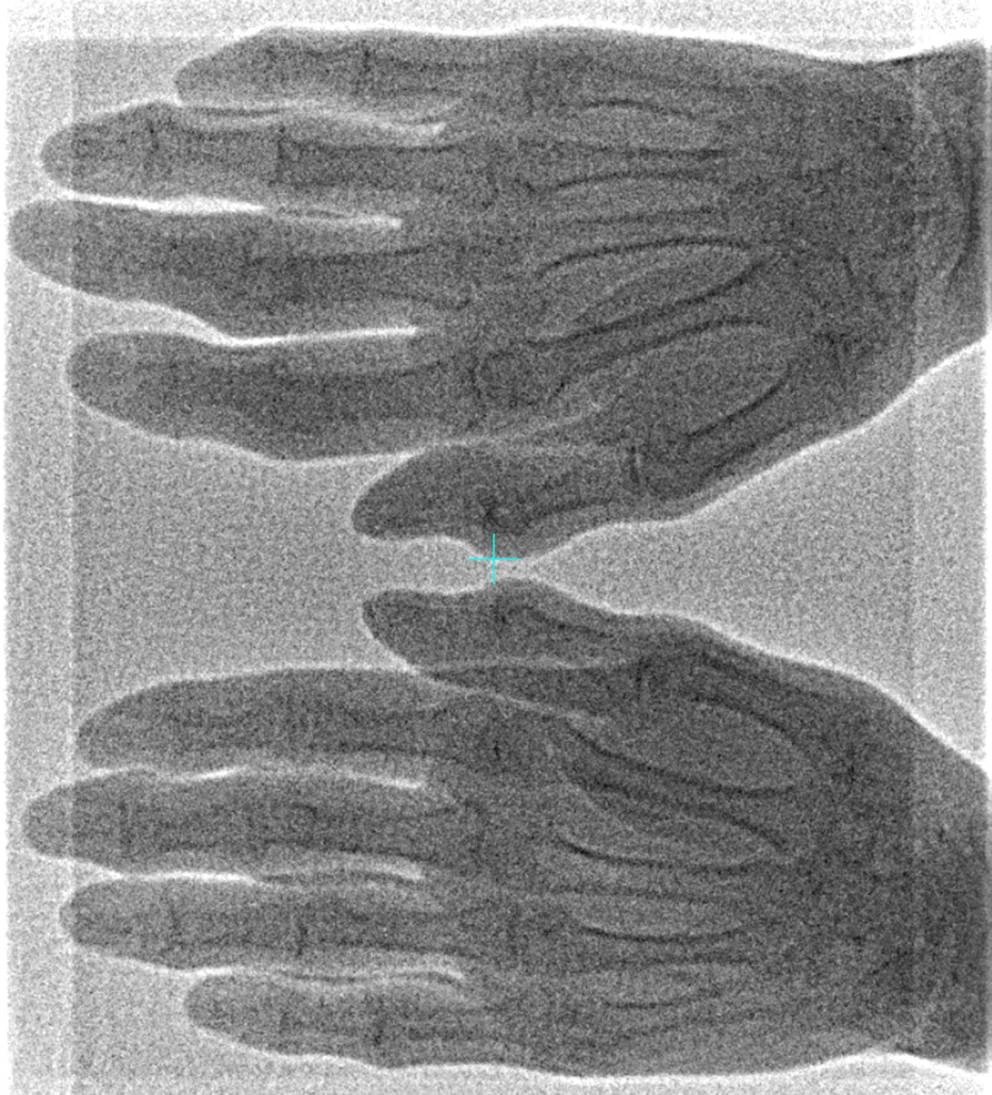
Image source: Niewald M, Müller LN, Hautmann MG et al., Strahlentherapie und Onkologie 2021 (CC BY 4.0)
The ASTRO session discussant, Gopal K. Bajaj, MD, president of Radiation Oncology Associates in Fairfax, VA, commented, ‘This is a small but beautifully executed study, with excellent attention to limiting confounding variables through strict eligibility criteria. It uses robust validated and internationally recognized assessment criteria. It is an elegant study design which builds on the data from the ArthroRad clinical trial by adding a true zero Gy sham arm and validates 3 Gy/6 fraction frequency as a standard treatment approach in mild to moderate knee osteoarthritis.’3
Dr. Kim said that patients would be tested again in eight and 12 month follow up visits. The researchers will perform another knee x-ray examination at 12 months to compare with baseline, as well as pre- and post-contrast MRI scans of the index knee to compare with those performed at baseline and at four months.4
More randomized clinical trials with a placebo control group are needed for LDRT to be more widely adopted. The University of Erlangen-Nürnberg Medical School is currently recruiting participants for a prospective, placebo-controlled, double-blind randomised trial of the effectiveness of 3 Gy administered LDRT to treat finger osteoarthritis and arthrosis of the wrist, elbow, shoulder, knee, ankle, and foot joints.5
Profiles:
Byoung Hyuck Kim, MD, PhD, is Assistant Professor of Radiation Oncology at Seoul University College of Medicine in the Republic of Korea. He practices in the Department of Radiation Oncology at SMG-SNU Boramae Medica Center. Dr. Kim’s research focuses on immunosensitising and radiosensitizing strategies in gastrointestinal and lung cancers, with particular interest in optimising the use of radiotherapy in the management of metastatic cancers.
Gopal K. Bajaj, MD, is the president of Radiation Oncology Associates in Fairfax, VA, and the emeritus Chairman and Medical Director of the Department for Radiation Oncology and Proton Therapy at the Inova Schar Cancer Institute. He serves on ASTRO’s Head and Neck Cancer Resource Panel. Dr. Bajaj’s clinical focus centers on head and neck malignancies and functional radiation therapy for hyperproliferative and inflammatory musculoskeletal conditions.
References:
- Steinmetz JD, Culbreth GT, Haile LM, et al. Global, regional, and national burden of osteoarthritis, 1990-2020 and projections to 2050: a systematic analysis for the Global Burden of Disease Study 2021. Lancet Rheumatol. 2023;5:e508-522.
- Donaubauer A-J, Mogge L, Schubert P, et al. Biological Effects of Low-Dose Radiation Therapy: From Mechanistic Aspects to Translational Approaches and Challenges. Semin Radiat Oncol. 2026 Jan;36:23-38.
- Niewald M, Müller LN, Hautmann MG, et al. Arthro-Rad trial: multicentric prospective and randomized single-blinded trial on the effective low-dose radiotherapy for osteoarthritis depending on the dose – results after three month follow up. Strahlenther Onkol. 2022;198:370–377.
- Kim BH, Shin K, Kim MJ, et al. Low-dose RaDiation therapy for patients with KNee osteoArthritis (LoRD-KNeA): a protocol for a sham-controlled randomised trial. BMJ Open 2023;13:e069691.
- Investigation of the Clinical Efficacy of Low-dose Ionizing Radiation in the Treatment of Osteoarthritis (IMMO-LDRT02). ClinicalTrials.gov ID NCT 05887284. Accessed online 28 November 2025.
05.03.2026