© Kiattisak – stock.adobe.com / Julien Eichinger – stock.adobe.com
News • Polyendocrine Metabolic Ovarian Syndrome
From PCOS to PMOS: is a name change enough to make a difference?
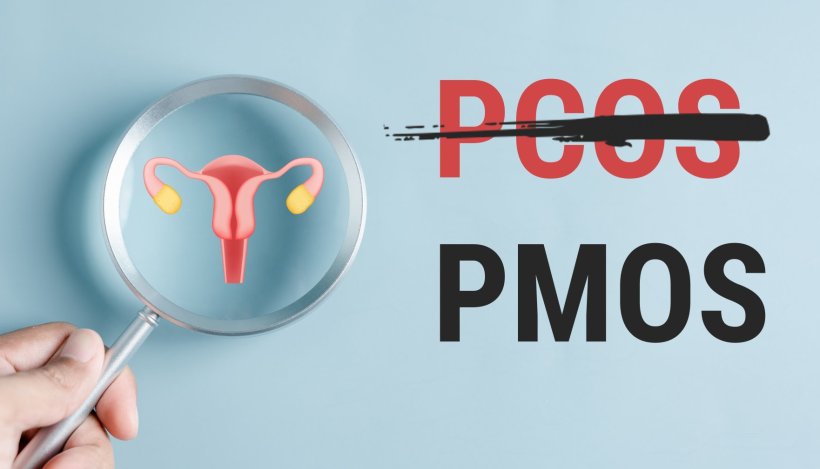
Earlier this month, endocrinology specialists at the European Congress of Endocrinology announced that Polycystic Ovary Syndrome (PCOS) is being renamed Polyendocrine Metabolic Ovarian Syndrome (PMOS) to better reflect the fact that the condition extends beyond the ovaries. But will it make a difference to those it affects?
A few weeks ago, endocrinology specialists at the European Congress of Endocrinology announced that Polycystic Ovary Syndrome (PCOS) is being renamed Polyendocrine Metabolic Ovarian Syndrome (PMOS) to better reflect the fact that the condition extends beyond the ovaries. But will it make a difference to those it affects?
Although this is a very welcome and long overdue change, it will only make a real difference if ongoing disparities are addressed alongside it
Sharon Manship
Having recently led a study exploring exploring the diagnosis experiences and support needs of individuals living with PMOS, Sharon Manship, a Research Associate in the Centre for Health Services Studies, sees the name change as a significant milestone, but not a standalone solution to the issues it’s designed to address:
‘The name change of PCOS to PMOS is a landmark moment in the area of women’s health, which is historically under recognised, under funded and under researched. The name change recognises that PMOS is a full body condition that doesn’t just affect the ovaries, and doesn’t actually involve cysts. Such misconceptions have led to many experiencing severe delays in diagnosis, treatment and care. Although this is a very welcome and long overdue change, it will only make a real difference if ongoing disparities are addressed alongside it, including improved awareness, education and training of GPs, other healthcare professionals, individuals living with PMOS and their supporters. Care provision and treatment pathways also need to be more joined up, holistic and person-centred, to take into account the broad manifestations of PMOS. Furthermore, better support systems are required, particularly in relation to mental health and wellbeing, to enable better management and quality of life for those living with the condition.’
Sharon and her fellow researcher, Kate Day, who lead the Inclusive Women’s Health Research Group at Kent, co-developed these recommendations with an expert advisory group of four people with lived experience of PMOS, following an extensive examination of the diagnosis experiences and support needs of individuals living with PMOS in Kent, Surrey and Sussex. Their report, published in March 2026, outlines these in more detail with hopes that they will be adopted to improve practice in primary care and beyond.
Source: University of Kent
02.06.2026