© Anatomy Insider – stock.adobe.com
News • Bacterial alterations in MCI
Study links gut microbiome to Alzheimer’s biomarkers
Study results suggest new approach toward personalized strategies for dementia prevention
Researchers at National Yang Ming Chiao Tung University (NYCU) have found that older adults with higher levels of Akkermansia muciniphila – a next-generation probiotic increasingly recognized for its health benefits – show significantly lower levels of amyloid-beta accumulation in the brain, a key biological hallmark of Alzheimer’s disease.
Published in Alzheimer’s Research & Therapy, the study analyzed stool samples, Alzheimer’s disease biomarkers, and brain imaging data from 439 older adults. While the findings do not prove that gut bacteria prevent Alzheimer’s disease, they provide compelling new evidence that the gut microbiome may play a far greater role in brain aging than previously understood.
Although we observed a clear association between the gut microbiome and Alzheimer’s biomarkers, the underlying biological mechanisms remain to be clarified
Yi-Fang Chuang
For decades, Alzheimer’s research has focused primarily on what happens inside the brain, particularly the buildup of amyloid-beta plaques. New drugs designed to remove these deposits have offered renewed hope for patients, but scientists are increasingly asking whether the disease may begin much earlier – and outside the brain itself.
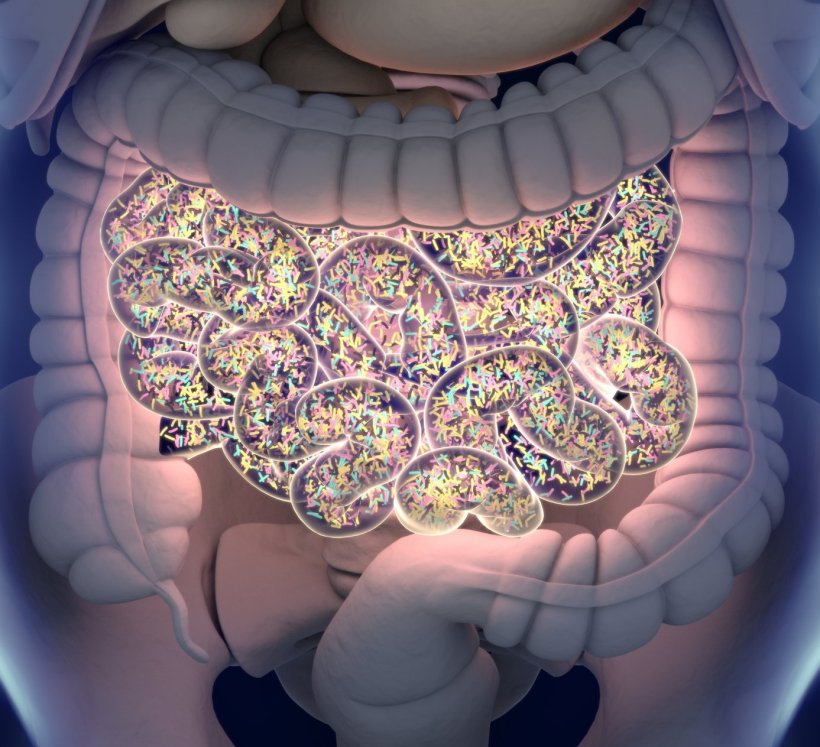
One of the strongest candidates is the gut microbiome. Through immune, metabolic, and neural pathways, the trillions of microorganisms inhabiting the digestive tract communicate continuously with the brain, forming what researchers describe as the gut-brain axis. Among these microbes, Akkermansia muciniphila has attracted growing attention. Previous animal studies have linked the bacterium to improved metabolism, reduced inflammation, and enhanced memory, suggesting it may help protect cognitive function.
Rather than grouping bacteria into broad taxonomic categories, the NYCU team used high-resolution genomic sequencing to identify microbes at the species level, allowing researchers to distinguish subtle but potentially important biological differences. The analysis identified 59 bacterial species associated with either mild cognitive impairment or Alzheimer’s disease. Interestingly, even closely related bacteria appeared to play different roles: some species were more abundant in cognitively healthy participants, while others were enriched in individuals with cognitive decline.

Image source: NYCU
The researchers also found that these microbes operate as interconnected communities rather than in isolation. Interactions among bacterial species may alter key metabolic functions – including pathways involved in branched-chain amino acid biosynthesis – that are associated with amyloid accumulation and neurodegeneration. These findings suggest that it is the overall balance of the gut ecosystem, rather than any single bacterial species, that may influence brain health.
Professor Yi-Fang Chuang of NYCU’s Institute of Public Health, who led the study, said the research represents an important step toward understanding how gut microbes may contribute to Alzheimer’s disease. “Although we observed a clear association between the gut microbiome and Alzheimer’s biomarkers, the underlying biological mechanisms remain to be clarified,” Chuang said. “Future longitudinal studies will be needed to determine whether microbial changes contribute to disease progression or are themselves a consequence of neurodegeneration.”
She added that gut microbial composition varies considerably across populations because of differences in genetics, diet, and lifestyle. Consequently, findings from Western populations cannot always be generalized to Asian communities.
By establishing one of Taiwan’s most comprehensive datasets linking gut microbiomes, brain imaging, and Alzheimer’s biomarkers, the study provides a valuable resource for future dementia research and opens new possibilities for developing microbiome-based strategies to predict, prevent, and eventually slow the progression of Alzheimer’s disease.
Source: National Yang Ming Chiao Tung University
05.07.2026