

Image source: Koç University
News • Rapid diagnostics
New system simultaneously detects antibiotic resistence and virulence of K. pneumoniae
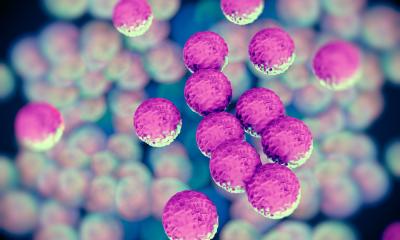
Antibiotic resistance is one of the most pressing - and quietly advancing - challenges facing modern medicine. Among the most dangerous bacterial pathogens driving this crisis is Klebsiella pneumoniae, a microorganism capable of causing severe infections while evading both antibiotics and the human immune system.
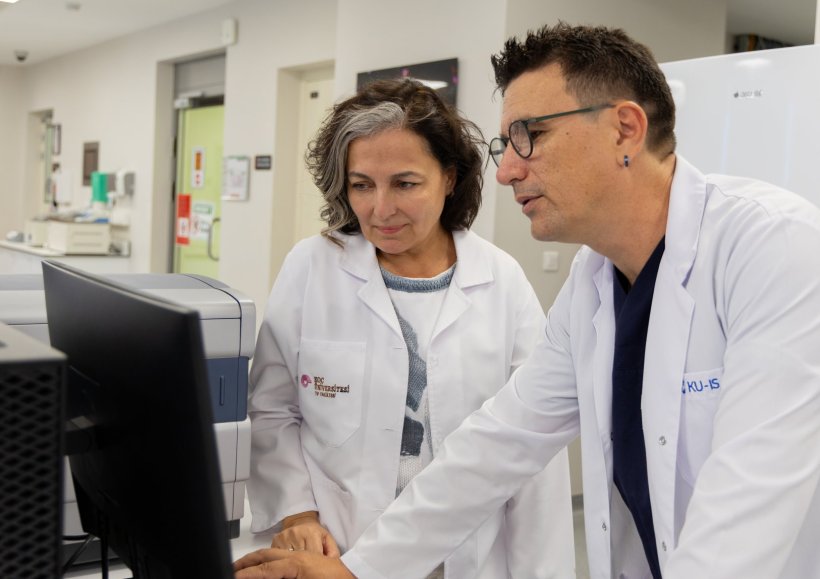
Among the most dangerous bacterial pathogens driving this crisis is Klebsiella pneumoniae, a microorganism capable of causing severe infections while evading both antibiotics and the human immune system. Now, a research team led by Prof. Dr. Füsun Can at Koç University School of Medicine has developed a novel diagnostic approach that enables the rapid and simultaneous detection of both antibiotic resistance and high virulence in Klebsiella pneumoniae. The research has been recognized with the 2025 Nature MDx Impact Award, highlighting its scientific originality and strong potential for real-world clinical impact.
Klebsiella pneumoniae normally exists harmlessly in the human gut and on the skin. However, in vulnerable patients - particularly those in hospital settings - it can cause life-threatening conditions such as pneumonia, bloodstream infections, and sepsis. In recent years, especially concerning strains have emerged that combine multidrug resistance with hypervirulence, making infections both harder to treat and more severe.
Recommended article
Article • Bacterial defense mechanism
Antibiotic resistance: a global threat to healthcare
Antimicrobial resistance (AMR) is becoming more prevalent around the world, constituting a serious threat to public health. When bacteria acquire resistance against antibiotics, common medical procedures – for example, in surgery – become impossible due to the high infection risk. Keep reading to find out about AMR research, development of new antibiotics and antibiotic alternatives.
Prof. Dr. Can’s team focused on precisely these strains. Their newly developed diagnostic system identifies, in a single and rapid test, the genetic markers responsible for both pathogenicity and antibiotic resistance. Until now, these features could only be assessed separately, often through time-consuming procedures that delayed effective treatment. The ability to capture this critical information simultaneously represents a significant advance in molecular diagnostics.
Unlike viral outbreaks, bacterial resistance does not erupt suddenly - but its cumulative impact is profound. Delayed or inappropriate antibiotic treatment increases mortality risk, prolongs hospital stays, and accelerates the spread of resistant strains. Rapid, accurate diagnosis is therefore central to effective clinical decision-making. By enabling clinicians to identify the most dangerous Klebsiella strains at an early stage, this new approach supports timely, targeted therapy and strengthens infection-control strategies in healthcare settings.
The Nature MDx Impact Award is presented to research that not only advances diagnostic science but also addresses urgent clinical needs. In its evaluation, Nature highlighted the project’s originality, translational relevance, and potential for broad implementation. The study’s selection underscores the growing importance of molecular epidemiology and precision diagnostics in confronting the global antibiotic resistance crisis. The project is supported by international industry collaboration, further strengthening its pathway toward clinical application.
Beyond diagnostics, Prof. Dr. Can’s research program aims to unravel how Klebsiella pneumoniae evades the immune system - a key step toward developing next-generation treatment strategies. Understanding these mechanisms could enable the design of novel therapeutic molecules, potentially supported by artificial intelligence–driven drug discovery.
As antibiotic resistance continues to challenge healthcare systems worldwide, this work offers a timely and concrete step forward, the researchers state - transforming molecular insight into tools that can save lives.
Source: Koç University
21.12.2025