


© JackF – stock.adobe.com
Article • Experts explore often-overlooked patient group in oncology
A rising tide: cancer in young adults
For a young adult, a cancer diagnosis hits different: a more aggressive disease course, greater disruptive potential, longer survivorship. Yet most healthcare institutions seem poorly prepared for this growing patient group. A plenary session at the National Comprehensive Cancer Network (NCCN) 2026 Annual Conference examined one of the most striking shifts in modern oncology: the rising incidence of cancer in adolescents and young adults (AYA) – a clinically and psychosocially distinct group in need of a dedicated, multidisciplinary response.
Article: Wolfgang Behrends
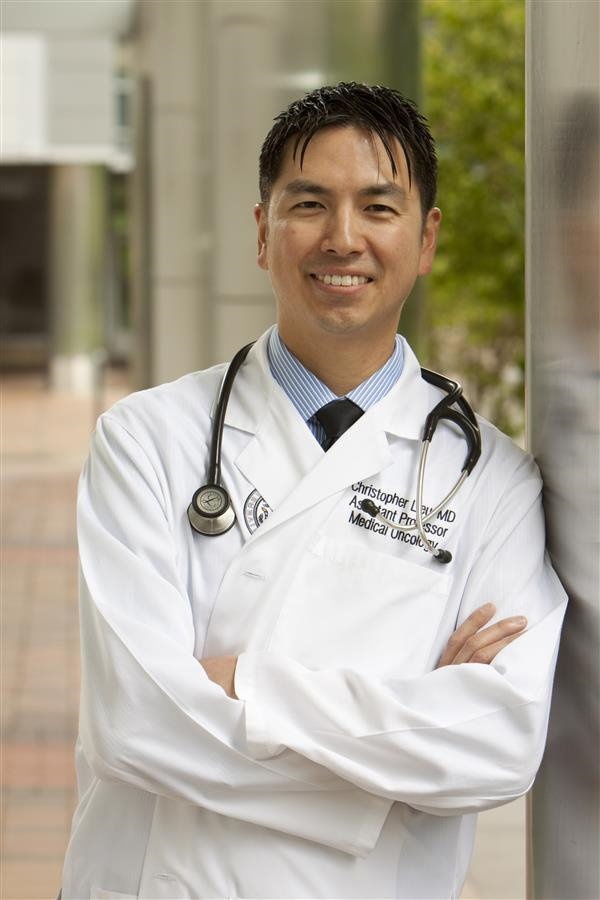
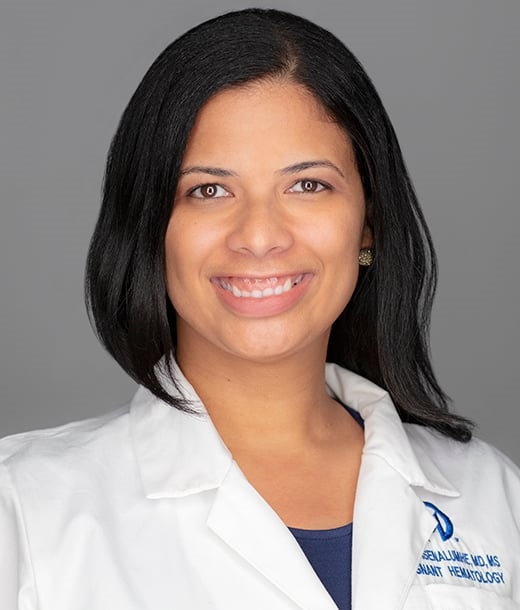
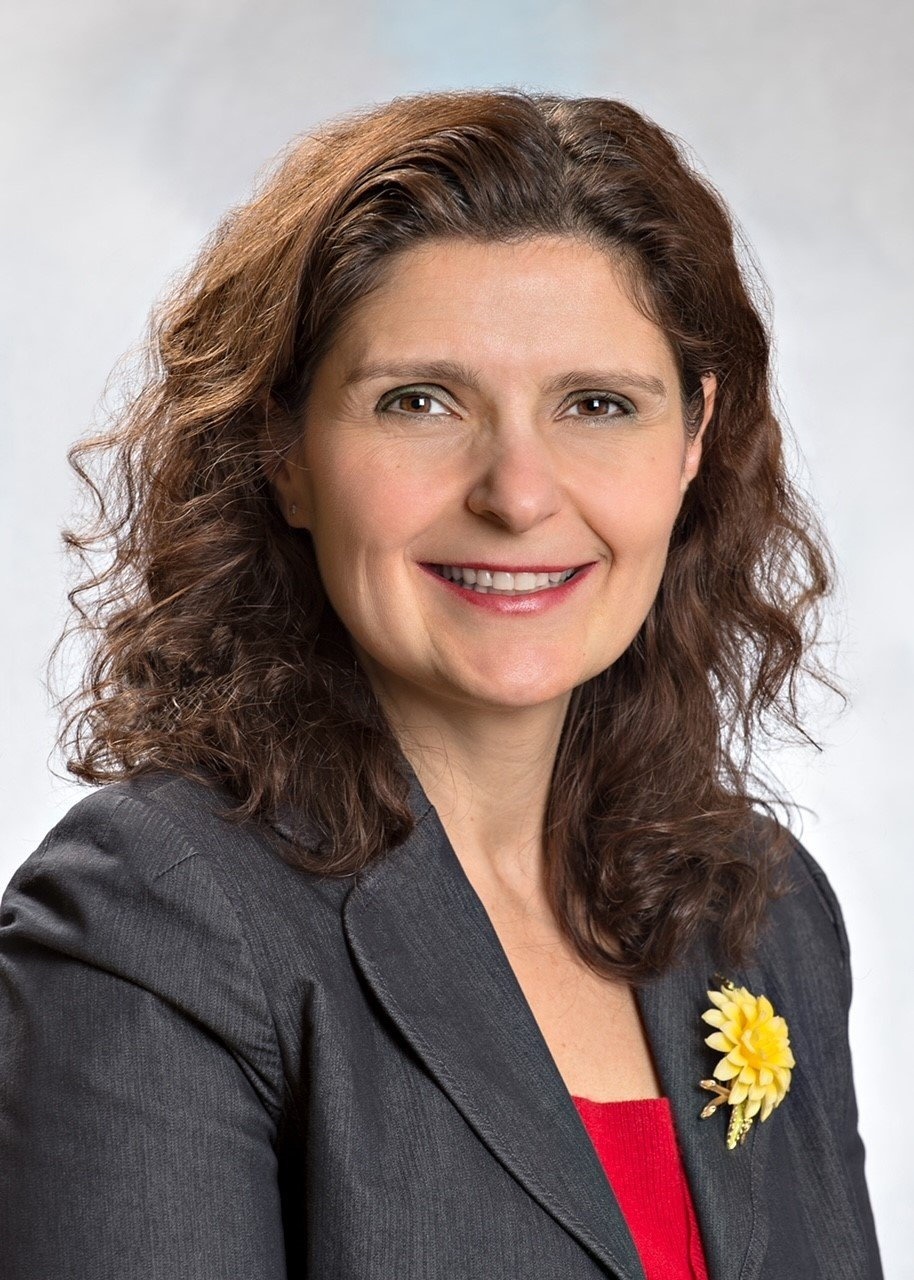
Chaired by Dr Christopher H. Lieu, a gastrointestinal medical oncologist at the University of Colorado Anschutz Cancer Center and Vice-Chair of the NCCN Board of Directors, the session brought together Dr Leidy L. Isenalumhe, medical director of the malignant haematology programme at Moffitt Cancer Center; Dr Larissa Nekhlyudov, primary care physician at Brigham and Women's Hospital and cancer survivorship physician at Dana-Farber Cancer Institute and professor of medicine at Harvard Medical School; Anjali Albanese, social worker at Fox Chase Cancer Center; and Stephanie Samolovitch, founder of Young Adult Survivors United and a 20-year survivor of acute lymphoblastic leukaemia (ALL).
A shifting epidemiological landscape
Dr Lieu opened with epidemiological data that set the tone for the discussion. Drawing on recent analyses of cancer incidence and mortality in individuals aged 20 to 49, he highlighted significant rises across breast, gynaecological, gastrointestinal, and genitourinary cancers.1,2 The sharpest increases are concentrated in the 30–39 age group, and evidence of a birth cohort effect suggests that younger adults are carrying an elevated cancer risk forward as they age. While these studies focused on the United States, the expert noted, these trends on early-onset cancer reflect a worldwide problem.3
Most strikingly, colorectal cancer has now become the leading cause of cancer-related death in patients under the age of 50 – a threshold that, until recently, had been projected for 2030 but has already been reached.4
Different biology, different challenges
Exploring the causes for this rise in early-onset cancers, Dr Isenalumhe acknowledged that several factors contribute to this trend. Dietary shifts towards ultra-processed foods, rising obesity rates, and environmental exposures are all implicated, though she stressed that no single factor is sufficient. Crucially, she pointed out distinct changes in tumour biology for AYA patients: ‘Triple-negative breast cancer, melanoma, ALL – the genetic mutations that we see in this population are higher risk.’ Treatment tolerability also differs, with AYA patients reacting to chemotherapy with more intense and prolonged neuropathy.
These issues are further compounded by a diagnostic awareness gap that persists at the point of first contact. Dr Isenalumhe noted that many of her patients had been seen by three or four clinicians before receiving a correct diagnosis, frequently having been told that they were “too young to have cancer”. This delay in diagnosis allows the tumours to pick up additional mutations, resulting in higher aggressiveness. Better education at medical school and residency level, she argued, combined with dedicated research into the biological mechanisms driving early-onset disease, would be essential to improving outcomes for this population.
I was like, I don't even know if I'm going to be a mom. So, whatever
Stephanie Samolovitch
Samolovitch highlighted oncofertility as one of the most time-sensitive and consistently mishandled aspects of AYA care. The urgency of treatment – entirely justified clinically – leaves little room for patients to process questions about family plans they may not yet have fully formed. Diagnosed at 19 and alone in hospital over a weekend, she recalled the oncologist mentioning the risk of infertility as a passing remark before chemotherapy began two days later. ‘I was like, I don't even know if I'm going to be a mom. So, whatever.’ It was only afterwards, she reflected, that many patients come to understand what was not addressed – or, depending on one's perspective, what was taken from them. Her message to clinicians was direct: anticipate this, and go further. If there is a risk, ask whether it matters to the patient; if they are unsure, keep the conversation open.
Dr Nekhlyudov reinforced the point from a survivorship perspective, noting that preferences evolve – a patient who expresses no interest in having children at diagnosis may feel very differently a decade or more later.
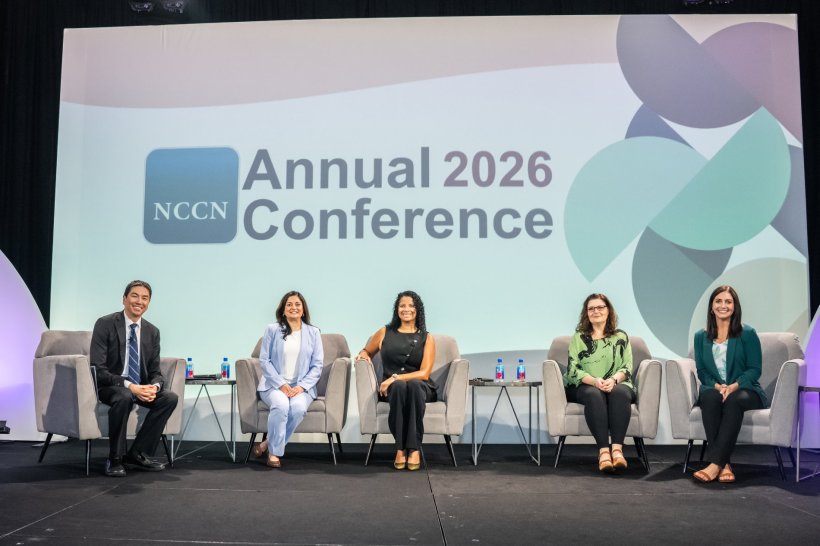
Image source: NCCN; © Jaime Rivera Photography
Falling between the cracks
Dr Larissa Nekhlyudov brought a dual perspective as both a primary care physician and a survivorship specialist. She emphasised the role of primary care in closing this awareness gap. She urged clinicians to maintain a broad differential diagnosis when young patients present with persistent symptoms such as rectal bleeding, abdominal pain, unexplained fatigue, or weight loss: ‘You can't just dismiss it. It can't be haemorrhoids for a year.’ She also highlighted the importance of family history and genetic risk assessment as tools that can prompt earlier, more targeted investigation.
A cancer diagnosis at 25 or 35 lands at a unique moment in life. Anjali Albanese pointed out the vulnerability of AYA patients: ‘That disruption happens during a life stage where independence is so important, where they're developing their sense of identity, where future planning is such a big part’ – graduation, marriage, maybe starting a family of their own. Cancer changes all of that almost instantly: ‘These people now are thinking, "Do I live to see six months from now?”’ She stressed that meeting these patients' needs requires active outreach to provide them with age-appropriate information and help them sort out the emotional chaos that a diagnosis brings: ‘It's not their job to come to where we are. We need to figure out how to be where they are.’
Survivorship: a commitment spanning decades
We're now using a lot more targeted therapy, immunotherapy, but we don't really know what the long-term effects of these regimens will be. It's important that we continue to monitor and to study that
Larissa Nekhlyudov
As the experts noted, survivorship takes on an entirely different dimension when the time after treatment may span not just ten, but potentially 50 years: In addition to fertility planning, long-term treatment toxicities may profoundly impact the functional lives of AYA patients, potentially derailing their careers. Dr Nekhlyudov therefore argued that survivorship planning must begin at diagnosis, encompassing monitoring for long-term side-effects, reintegration into primary care, and sustained psychosocial support. She urged her colleagues to not only focus on attacking the cancer, but also to consider how a given treatment might affect their patients for many years into their lives.
However, providing such informed counselling presupposes a body of scientific evidence that often does not exist yet. The expert cautioned: ‘They could develop physical effects of their treatment – chemotherapy-related treatment, radiation-induced treatment. We're now using a lot more targeted therapy, immunotherapy, but we don't really know what the long-term effects of these regimens will be. It's important that we continue to monitor and to study that.’
The session made a compelling case that AYA oncology has outgrown its status as a subspecialty footnote. Like geriatric oncology before it, the experts argued, AYA cancer care is ready to be recognised as a field in its own right – an established discipline with its own evidence base, guidelines, and clinical infrastructure. The biological distinctiveness of early-onset tumours, the psychosocial complexity of a cancer diagnosis at life's most formative stage, and the decades-long survivorship horizon that follows all demand dedicated research, dedicated training, and dedicated care pathways. The NCCN AYA oncology guidelines are a foundation; what the panel called for, with unmistakable urgency, is the institutional will to build on them.
Profiles:
Christopher H. Lieu, MD, is Professor of Medicine and Co-Director of GI Medical Oncology, University of Colorado Anschutz Cancer Center; Associate Director for Clinical Research, University of Colorado School of Medicine. Dr Lieu's research focuses on targeted and immunotherapies for colorectal and GI malignancies, with a particular interest in young-onset colorectal cancer and RAS/BRAF-mutated disease. He serves on the FDA Oncologic Drugs Advisory Committee and the NCCN Board of Directors.
Anjali Albanese, MSW, LSW, OSW-C, is an Oncology Social Worker at Fox Chase Cancer Center, Philadelphia. Ms Albanese specialises in psychosocial support for young adult cancer patients and co-leads the centre's AYA programme, including peer support groups and young adult mixer events designed to reduce isolation and build community among patients.
Leidy L. Isenalumhe, MD, MS, is Clinical Medical Director of Malignant Haematology at Moffitt Cancer Center and Research Institute and Co-Medical Director for the Inpatient/Outpatient service (IPOP). Trained in both paediatric and adult oncology (med-peds), Dr Isenalumhe specialises in aggressive lymphomas and acute lymphoblastic leukaemia, with a research focus on disparities in the AYA population.
Larissa Nekhlyudov, MD, MPH, is Professor of Medicine at Harvard Medical School; practicing primary care physician at Brigham and Women's Hospital; Clinical Director, Internal Medicine for Cancer Survivors at the Dana-Farber Cancer Institute. Dr Nekhlyudov's clinical and research expertise centres on cancer survivorship care and the interplay between primary and oncology care across the full care continuum.
Stephanie Samolovitch, MSW, is Founder and Executive Director of Young Adult Survivors United (YASU) as well as an ALL survivor. Ms Samolovitch built a regional young adult cancer community in Western Pennsylvania before launching YASU in 2020, a national organisation providing emotional, social, and financial support to young adults with cancer aged 18–45. She serves as the patient advocate on the NCCN AYA Oncology Guideline Panel.
References:
- Rahib L, Wehner MR, Matrisian LM, Nead KT: Estimated Projection of US Cancer Incidence and Death to 2040; JAMA Network Open 2021; https://doi.org/10.1001/jamanetworkopen.2021.4708
- Koh B, Tan DJH, Ng CH, et al.: Patterns in Cancer Incidence Among People Younger Than 50 Years in the US, 2010 to 2019; JAMA Network Open 2023; https://doi.org/10.1001/jamanetworkopen.2023.28171
- Spaander MCW, Zauber AG, Syngal S, Blaser MJ, Sung JJ, You YN, Kuipers EJ: Young-onset colorectal cancer; Nature Reviews Disease primers 2023; https://doi.org/10.1038/s41572-023-00432-7
- Siegel RL, Wagle NS, Star J, Kratzer TB, Smith RA, Jeman A: Colorectal cancer statistics, 2026; CA: A Cancer Journal for Clinicians 2026; https://doi.org/10.3322/caac.70067
15.04.2026