Image source: QUT
News • Psychological support
How to help patients believe in a treatment
A doctor's confidence, the design of a clinic and even the language used to explain a treatment may shape a patient's belief in their care, according to new research from the Queensland University of Technology (QUT).
The reasearchers published their findings in the Journal of Psychosomatic Research.
The team have completed a multidisciplinary review, believed to be the first to identify the factors that shape a person's belief in a health intervention across disciplines, proposing a framework they say could help clinicians improve patient care. Drawing on four decades of research across medicine, physiotherapy, psychology, pain management and sports science, the research identified five key influences on treatment belief: the individual, the practitioner, the relationship between the two, the intervention itself and the setting in which care is delivered.
Simple factors such as clear communication, building trust, creating a positive therapeutic relationship and presenting treatments in a credible way may strengthen patients' belief in an intervention and ultimately improve outcomes
Vince Kelly
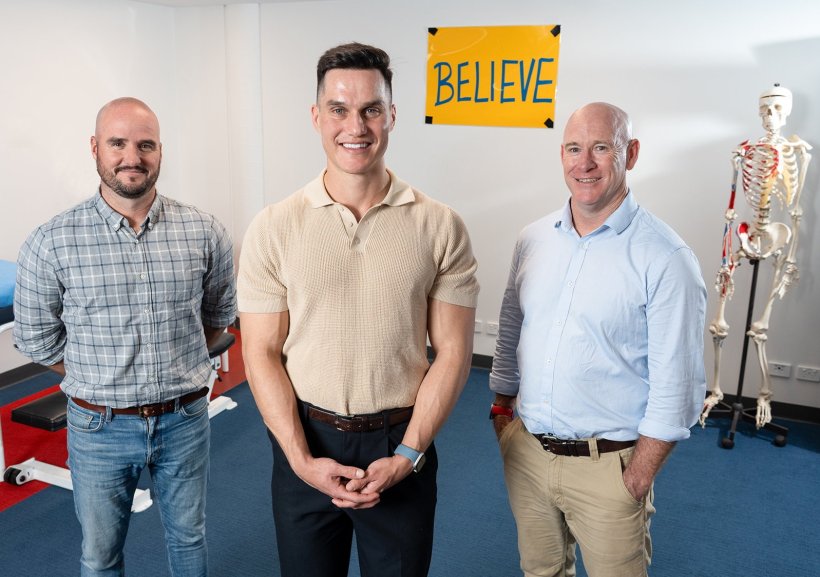
First author PhD candidate David Holt, from the QUT School of Exercise and Nutrition Science, said while placebo and nocebo effects have long demonstrated that beliefs can influence health outcomes, the broader science of belief has remained fragmented. "We've known for years that what people believe about a treatment can influence how they respond to it, but until now we haven't really understood how those beliefs are formed," Mr Holt said. "Our review brings that research together for the first time and shows that belief isn't shaped by one thing alone. It's influenced by everything from a person's previous experiences and expectations to how a practitioner communicates, the treatment itself and even the environment where care takes place. Understanding these influences means we, as practitioners, can be more intentional about how we shape belief to improve outcomes for our clients and patients."
The researchers have coined this broader concept the "belief effect", defining it as a psycho-neurobiological response that can enhance or diminish the effectiveness of a health intervention depending on whether a person believes it will work.
Co-author Associate Professor Vince Kelly, also from the School of Exercise and Nutrition Science, said the findings highlighted opportunities to improve healthcare without changing the treatment itself. "Evidence-based medicine will always be the foundation of healthcare, but how that care is delivered also matters," Professor Kelly said. "Simple factors such as clear communication, building trust, creating a positive therapeutic relationship and presenting treatments in a credible way may strengthen patients' belief in an intervention and ultimately improve outcomes."
The researchers say the framework provides the first step towards developing a validated tool to measure treatment-related belief, allowing researchers to better understand how belief changes throughout care and how it contributes to recovery.
Mr Holt said the findings could have implications across healthcare disciplines. "If we can better understand how beliefs are formed, we can begin to intentionally and ethically incorporate those factors into healthcare," he said.
Source: Queensland University of Technology
11.07.2026