

Image source: New Africa - stock.adobe.com
News • Urologie
Urine test detects 9 in 10 bladder cancers in NHS study
A clinical study across seven NHS sites found that the GALEAS Bladder urine test detected 92% of bladder cancers among nearly 1,000 patients.
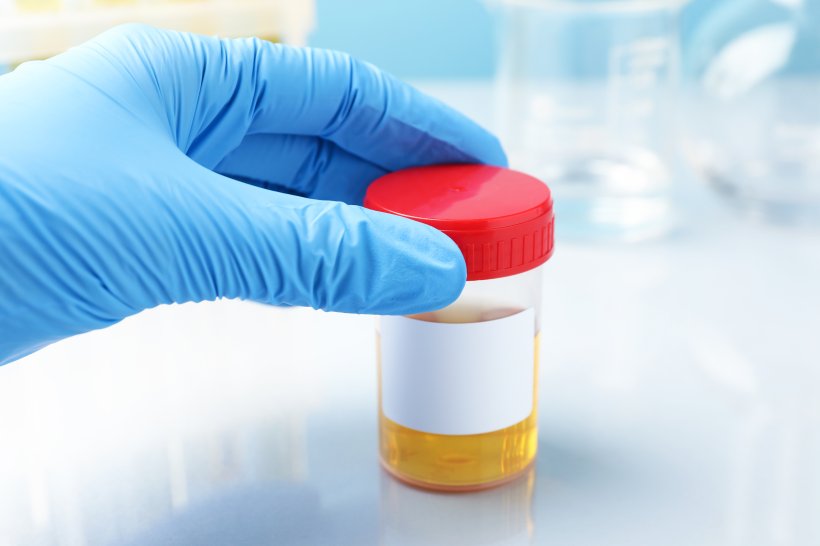
A urine-based genomic test has demonstrated high accuracy in detecting bladder cancer across multiple NHS sites, according to a new prospective study led by the University of Birmingham and Nonacus Ltd.
The study enrolled 964 patients referred for urgent haematuria investigation across seven NHS urology departments. The GALEAS Bladder test – which analyses DNA mutations across 23 genes associated with bladder cancer – detected 71 of 77 cancers (92.2%). It identified all 17 muscle-invasive bladder cancers (100%) and 35 of 36 high-grade cancers (97.2%). A negative result was associated with a 99.3% probability of not having bladder cancer.
For the 30% of patients with non-visible haematuria, GALEAS Bladder identified all bladder cancers (100%), with a negative result associated with a 100% probability of not having bladder cancer.
Professor Richard Bryan, Director of the University of Birmingham's Bladder Cancer Research Centre and co-author of the study, said: "GALEAS detected 35 of 36 high-grade cancers and every muscle-invasive cancer diagnosed in the study. These results show that molecular urine testing can be used now to help clinicians decide which patients need an urgent cystoscopy and which can safely have that procedure deferred."
Only 8% of patients in the study were ultimately diagnosed with bladder cancer, highlighting the challenge facing NHS haematuria services, where large numbers of patients currently enter the same urgent diagnostic pathway despite most not having cancer. At the most cautious pre-specified clinical threshold, using GALEAS Bladder to triage patients was estimated to result in 730 fewer urgent cystoscopies per 1,000 patients, with no loss of net clinical benefit.
GALEAS Bladder is already being used within NHS pathways in England and Wales, with further NHS sites adopting the test as clinical use expands.
The peer-reviewed results are published in European Urology Oncology.
Source: University of Birmingham
15.09.2026