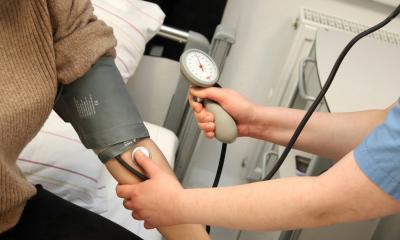


Equipment
The couch that reinvents the medical examination
The all-electric eMotio couch, the most efficient examination couch ever designed, should become the new assistant for general practitioners and specialists. Promotal carried out the largest study ever conducted in medical furniture, with two hundred doctors from six European countries.
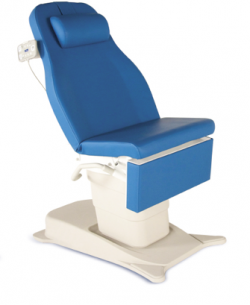
The final product, the result of three years development, allows the doctor to fully concentrate on the diagnosis, while gaining time and space. The patient benefits from increased comfort and lower stress for a more balanced exchange.
To optimise a medical examination, the eMotio couch offers numerous possibilities as standard. Gain in time and comfort thanks to:
- favourite positions with one press: two 100% configurable exam positions, return to welcome position, couch/chair positions
- Fast, easy surrounding access
- Optional gynaecology position, with possibility to raise the pelvis up to 105 cm (41.34 Inch)
For further information please visit www.promotal.com
13.01.2016
More on the subject: