

© Sebastian Kaulitzki – stock.adobe.com
News • Fungal effect on skin cancer
Candida albicans increases melanoma aggressiveness, study shows
MicrobiomicsEHU group of the University of the Basque Country explains fungal influence on the development of melanoma cells
The results, published in Scientific Reports, pave the way for using antifungal therapies to complement conventional treatment to combat the most deadly skin cancer.
Cancer is one of the causes responsible for the most deaths worldwide; in 2020, for example, it resulted in ten million deaths. It has been estimated that micro-organism infections caused between 13-18% of these cases. Until now, the International Agency for Research on Cancer (IARC) has classified thirteen micro-organisms as carcinogenic, which include viruses, bacteria and parasites. However, recent studies have shown that there are other micro-organism types linked to cancer; some of them are fungi.
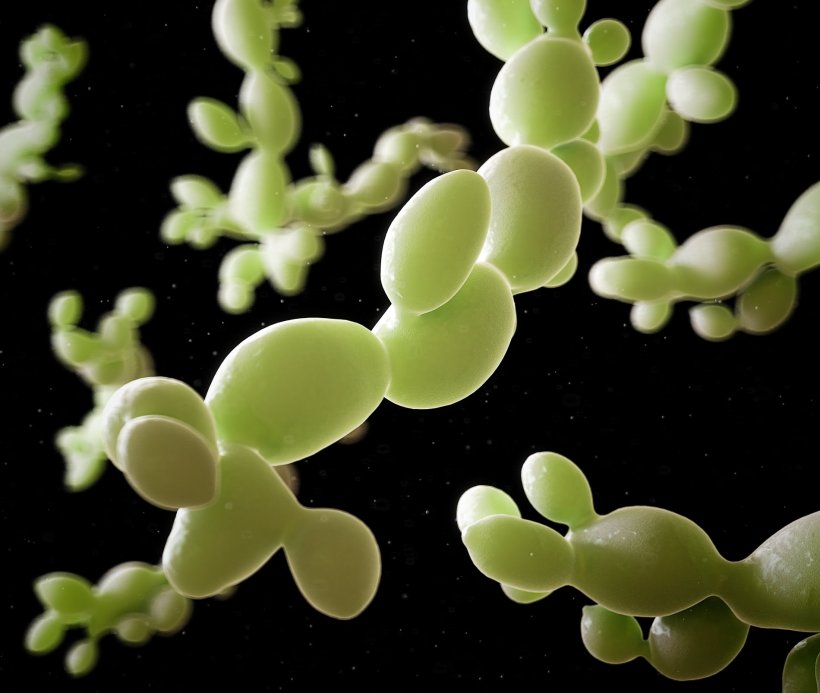
The Candida albicans fungus is one of them: “This fungus is part of the human microbiota; it is found in the mouth, on the skin, in the digestive system and vagina; although it usually does not cause disease, it sometimes causes serious problems,” explained Leire Aparicio Fernández, researcher and lecturer at the University of the Basque Country (EHU). In recent decades, several studies have suggested that this fungus is likely to cause cancer and contribute to its progression.
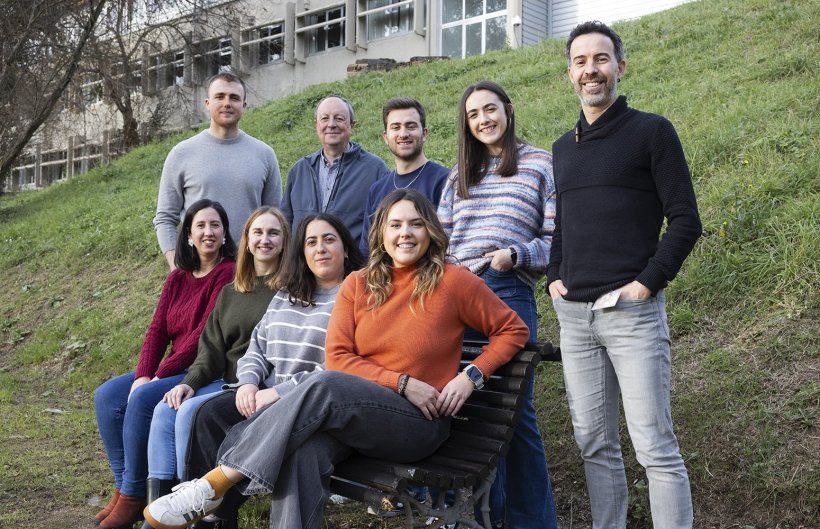
Image source: University of the Basque Country; photo: Egoi Markaida
So a piece of research by the EHU’s MicrobiomicsEHU group has for the first time established the mechanism by means of which the Candida albicans fungus makes melanoma (the most deadly type of skin cancer) more aggressive. “The fungus activates several signalling pathways in the melanoma cells, and, as a result, creates an environment that helps to reprogram angiogenesis and metabolism; in other words, an environment that produces suitable conditions enabling the malignant cells to acquire more oxygen and energy and be spread more easily to the blood and other organs,” explained Dr Leire Aparicio.
The therapies to tackle cancer attack the malignant cells directly, but if we see that the fungi do exert some kind of effect, it could be that the use of antifungal therapies may help to combat the cancer
Leire Aparicio Fernández
In the research various features linked to skin cancer were examined first of all. “For example, to see whether the fungus exerts an influence on the migration, proliferation or adhesion of the melanoma cells,” explained Aparicio. Furthermore, “when we saw that the fungus facilitates the spread of these cells to other organs, we examined further the mechanism by which these processes take place,” she said. As the results of the research reveal, “the fungus causes the cancer cells to have a greater capacity to migrate and create metastasis. However, with respect to proliferation we did not detect any change”.
This research has revealed that this fungus does indeed exert an influence on melanoma cancer, and that “opens up a new door to other alternative therapies”, added Aparicio. “In fact, the therapies to tackle cancer attack the malignant cells directly, but if we see that the fungi do exert some kind of effect, it could be that the use of antifungal therapies may help to combat the cancer. Who knows, perhaps, in the future, it will be possible to use antifungal therapies as a complementary therapy to treat melanoma.”
So the researcher in the MicrobiomicsEHU group at the EHU said that there was a need to go on exploring many areas. All kinds of micro-organisms are studied in this group, but Aparicio attaches importance to fungi. “We have widely discussed viruses and bacteria, but we forget fungi. We need to bear in mind that they live with us, they are part of our microbiota. Fungi may be important not only in the diseases that they cause directly, but also in other diseases. For example, we have proven that they are capable of participating in cancer processes.”
The researcher believes that the discoveries in this piece of research are important: “The work behind it goes back many years. Cancer is one of the most significant diseases today, and all the work to combat it amounts to ‘little’. It is important to look for therapies so that a type of cancer does not progress.” Right now, in the MicrobiomicsEHU research group they are exploring whether “this fungus could have the same effect on colon and gut cancer cells; the fact is, all cancer types are different”.
Source: University of the Basque Country
06.02.2026