

© Cleanproject
Article • Avoiding mistakes in design, equipment, validation, and operation
Laboratory cleaning: Breaking the hidden chain of contamination errors
Microbiological cleanliness in laboratories demands far more than routine disinfection – it requires a comprehensive contamination control strategy from the very first design stage. At the Labs Expo trade fair in Poznań, Poland, industry experts Jerzy Kustra and Piotr Caban outlined the most common mistakes organisations make and how to avoid them.
By Mark Nicholls
© Cleanproject
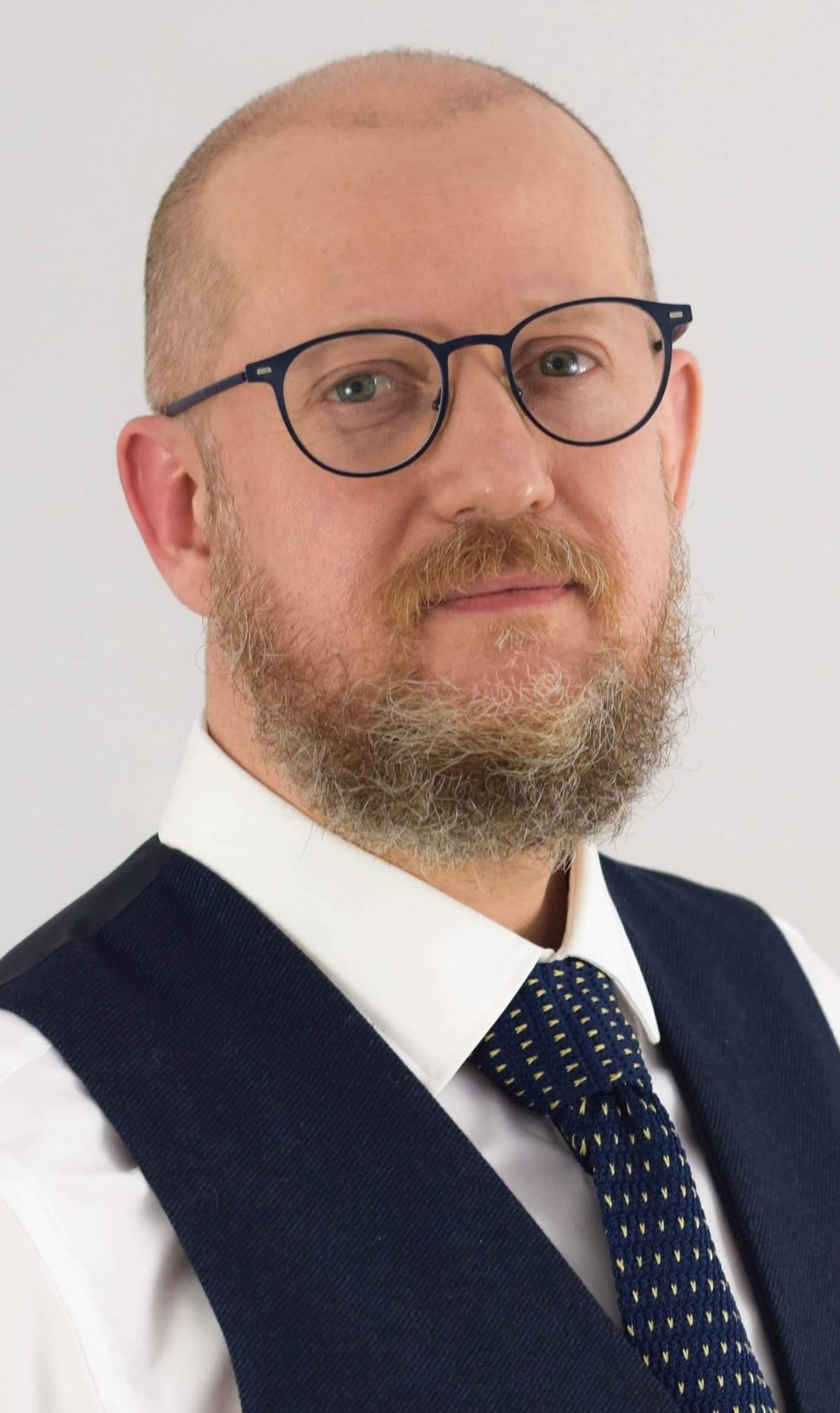
'Microbiological cleanliness does not begin with disinfection alone, but with the entire contamination control strategy,' said Kustra, CEO of Cleanproject, a Warsaw-based company specialising in cleanrooms and controlled environments. 'It starts at the design stage, continues through the correct selection of equipment, HVAC, personnel, clothing and material flows, and must then be maintained through validation, monitoring, training and disciplined day-to-day operation.'
In his presentation, Kustra stressed that contamination risks are typically not the result of one glaring error. 'In practice, the biggest problems do not come from one dramatic failure, but from a chain of small mistakes made across design, installation, cleaning, qualification and human behaviour,' he said.
A clean zone, he explained, should always be designed around the process, not the other way around. 'The required cleanliness class, microbiological risk, people and material movements, cleaning routines, gowning, servicing access and qualification strategy must all be defined from the beginning in the URS – User Requirements Specification – and then reflected consistently in the project and in operational procedures.'
When the foundations are flawed
Avoiding mistakes requires what Kustra described as a 'holistic Contamination Control Strategy' – especially important in GMP (good manufacturing practice) environments, 'where microbiological contamination may directly affect product quality, patient safety and research credibility.'
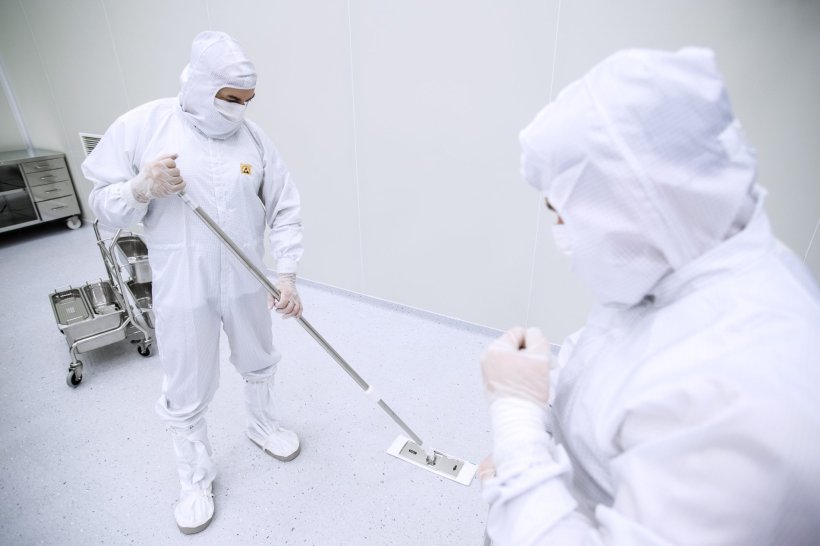
In clean zones, "cleaning" is really a controlled process of removing invisible contamination, not simply making surfaces look clean
Jerzy Kustra
These mistakes, he noted, often arise from 'starting too late with the right assumptions.' 'If the URS is weak or incomplete,' he continued, 'the whole project suffers later: wrong zoning, poor people and material flows, insufficient servicing access, underdefined procedures, and equipment that does not truly fit the process.'
Further errors can stem from selecting equipment, furniture, garments or routine accessories without verifying their suitability for the intended clean class and process. Inadequate cleaning systems, poorly selected tools, insufficiently trained staff, weak gowning discipline and a lack of structured hygiene plans also contribute. 'In clean zones, "cleaning" is really a controlled process of removing invisible contamination, not simply making surfaces look clean,' Kustra said.
Treating cleanliness as a lifecycle issue
Cleanproject's contamination control specialist Dr Piotr Caban – who has a particular focus on GMP Annex 1, the rules governing medicinal products in the European Union – outlined practical steps to overcome these challenges.
'The most effective way is to treat microbiological cleanliness as a lifecycle issue. It begins with a well-developed URS based on the real process, applicable standards and risk level,' he said. 'Then the project, equipment selection, installation, training, qualification and service must all follow the same logic.'
A formal contamination control framework is essential, Caban explained. 'This includes defined zoning, flows, gowning rules, cleaning and disinfection plans, environmental monitoring, acceptance criteria, documentation, CAPA and continuous improvement.' He emphasised that equipment must be properly qualified, cleaning systems correctly selected, and personnel trained in a structured and repeatable way. 'The human factor is critical, and training is one of the most effective ways to improve stability and compliance,' he added.
© Cleanproject
Direct consequences for patient safety
Such processes are particularly important for the healthcare sector. 'The stakes are exceptionally high because microbiological cleanliness is directly connected with patient safety,' Caban said. 'In GMP environments, contamination may compromise sterility, product quality and treatment outcomes. This is why strict regulatory requirements apply, and why we at Cleanproject place strong emphasis on fully understanding and implementing GMP Annex 1 requirements in real operational environments.'
Cleanroom performance is never guaranteed by design alone. Even the best facility will fail without proper operation, maintenance and trained personnel
Piotr Caban
Beyond healthcare, similar principles apply in industries such as electronics, aerospace and advanced manufacturing. If mistakes are not addressed, Caban warned, the result can be unstable processes, higher operating costs, repeated deviations and difficulty maintaining required cleanroom conditions. 'In more critical environments, this can lead to contamination, batch rejection, invalid research results, regulatory issues and potential risks to health and safety.'
'Cleanroom performance,' he concluded, 'is never guaranteed by design alone. Even the best facility will fail without proper operation, maintenance and trained personnel. That is why investment in competence and awareness is as important as investment in technology.'
Profiles:
Jerzy Kustra is CEO of Cleanproject, a Warsaw-based company specialising in cleanrooms and controlled environments. He has been involved in clean technologies since the early 2000s and has led several clean construction projects, particularly within the space industry sector.
Dr Piotr Caban is a contamination control specialist at Cleanproject with over 20 years' experience in cleanroom technologies. He specialises in contamination control and cleanroom operation, with a particular focus on GMP Annex 1 requirements.
06.05.2026