


Article • Exploring unspoken systems
The hidden culture of competition in medicine: A system-level challenge
Medicine has long been regarded as a profession rooted in collaboration. From multidisciplinary teams to shared clinical decision-making, the system depends on cooperation to function effectively. However, behind this collaborative façade exists a parallel competition, one that is rarely discussed openly but widely experienced.
Guest article by Dr. Amr Ihab [Contact the author]
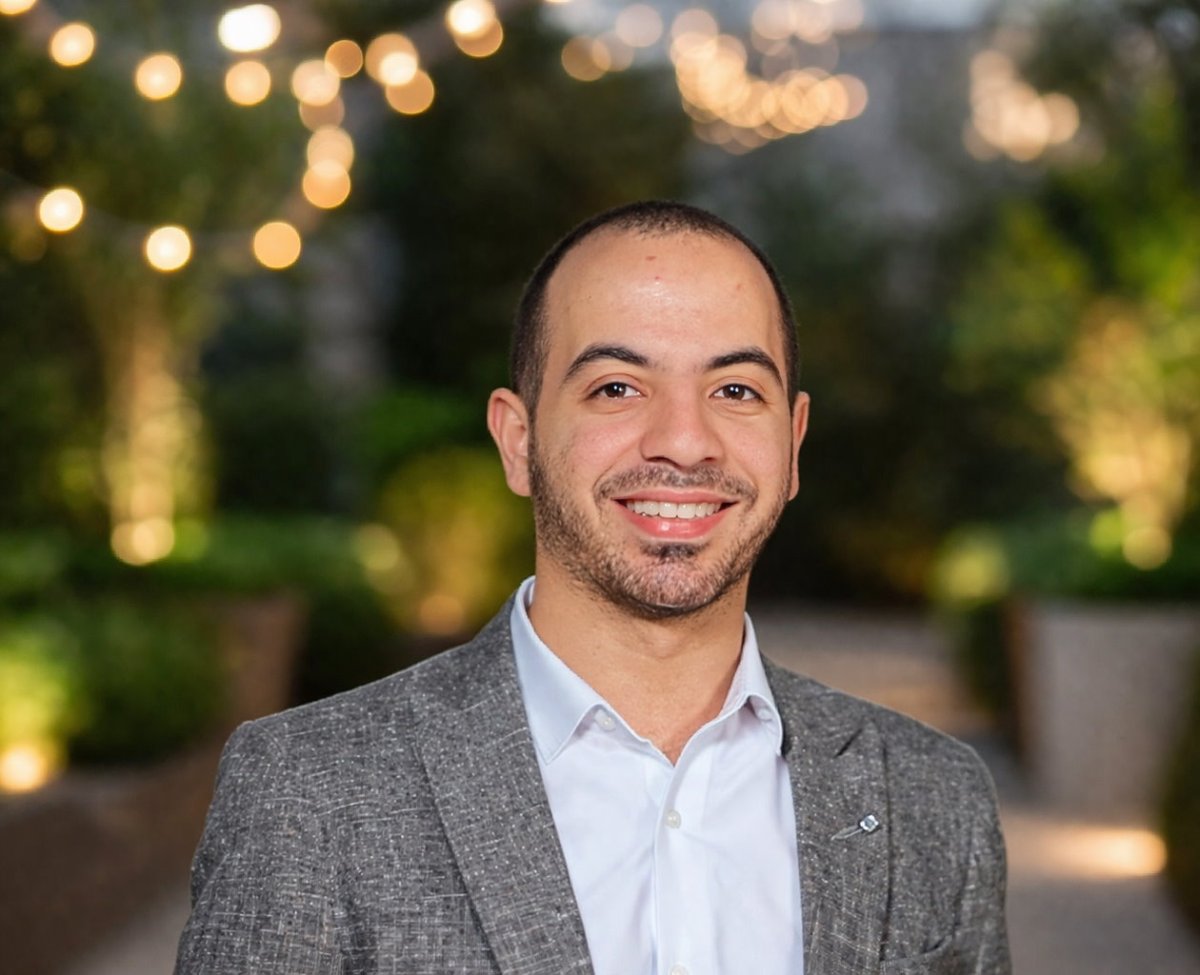
Photo courtesy of Dr. Ihab
Competition in medicine is not new. It begins early, often before students even enter medical school, and continues throughout training and into professional practice. Moreover, some doctors think that when they reach the consultant’s stage, they have reached the endgame. However, the competition has evolved into new forms, quieter, softer, and beneath the surface. While a certain degree of competition can drive excellence, the nature and intensity of this competition within modern healthcare systems raise important questions. At what point does healthy motivation become systemic pressure? And how does this hidden culture shape both physicians and the care they provide?
This article explores competition in medicine not as an individual trait, but as a system-level phenomenon, one that is embedded in training structures, institutional expectations, and professional hierarchies.
The origins of competition in medical education
The competitive environment in medicine often starts with selection. Entry into medical school is highly selective, favouring academic performance, resilience, and achievement. While these qualities are essential, they also establish an early framework in which success is measured comparatively.
During medical education, this framework intensifies. Students are ranked, evaluated, and continuously assessed. Access to competitive specialties, research opportunities, and international placements often depends on relative performance rather than absolute competence. Over time, this creates a subtle but powerful shift: peers become benchmarks, collaboration coexists with comparison, success becomes increasingly individualised.
From competition to culture
As trainees transition into clinical practice, the competitive mindset does not disappear, it intensifies. In many healthcare systems, physicians operate within hierarchical environments where: seniority influences decision-making authority, recognition is unevenly distributed, career progression is tightly linked to reputation and visibility. The “Funnel” is the major problem in the healthcare system which means that there are low numbers of available positions at the top of the funnel than the available dreams and ambitions at the bottom. Moreover, scarcity is another component in such an environment where the number of fellowships, surgical cases, authorship positions etc., is limited. According to Financial Times’s report on November 2025, 33,100 doctors applied for 12,800 specialist training posts in the UK.1 In practical terms, this means that for every available training position, three doctors are left competing. This scarcity strengthens the competition and makes doctors see colleagues as rivals.
Recommended article

News • Statement against "unacceptable behaviours"
British cardiologists take a stand against bullying in the specialty
British societies BCS and BJCA publish a joint policy statement to stamp out bullying, harassment, and discrimination in the specialty, endorsed by 19 affiliated organisations.
These factors contribute to a culture in which individuals may feel pressure to demonstrate superiority rather than competence, protect knowledge rather than share it or prioritise personal advancement alongside professional responsibilities. Indeed, these behaviours are not universal, nor are they always conscious. However, they are reinforced by systemic incentives. For example, academic promotion often depends on publication metrics and grant acquisition. Clinical recognition may be influenced by procedural volume or subspecialty expertise. Even informal recognition, such as reputation within a department, can shape opportunities and career trajectories. In such environments, competition becomes less about improvement and more about positioning within the system.
The role of hierarchy and the hidden curriculum
One of the most influential drivers of this culture is what is often referred to as the ‘hidden curriculum’, the set of unwritten rules, behaviours, and expectations that shape professional identity. The first lesson that medical students should know in medicine is “it is not always written in the curriculum”. While physicians face rare case presentations that they did not study during medical school, they must understand that the hierarchy of the medical culture is not written in any curriculum. No one hands physicians any manual or a guide. They are just hit by the unspoken roles: how juniors interact with seniors, how mistakes are perceived and discussed, how success is acknowledged or how vulnerability is managed or avoided.
Hierarchy plays a central role here. While structured hierarchies are necessary for patient safety and organisational clarity, they can also unintentionally reinforce silence and competition. Over time, these dynamics can lead to a professional environment where individuals compete quietly, rather than collaborate openly.
A system that quietly reinforces competition without addressing its consequences risks undermining its own stability
Amr Ihab
There is another issue to consider in this context. Physicians need to understand that “Effort does not equal success”. That is why some physicians encounter psychological disorders when seeing others have more patients, earn higher incomes, travelled for an esteemed fellowship, have better lifestyle or even publish more papers. Success in medicine is multifactorial and effort alone is only one ingredient.
Importantly, the issue is not competition alone, but the lack of open dialogue about it. When these experiences are normalised but not discussed, individuals may internalise them as personal shortcomings rather than systemic challenges. This has broader implications for workforce sustainability. Retention, engagement, and professional fulfilment are all influenced by workplace culture. A system that quietly reinforces competition without addressing its consequences risks undermining its own stability.
Implications for physician well-being
The psychological impact of this culture should not be underestimated. Physicians already operate in high-stress environments characterised by long hours, clinical responsibility, and emotional demands. When combined with persistent competitive pressure, this can contribute to: burnout, anxiety and self-doubt, reduced job satisfaction, reluctance to seek support.2,3
Is competition always negative?
It would be inaccurate to suggest that competition in medicine is inherently harmful.
In many contexts, competition: drives innovation, motivates continuous learning, encourages high standards of performance or selects the highly qualified physicians. The issue lies not in competition itself, but in its structure and expression. The challenge for modern healthcare systems is to retain the benefits of competition while mitigating its unintended consequences.
Moving towards cultural awareness
Addressing the hidden culture of competition does not require eliminating competition altogether. Instead, it requires increasing awareness at multiple levels. Medical training programmes can incorporate discussions regarding professional culture, teamwork, and psychological safety. Furthermore, healthcare organisations should encourage open feedback environments, support mentorship structures that prioritise growth over comparison, and develop well-defined internal frameworks for managing clinical errors, disciplinary processes, and hierarchical responsibilities. While individual actions alone cannot change systemic structures, they can influence local environments and initiate broader conversations by sharing knowledge, enabling collaborative relationships, and promoting psychological safety within teams.
References:
- Rana, Maira. "The system does not want me: why some doctors struggle to land jobs." Financial Times, November 23, 2025.
- Ofei-Dodoo, Samuel, Colleen Loo-Gross, and Rick Kellerman. "Burnout, depression, anxiety, and stress among family physicians in Kansas responding to the COVID-19 pandemic." The Journal of the American Board of Family Medicine 34.3 (2021): 522-530.
- Paiva, Carlos Eduardo, Beatriz Parreira Martins, and Bianca Sakamoto Ribeiro Paiva. "Doctor, are you healthy? A cross-sectional investigation of oncologist burnout, depression, and anxiety and an investigation of their associated factors." BMC cancer 18.1 (2018): 1044.
About the author:
Amr Ihab is author of The Hidden War in Medicine, MD, Academic Editor at PLOS ONE Journal under the name (Amr Ehab El-Qushayri).
30.03.2026