

Image source: BGS Group
News • Pharmaceutical Automation and Digitalisation Congress
Why Clinical Trial Data Integration Is Becoming a High Priority for Pharma R&D
Discussion at the Pharmaceutical Automation and Digitalisation Congress (AUTOMA+) 2026 recognises that artificial intelligence is an important part of clinical innovation, positioning it as a practical tool for improving speed, decision accuracy and transparency in drug development. Industry attention is increasingly shifting towards AI-driven data ecosystems, advanced analytics and intelligent automation as technologies enabling more efficient, evidence-based clinical research.
Clinical development continues to grow in operational complexity as trial protocols become more sophisticated, data volumes expand and regulatory traceability requirements intensify. Industry benchmarks show that nearly 80% of clinical trials face delays, while data management and integration challenges account for up to 30% of total study costs in pharmaceutical R&D. Fragmented datasets and disconnected digital systems remain major barriers affecting study timelines, resource allocation and data visibility.
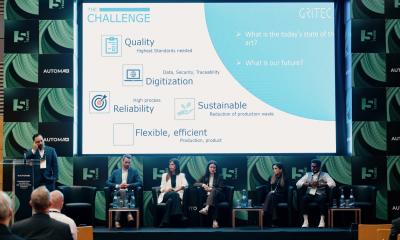
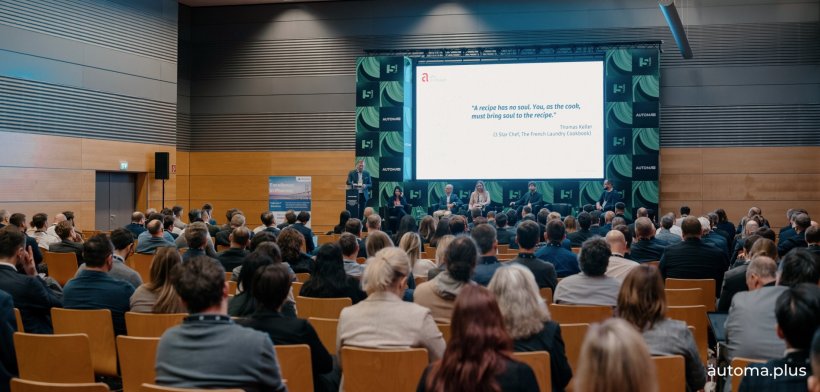
These industry challenges form part of the Executive Opening Panel at AUTOMA+ 2026, a closed-door business event taking place on 16-17 November 2026 in Zurich. During the Panel, Guillaume Carbonneau, VP Operational Data Insights at Novo Nordisk, presents approaches aimed at strengthening clinical decision-making through clinical ontologies, digital twins and AI-driven data environments.
Carbonneau’s work focuses on structuring research datasets to improve consistency across studies and increase transparency across development programmes. The presentation references StudyHub, a platform connecting study design, clinical operations and portfolio oversight into a unified data ecosystem. The system generates data-driven insights and enables real-time collaboration across teams, milestones and geographies.
The panel addresses AI integration across pharmaceutical operations, including digital twin modelling and intelligent automation. Discussions also explore the interaction between human expertise and machine intelligence, as well as the use of AI agents to detect deviations in study performance and enable earlier escalation of operational risks. Recent industry developments demonstrate measurable progress in the adoption of AI-driven platforms across clinical workflows. In the UK, the implementation of AI-enabled digital systems has reduced clinical trial approval timelines from 91 days to 41 days, illustrating how intelligent automation can directly accelerate trial initiation and reduce delays.
Carbonneau’s presentation is an entry point into the broader R&D digital transformation topics at AUTOMA+ 2026. More detailed discussions on R&D-specific challenges and solutions take place in Session 1, dedicated to drug discovery and development, laboratory automation and robotics, clinical trials and related innovation areas. This session focuses on practical implementation approaches, automation strategies and data-driven innovation within research and laboratory environments.
The Congress brings together pharmaceutical companies, technology providers and research organisations sharing implementation experience in data integration, automation strategies and AI adoption within regulated pharmaceutical settings. The list of participants for this year includes GSK, Takeda, Novartis, Roche, Johnson & Johnson, SCARLETRED Holding GmbH, WHO and many others.
AUTOMA+ 2026 provides access to applied industry use cases demonstrating how data intelligence platforms improve study execution, support evidence-based portfolio prioritisation and strengthen alignment between clinical development, manufacturing and commercial operations.
Explore the full agenda and R&D-focused sessions here.
Source: BGS Group
21.04.2026