

News • Study evaluates effect on patient recovery
Anaesthesia: TIVA or inhalation for major surgery?
Study results indicate that TIVA and inhalational anaesthesia are clinically and economically equivalent for adults having major non-cardiac surgery
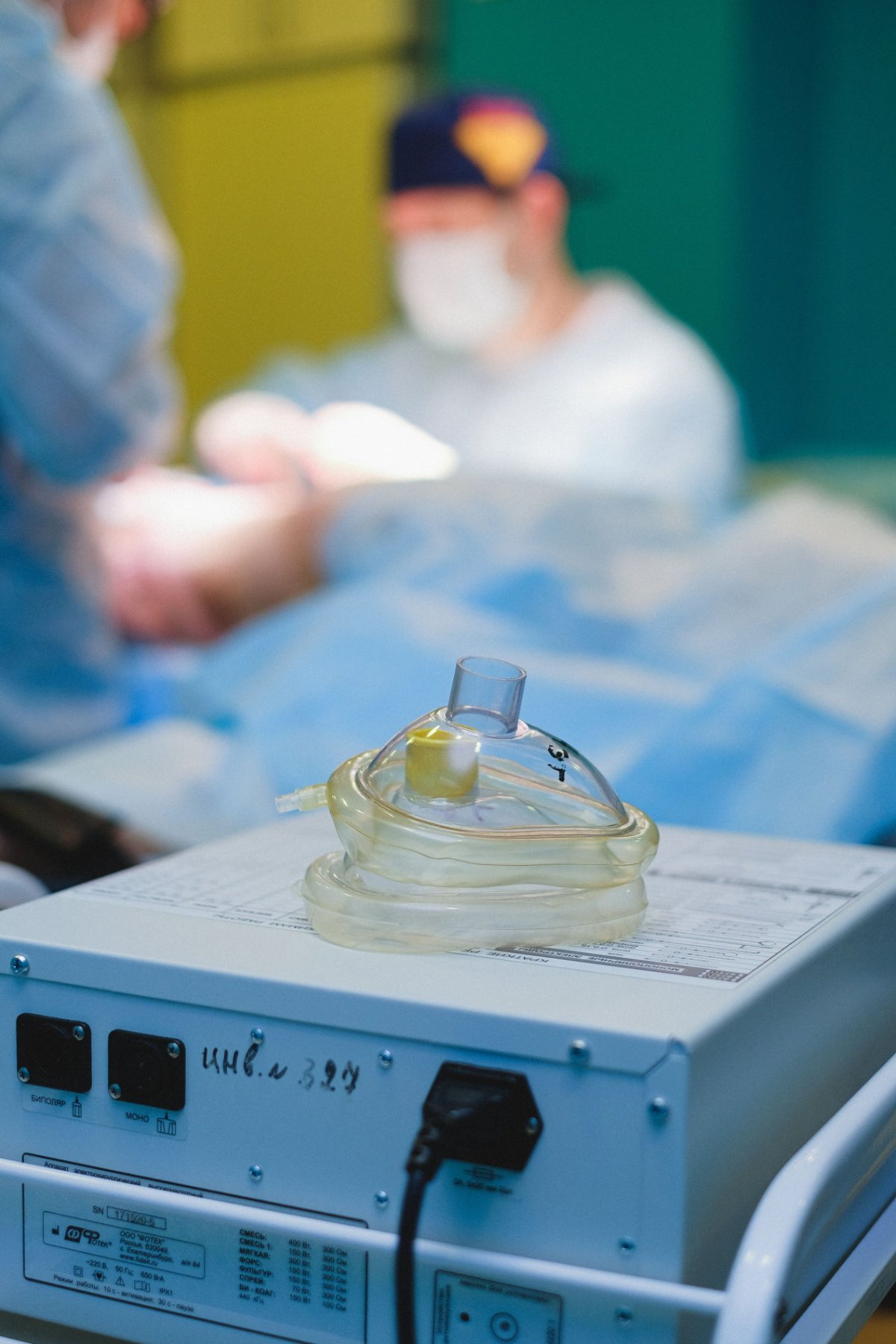
© Anna Shvets – pexels.com
Choice of general anaesthetic for major surgery can continue to be based on patient and clinician preference, according to the largest ever trial comparing the two main techniques used in the NHS.
The VITAL trial, led by the University of Warwick and The Royal Marsden NHS Foundational Trust involved 2,507 patients across 49 NHS hospitals, and compared total intravenous anaesthesia (TIVA), delivered through a continuous infusion of the drug propofol, with the more traditional method of using volatile anaesthetic gases, such as sevoflurane or isoflurane, inhaled through a mask during surgery. The findings are published in the journal JAMA.
Both approaches are used routinely to keep patients unconscious during the more than 1.5 million major non-cardiac operations carried out in the UK each year. Some anaesthetists have argued that TIVA offers a smoother recovery, with less sickness and pain, while others have pointed to rare risks such as a patient briefly regaining awareness during surgery. Until now, no large-scale UK trial had settled which technique, if either, was better for patients or the health service.
[The trial results are] reassuring for patients, and it means doctors can keep making that decision based on what's right for the person in front of them, not on pressure to switch to a newer or supposedly superior technique
Joyce Yeung
Patients aged 50 and over undergoing major planned surgery were randomly allocated to receive either TIVA or inhalational anaesthesia for major planned operations. The results found no meaningful difference between the two groups in the number of days patients were alive and out of hospital 30 days after surgery, the trial's main measure of recovery.
Rates of major complications, delirium and death at 30 days, 90 days and six months were also similar between the groups. However, patients who received TIVA reported lower rates of thirst, hoarseness, nausea and vomiting on the day after their operation, suggesting a modest improvement in early postoperative recovery and comfort.
A separate economic evaluation, published in the journal Anaesthesia, found the two techniques cost the NHS a similar amount and delivered similar quality of life for patients over a six-month period.
Together, the two studies indicate that TIVA and inhalational anaesthesia are clinically and economically equivalent for adults having major non-cardiac surgery. The research team says this supports continuing to let clinicians choose the technique best suited to individual patients, based on factors such as patient preference, clinical expertise and what is available locally, rather than mandating a single approach across the NHS.
Professor Joyce Yeung of Warwick Clinical Trials Unit and chief investigator of the VITAL trial, said: "For years, anaesthetists have debated which technique gives patients the best start to their recovery. What our trial shows is that, for most patients having major surgery, the two methods are equally viable. That's reassuring for patients, and it means doctors can keep making that decision based on what's right for the person in front of them, not on pressure to switch to a newer or supposedly superior technique."
The researchers note some limitations: the trial was not blinded, which could affect patient-reported outcomes such as pain and nausea; participants were all treated within the NHS, so findings may not transfer directly to other health systems; and the study did not examine longer-term cancer outcomes or the environmental impact of the different techniques, an area of growing interest given that volatile anaesthetic gases are potent greenhouse gases.
Source: University of Warwick
19.10.2026