|
|
When is a metallic implant safe for MRI – and when is it not? Even for specialists, the safety guidelines can be confusing. This issue explores how modern implant design and evolving standards have reshaped MRI safety protocols, addressing persistent misconceptions about contraindications. Further topics include the challenges of MDR and IVDR implementation in Europe, a study tracking surgeons' stress during robotic procedures, and new research on Alzheimer's biomarkers differing across populations. Enjoy reading!
|
|
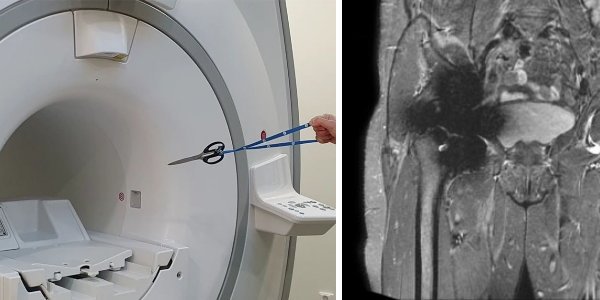 |
Article • Risks, conditions, and safe practice
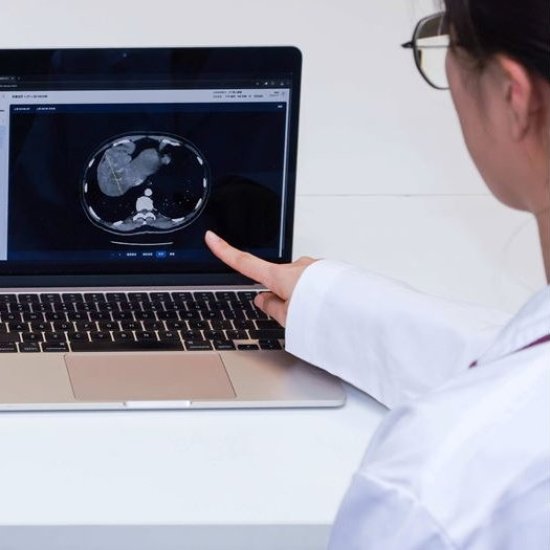
From tissue heating to image artifacts – implants were once considered an absolute contraindication to MRI. Modern implant design and evolving safety standards have changed that picture considerably – yet misconceptions persist, even among ... |
Article • The future of the EU Medical Device Regulation
Perfectly viable medical devices disappearing from the European market, manufacturers walking away from the EU rather than navigating regulatory demands, patients losing access to products with long, well-documented safety records. The ... |
|
Advertisement
 |
|
News • Multimodal physiological monitoring
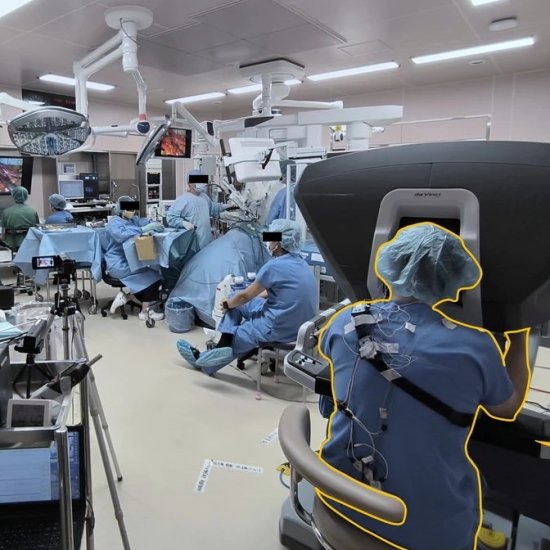
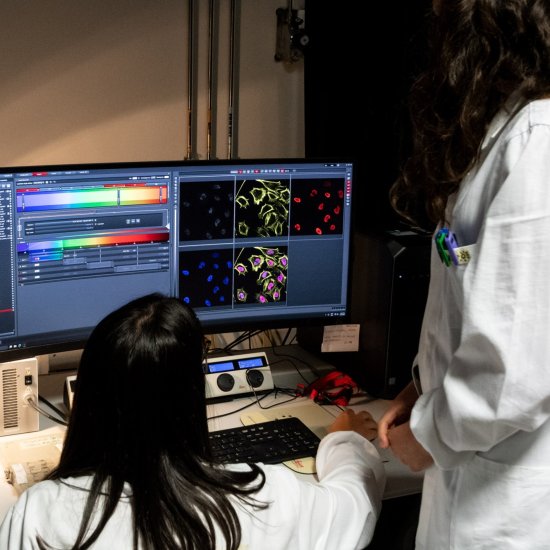
How does performing robotic surgery exact stress on surgeons? A new study monitored brain, muscle, and heart activity to improve surgical training, operating-room design, and surgeon well-being. |
|
News • Skilled professionals
What keeps experienced nurses from leaving their jobs? A new study suggests that improving the work environment should be a central part of efforts to keep experienced staff alongside wider measures. |
|
News • Plasma proteomic profiles
Blood tests yield vital information about Alzheimer’s disease. However, new research suggests that relevant biomarkers may differ significantly across patient populations. |
|
News • Multimodal photoplethysmography sensor
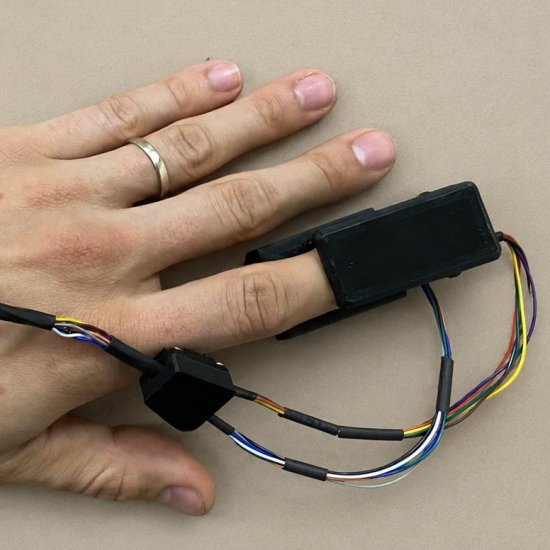
Pulse oximeters may dangerously misread blood oxygen levels, depending on the skin color. A new system aims to fix this, accurately measuring vital signs across a broad range of skin tones. |
|
News • Skin-like optical phantom
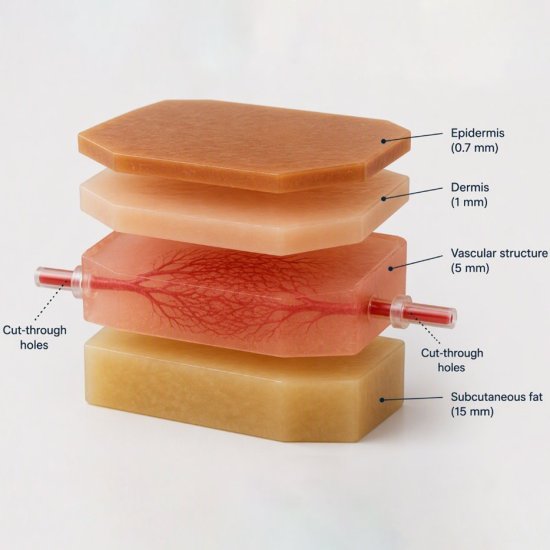
Researchers have developed realistic skin-mimicking models that could help improve the accuracy of optical medical devices and wearable sensors across a wider range of skin tones. |
|
News • Implementation assessment
“Martha’s Rule” is designed to give patients and families the opportunity to report concerns during hospital stay. Five years after its introduction, a study evaluates the benefits. |
|
News • Molecular psychiatry
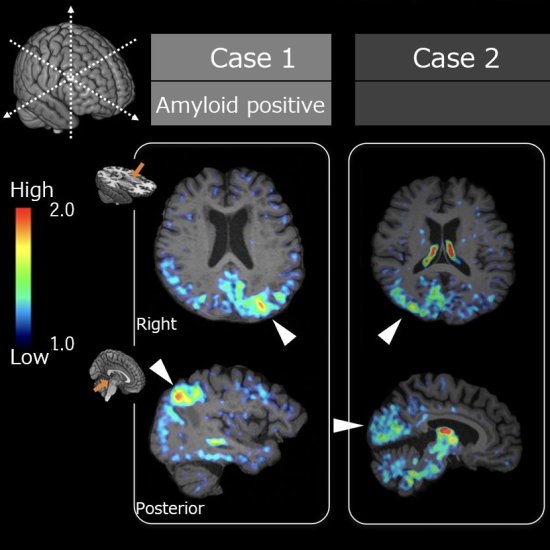
The cause of hallucinations and delusions that start in midlife or later is often unclear. In a new study, PET/MR scans reveal that these symptoms may be linked to brain changes also seen in dementia. |
|
News • Anxiety and depression medication
A large Danish study shows that women with endometriosis use more anxiety and depression medication than others – as early as ten years before they receive their diagnosis. |
|
News • Neuroscience
Researchers identified a possible biomarker linked to severe suicidal thoughts. It may also help explain why some people recover, opening a new path for research into resilience and prevention. |
|
News • NSCLC immunotherapy response prediction
On the way to a patient's “digital twin”: A novel, AI-powered virtual patient simulation system integrating multimodal data is designed to advance personalised cancer treatment. |
|
News • Deep visual multi-omics profiling
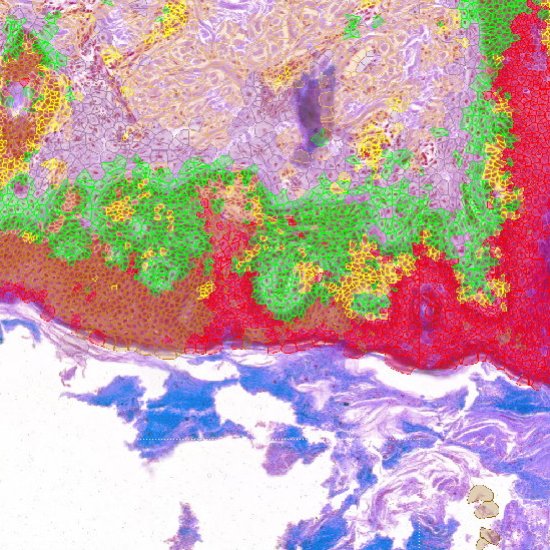
Digital pathology and spatial omics could enable researchers to see how a tumor's different cell populations function, opening new perspectives for precision cancer therapy. |
|
News • Impact of climate change
Researchers warn that droughts could make humans and wildlife more vulnerable to certain infectious diseases, leading to surges in illnesses like cholera and West Nile virus around the world. |
|
News • Study explores conformational plasticity
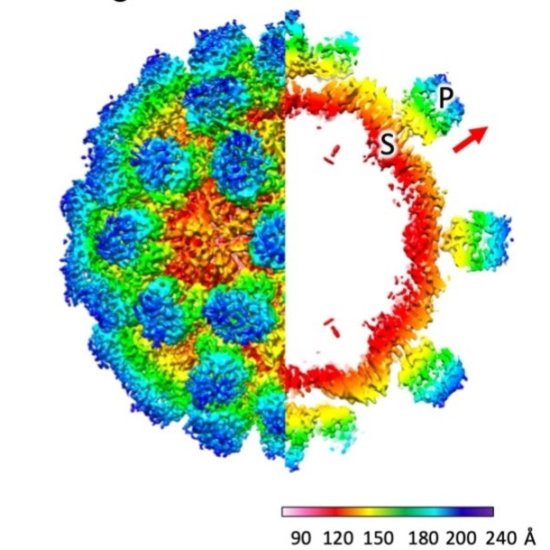
The human norovirus is the leading cause of acute gastroenteritis worldwide, infecting 600–700 million people each year. A new study could help explain the high infectivity of the virus. |
|
News • Research explores key role of chromatin
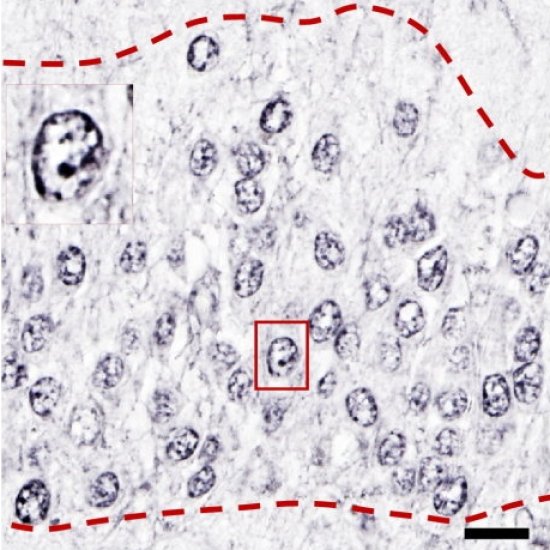
New research has identified a previously unknown mechanism of Kabuki syndrome, a rare genetic disorder. The discovery could open new therapeutic perspectives. |
|
Events
|
|
|
|
|
|
|
| |
You are receiving this email because you subscribed to our newsletter on healthcare-in-europe If you don’t want to receive this newsletter anymore, click here to unsubscribe.
Keep up-to-date on the latest news from all hospital-related fields!
Subscribe to our bi-monthly newsletter. Copyright © 2026 mgo fachverlage GmbH & Co. KG.
All rights reserved. E.-C.-Baumann-Straße 5, 95326 Kulmbach, Germany
email: newsletter@european-hospital.com |
|



|
|