|
|
Agentic AI shows promise as the next technological milestone in healthcare, with potential to advance pathology workflows and clinical decision-making. New research addresses long-term Covid-19 consequences through new blood biomarkers for persistent lung damage and imaging to reveal the causes of 'brain fog' in Long Covid patients. Meanwhile, diagnostic imaging advances with mobile MRI scanners enabling bedside diagnostics and innovative reusable gel pads replacing conventional ultrasound coupling agents for enhanced patient comfort. Enjoy reading!
|
|
 |
Article • From observation to action
Computational pathology is becoming increasingly important in helping deliver precision medicine to a wider range of patients. Experts at the 37th European Congress of Pathology in Vienna discussed how algorithms can optimise laboratory workflows, ... |
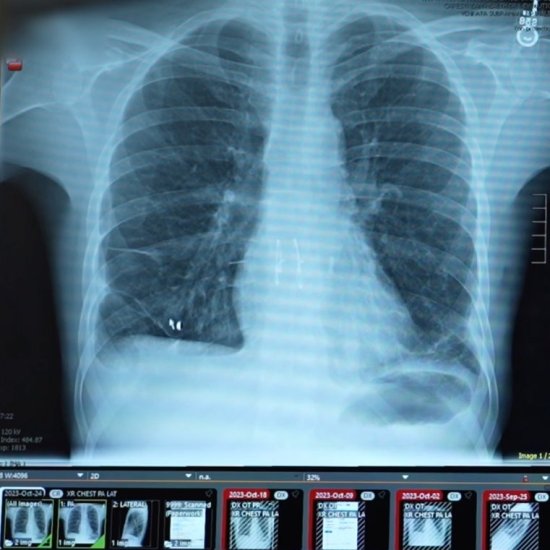
News • Residual lung abnormality
A new study into the long-term health impacts of coronavirus has found changes in the blood after Covid-19 that might pinpoint patients at risk of ongoing lung disease. |
|
News • Altered brain connection
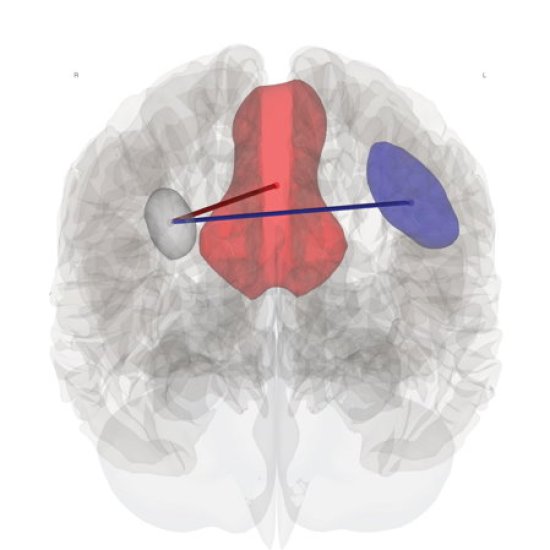
Brain fog explained: People with ME/CFS and long Covid experience a disruption to their brain connectivity during a mentally demanding task, new research finds. |
|
News • Chronic neurological disorder
Researchers report on decisive steps towards an early diagnosis of Parkinson’s disease: a newly discovered biomarker in the blood could open a window of opportunity for future treatment. |
|
News • Plasmid-specific ecological adaptation
Researchers have uncovered how a high-risk class of genetic vectors can efficiently spread antibiotic resistance within the gut, enabling even highly virulent bacteria to acquire drug resistance. |
|
News • Two tracers, one target
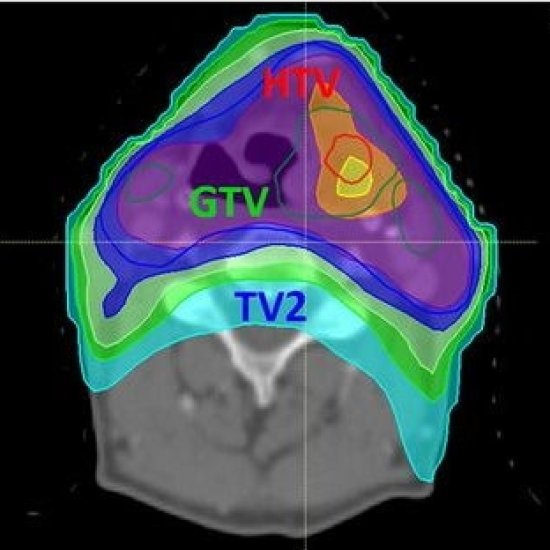
Beyond "one-size-fits-all": A new strategy that combines two types of PET scans can guide personalized radiotherapy for head and neck cancers, according to new research. |
|
Article • Low-field imaging from Shanghai: engineering portable precision
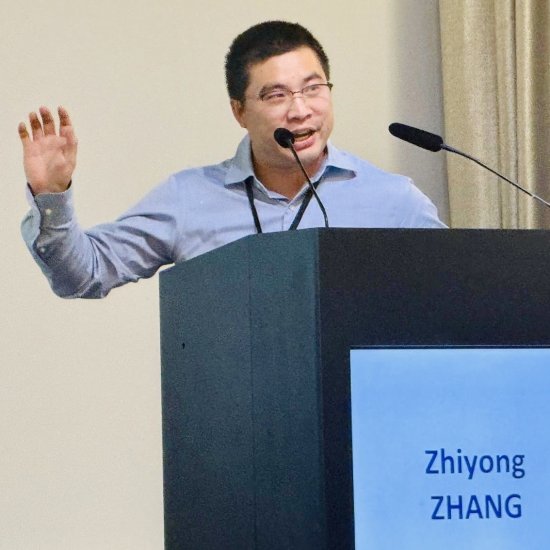
Can a full MRI scanner be shrunk to fit through a hospital door, moved by hand, and still produce diagnostic images – including 3D and DWI sequences? At the ESMRMB 2025 Congress in Marseille, Zhiyong Zhang, researcher at Shanghai Jiao Tong ... |
|
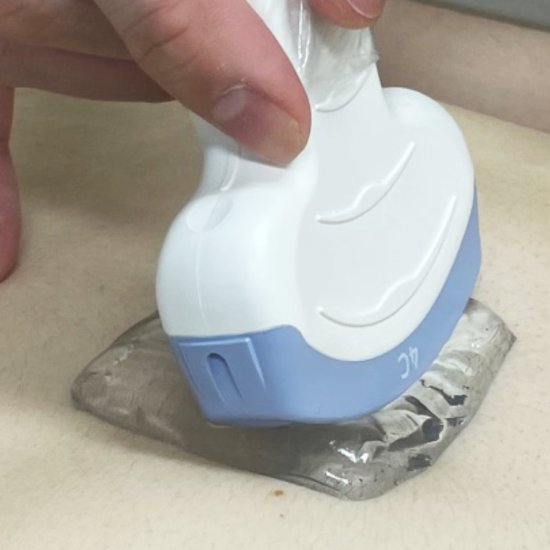
News • Reusable and natural alternative
Rethinking ultrasound gel: To reduce patient discomfort during sonography exams, researchers from Japan propose a natural, reusable solid pad for clearer, more comfortable imaging. |
|
Article • From promise to practice
The promise of AI in healthcare is enormous – however, most who have actually worked with today's models will agree that the technology is not quite there yet. At MEDICA, a panel of AI experts and healthcare leaders tackled a fundamental ... |
|
News • PRO in oncology
Integrating the patient’s voice: A new study shows access to patient-reported outcome (PRO) data improves the consistency of the evaluation of treatment-related side effects in patients with cancer. |
|
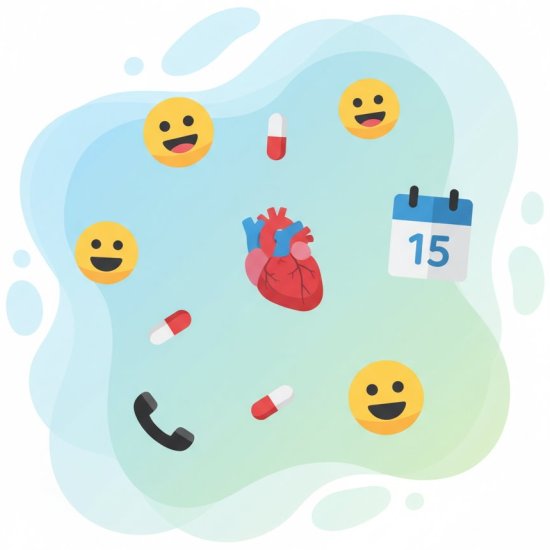
News • Increased use in EHR and patient messaging
☺️💊📞: Emojis are increasingly used in patient communication, a new study finds. This can help build trust and emphasize critical information, but may also lead to misunderstanding. |
|
News • Potential life-saving bridge
Surviving without lungs for 48 hours: Surgeons describe how they removed a patient’s infected lungs and built “artificial lungs” to keep him alive until a double lung transplant was available. |
|
Article • The 2025 Kraft Prize for Excellence and Innovation in Community Health
The Kraft Center for Community Health has launched a new prize to recognise organisations using technology to transform healthcare access for underserved populations. At the 2025 World Medical Innovation Forum in Boston, ThriveLink – an AI-powered ... |
|
News • Maternal health
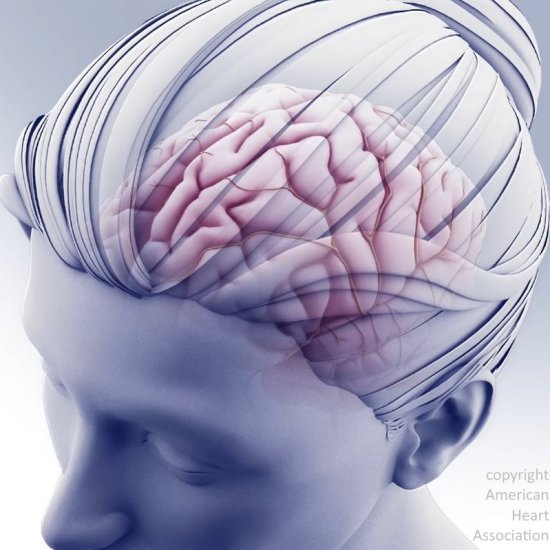
Women who had a stroke caused by blocked blood vessels (ischemic stroke) are twice as likely to have another stroke during pregnancy and within six weeks of childbirth, according to a new study. |
|
Events
|
|
|
|
|
| |
You are receiving this email because you subscribed to our newsletter on healthcare-in-europe If you don’t want to receive this newsletter anymore, click here to unsubscribe.
Keep up-to-date on the latest news from all hospital-related fields!
Subscribe to our bi-monthly newsletter. Copyright © 2026 mgo fachverlage GmbH & Co. KG.
All rights reserved. E.-C.-Baumann-Straße 5, 95326 Kulmbach, Germany
email: newsletter@european-hospital.com |
|



|
|