|
|
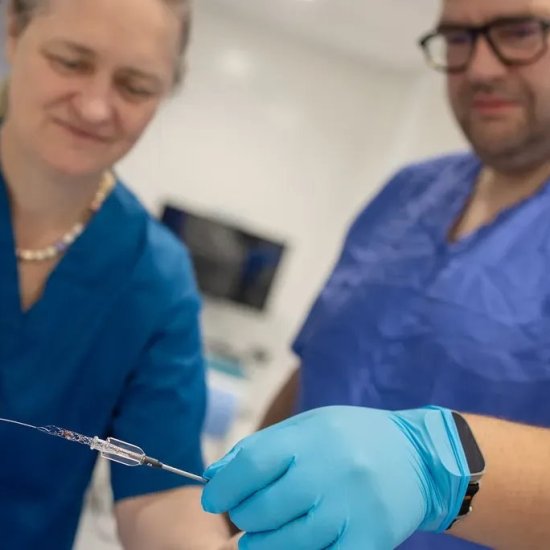
Medical AI demonstrates expanding capabilities in clinical radiology, from acting as a second reader in breast cancer screening workflows to detecting labeling errors in large radiographic collections. Gene-editing technologies show great potential for treating rare genetic diseases, with collaborative efforts speeding up development timelines. Stroke treatment also advances on multiple fronts, with mobile stroke units preventing unnecessary emergency admissions and injectable nanomaterials protecting brain tissue during the critical post-reperfusion window. Enjoy reading!
|
|
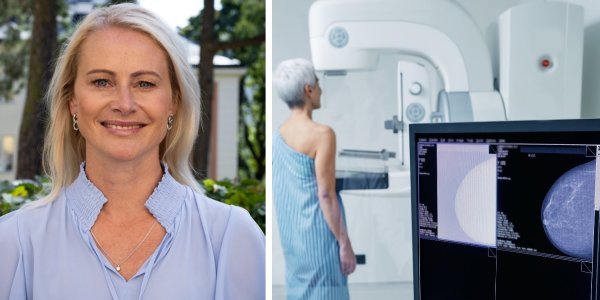 |
Article • Implementation of clinical artificial intelligence
When radiologists at Stockholm's Capio Sankt Görans Hospital began working evenings and weekends to clear mounting backlogs, it became clear that something had to change. The solution? Replacing one of the two radiologists traditionally ... |
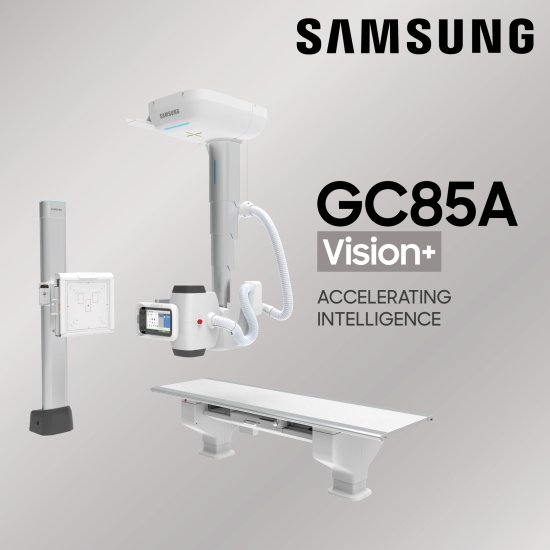
Sponsored • GC85A Vision+
In today’s radiology environment, speed alone is not enough. What truly matters is intelligent workflow, diagnostic confidence and consistent performance even under pressure. Samsung’s GC85A Vision+ is designed exactly for that reality. |
|
Video • Sponsored
While digital health remains fragmented across much of Europe, one EU member state has already connected its system end to end – and continues to push the boundaries. |
|
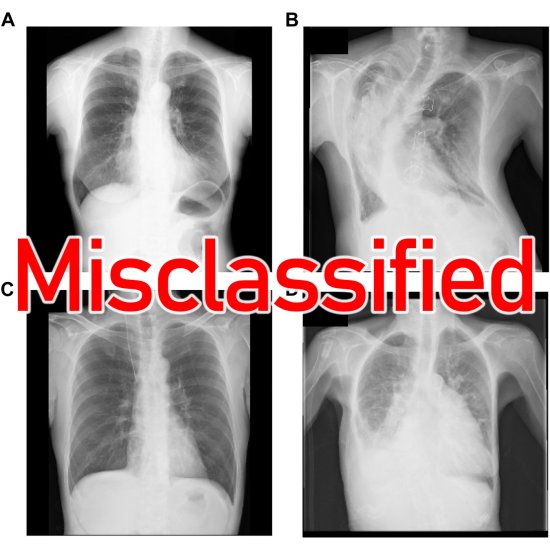
News • Critical check for deep learning models
Researchers at Osaka Metropolitan University have discovered a practical way to detect and fix common AI labeling errors in large collections of radiology images. |
|
Article • Personalised medicine
Gene-editing technologies show great promise for medical treatments and research, with the potential to cure thousands of genetic diseases. At the 2025 World Medical Innovation Forum in Boston, leading experts explored the possibilities and ... |
|
News • Intragenic complementation
Scientists have overturned a long-held belief in genetics: that inheriting two harmful variants in the same gene always worsens disease. Instead, this can actually restore normal protein function. |
|
Article • Hospital hygiene
With antimicrobial resistance causing over 5 million deaths annually, rapid outbreak detection is critical. A German lab demonstrates how FTIR spectroscopy can transform hospital infection control. |
|
News • Remote sampling
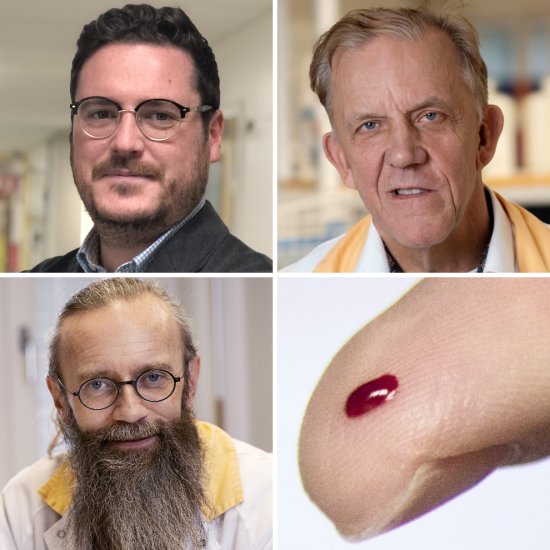
An international study shows that Alzheimer’s disease biomarkers can be accurately detected using simple finger-prick blood samples that can be collected at home and mailed to a laboratory. |
|
News • Acellular dermal matrix for breast reconstruction
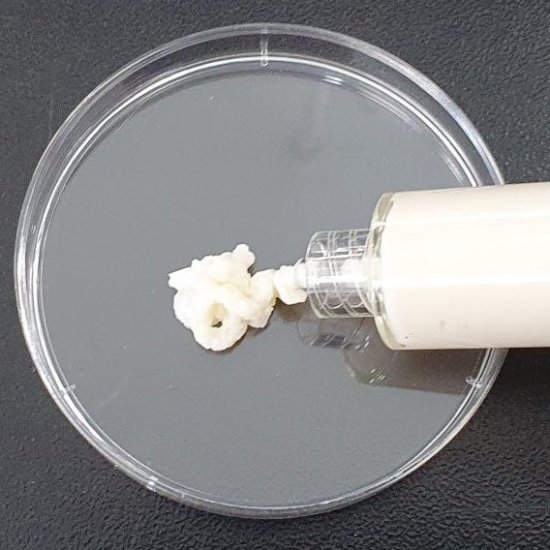
Researchers have developed a prototype injectable paste that could help restore breast volume after tumor removal, with less scarring and shorter healing time than current options. |
|
News • Dynamic supramolecular peptide therapy
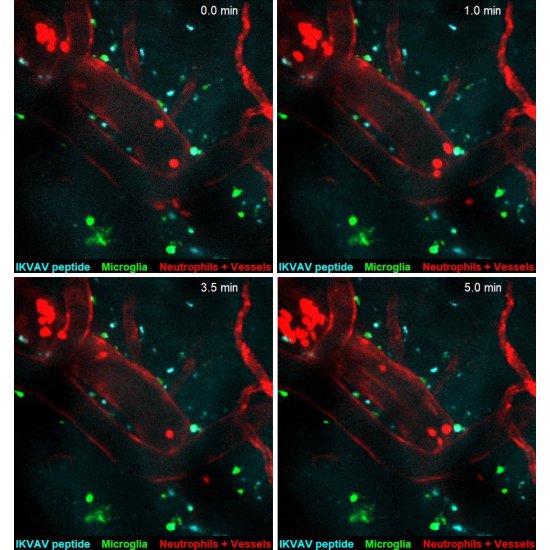
Scientists from Northwestern University have developed an injectable regenerative nanomaterial that helps protect the brain during the vulnerable window after a stroke. |
|
News • Prevention of unnecessary emergency admissions
Mobile Stroke Units, equipped with a CT scanner, point-of-care laboratory, and communications capabilities, could reduce unnecessary emergency department transfers by 86%, a new study finds. |
|
News • 'Islands of consciousness' in ICU patients
To better diagnose patients who appear unconscious in ICUs, and predict their recovery potential, researchers developed a tool that integrates multiple modalities for analyzing consciousness. |
|
|
|
| |
You are receiving this email because you subscribed to our newsletter on healthcare-in-europe If you don’t want to receive this newsletter anymore, click here to unsubscribe.
Keep up-to-date on the latest news from all hospital-related fields!
Subscribe to our bi-monthly newsletter. Copyright © 2026 mgo fachverlage GmbH & Co. KG.
All rights reserved. E.-C.-Baumann-Straße 5, 95326 Kulmbach, Germany
email: newsletter@european-hospital.com |
|



|
|