|
|
Welcome to Munich! Over the next four days, heart health experts gather to explore the latest advances in cardiology. In this newsletter special, we cover how diagnostic imaging can support Europe's Safe Hearts Plan, shifting cardiovascular care from reactive treatment to proactive prevention at a continental scale. Additional topics include heart valve organoids advancing cardiac research, and tailored rehabilitation programmes addressing gender disparities in heart care. In line with the ESC 2026 spotlight theme, we also take a look at how AI can enhance cardiac MRI with full-cycle imaging and label-free interpretation, as well as support point-of-care diagnostics. Enjoy reading!
|
|
 |
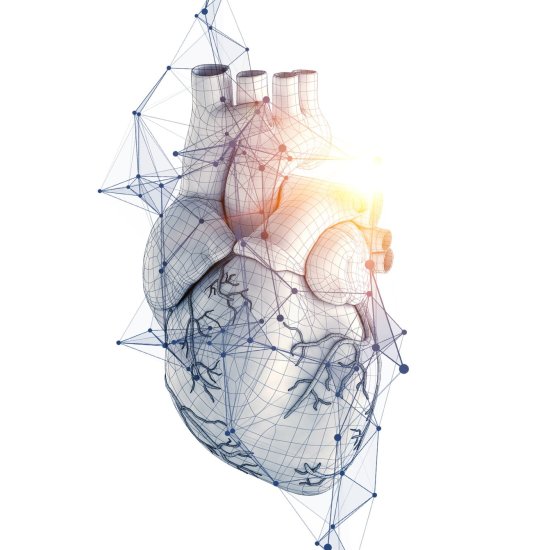
Article • Cardiovascular care at a continental scale
Cardiovascular disease remains the leading cause of death across the EU, cutting short the lives of millions of Europeans every year, and placing an enormous strain on health systems and economies alike. Yet prevention and early intervention can ... |
Sponsored • Digital Health
Accurately diagnosing heart failure, aortic stenosis, mitral regurgitation, hypertrophic cardiomyopathy and many other conditions has never been more complex. Simultaneously, cardiologists are still expected to see more patients in less time. A ... |
|
News • Cardiovascular effects of bronchodilators
Overuse of reliever inhalers is associated with higher risks of developing and dying from cardiovascular disease in asthma and COPD patients, according to a new study. |
|
News • iPSC-derived assembloids
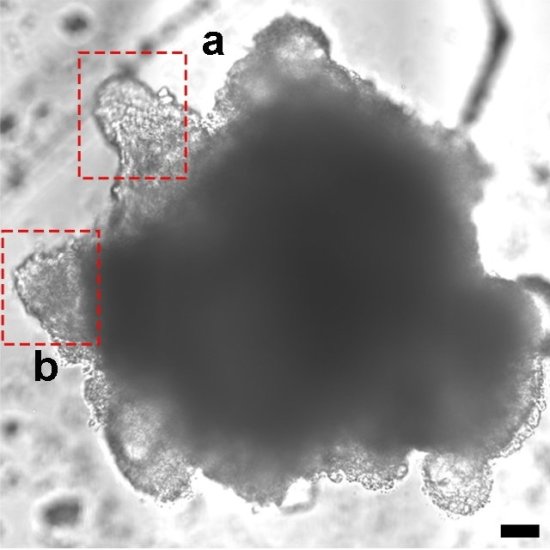
In a first for the field, a team has grown heart valves on organoids. This work is an important step toward better understanding—and treating—a number of serious heart disorders. |
|
News • Addressing gender disparities
A cardiac rehabilitation programme tailored especially to women could help address specific needs of female patients with conditions such as heart failure, arrhythmia or after cardiothoracic surgery. |
|
News • Anti-inflammatory treatment
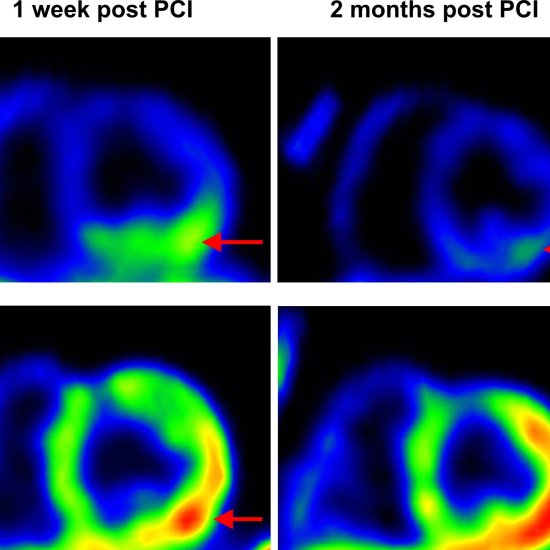
After a heart attack, a new type of treatment, administered directly into the damaged blood vessel, stimulates healing. This could help prevent heart failure due to scarring, the researchers say. |
|
News • Continuous heart rhythm monitoring
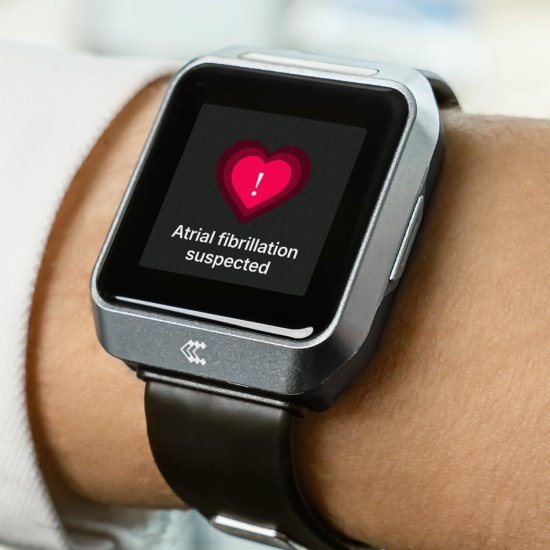
Some arrhythmias, particularly short episodes of atrial fibrillation, may go unnoticed until they cause serious health problems. Novel wearable technology aims to pick up on these hidden signs. |
|
News • Medical computer models
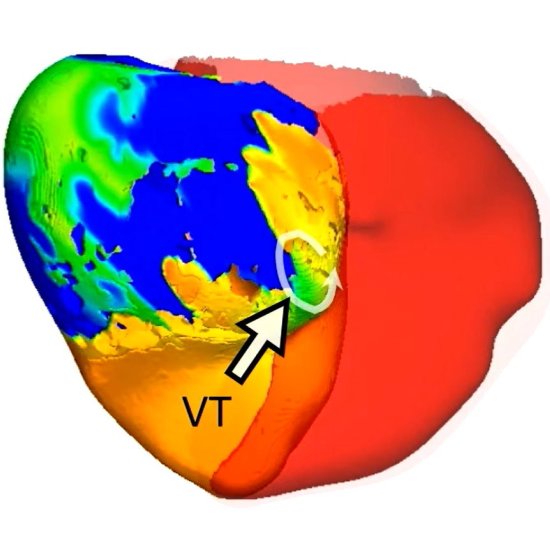
Working with “digital twins” of patients’ hearts, doctors improved cardiac ablation outcomes for patients with life-threatening arrythmias. In the first clinical trials for cardiac digital twins technology, researchers at Johns Hopkins ... |
|
News • Side-effects of cancer care
A new survey highlights major gaps in cardio-oncology training, despite its increasing clinical importance for prevention and early management of cardiovascular complications in patients with cancer. |
|
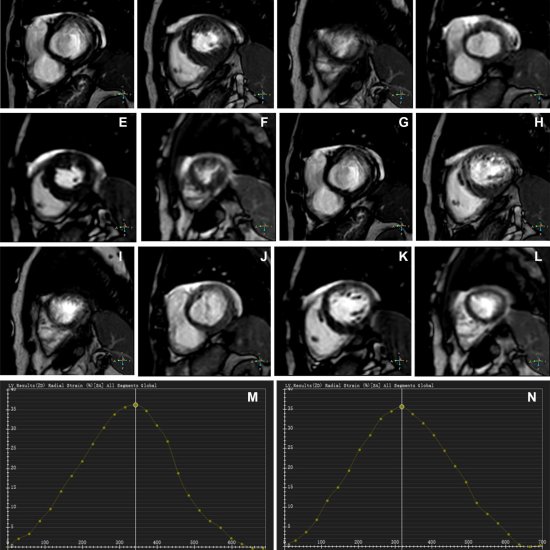
News • Heart failure diagnostics
Imaging left ventricular function is challenging for patients who cannot hold their breath for long. A new AI-enhanced MRI technique captures the entire cardiac cycle in a single shot. |
|
News • Dynamic chest radiography
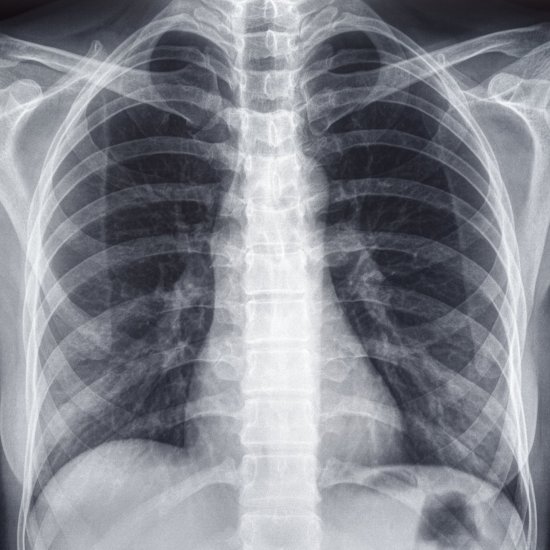
Researchers developed a simple, rapid, and low-dose X-ray technique to evaluate the severity of pulmonary valve regurgitation – a common complication after surgical repair of Tetralogy of Fallot. |
|
News • Congenital heart condition
Researchers have produced the first 3D map of the heart’s electrical wiring in Tetralogy of Fallot, revealing features that may explain why many patients develop heart conduction disorders. |
|
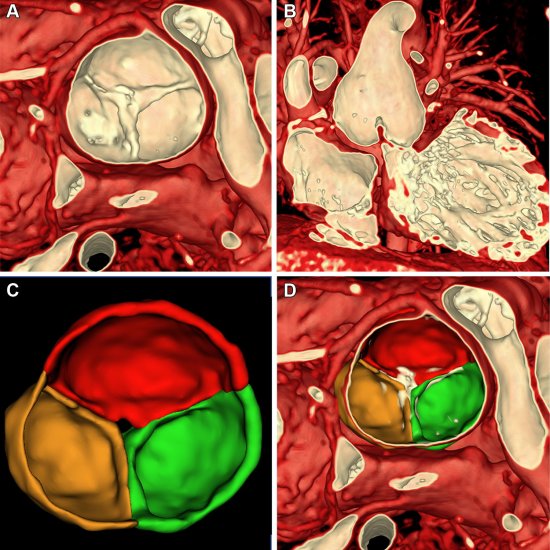
News • 3D/4D visualization method
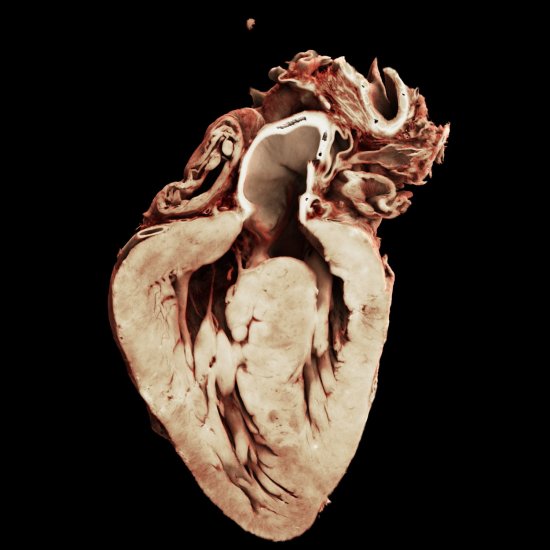
Researchers have developed 3D volume rendering methods for cardiac MRI that display complex structures within the heart and show blood flow. This can guide treatment decisions in pediatric patients. |
|
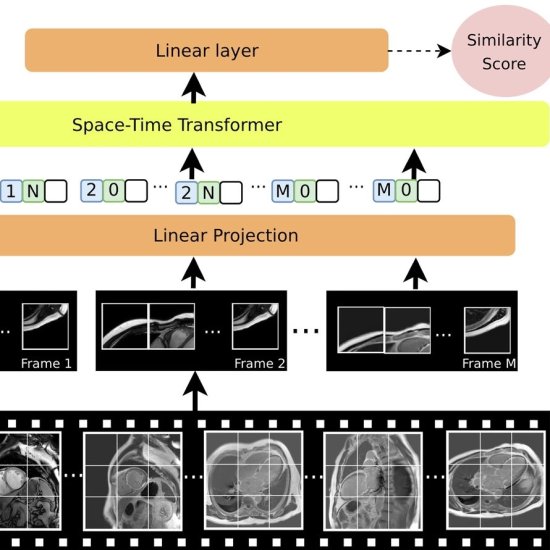
News • Contrastive language image pretraining
A team of researchers has developed an AI system capable of interpreting some of the most complex heart scans in medicine, cardiac MRI, without the need for manually labeled training data. |
|
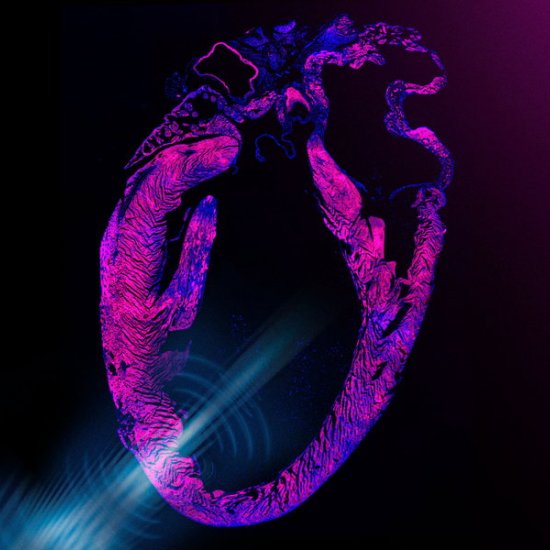
News • Sticker health
Engineers have developed a noninvasive pacemaker that stimulates the heart using ultrasound. The design could one day provide a surgery-free alternative to traditional cardiac implants. |
|
News • Digital tool for point-of-care screening
An AI-assisted stethoscope could help doctors identify patients with valvular heart disease who may otherwise go undiagnosed. This could reduce hospital admissions and overall healthcare costs. |
|
Event
|
|
|
|
|
|
|
|
|
|
|
|
|
| |
You are receiving this email because you subscribed to our newsletter on healthcare-in-europe If you don’t want to receive this newsletter anymore, click here to unsubscribe.
Keep up-to-date on the latest news from all hospital-related fields!
Subscribe to our bi-monthly newsletter. Copyright © 2026 mgo fachverlage GmbH & Co. KG.
All rights reserved. E.-C.-Baumann-Straße 5, 95326 Kulmbach, Germany
email: newsletter@european-hospital.com |
|



|
|